Connect with us

Entertainment

Jett Travolta: Life, Legacy, and the Tragic Loss of a Star’s Son

Published

on

Jett Travolta

Jett Travolta: The Life, Legacy, and Tragic Loss of John Travolta’s Beloved Son

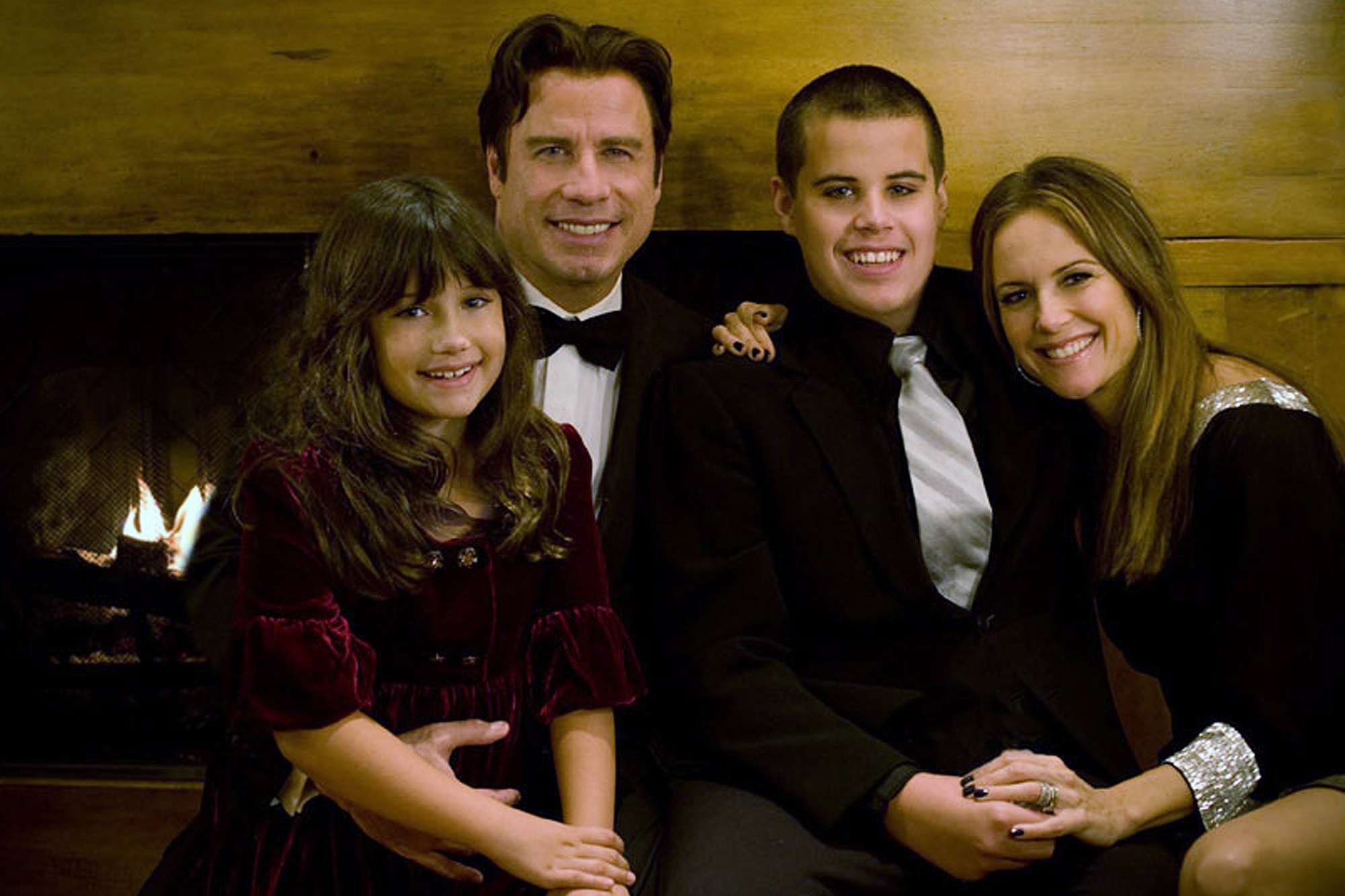
The name Jett Travolta evokes both cherished memories and profound sadness for fans of John Travolta and his family. As the eldest son of Hollywood icon John Travolta and actress Kelly Preston, Jett’s life was marked by love, challenges, and an untimely, heartbreaking end. Although his life was tragically short, the impact he had on his family and the public’s understanding of neurological disorders continues to be significant.

In this comprehensive exploration, we delve into Jett Travolta’s life, the circumstances surrounding his condition, the tragedy that shook the Travolta family, and the lasting legacy he left behind.

Early Life of Jett Travolta

Born on April 13, 1992, Jett Travolta was the first child of John Travolta and Kelly Preston. His arrival brought immense joy to the celebrity couple, who often spoke fondly of their son in interviews. Growing up, Jett enjoyed the privileges of a high-profile lifestyle but was largely kept away from the public eye to maintain his privacy and well-being.

From an early age, Jett exhibited developmental challenges that his parents publicly acknowledged later in his life. His father, John Travolta, confirmed that Jett had autism, a condition marked by differences in social interaction, communication, and repetitive behaviors. This admission, however, came after years of speculation fueled by the public and media, reflecting the stigma that often surrounded neurological disorders at the time.

Jett Travolta’s Health Struggles

Jett’s health was a constant concern for his family. Alongside his autism diagnosis, Jett suffered from Kawasaki disease, a rare condition that primarily affects young children and can lead to inflammation of the blood vessels. The disease had severe implications for his overall health and was accompanied by frequent seizures, which later played a tragic role in his death.

Kelly Preston once shared in interviews that her son was severely affected by environmental toxins and chemicals, contributing to his health complications. She emphasized the family’s dedication to providing a safe and healthy environment for Jett, including special diets and medical care tailored to his needs.

Despite his challenges, those who knew Jett described him as a sweet and loving child. He was known for his deep affection for his family and his love of the outdoors, particularly activities like swimming and spending time in nature.

The Tragic Death of Jett Travolta

The world was struck by sorrow when news broke of Jett Travolta’s sudden death on January 2, 2009. The tragedy occurred while the Travolta family was vacationing in the Bahamas. Jett suffered a fatal seizure in the bathroom of their hotel residence at the Old Bahama Bay Hotel on Grand Bahama Island.

At just 16 years old, Jett collapsed and hit his head on a bathtub, leading to a fatal injury. His caretaker found him unresponsive, and despite immediate attempts to revive him, Jett was pronounced dead shortly afterward. The news sent shockwaves not only through Hollywood but across the globe, as millions mourned the loss of a young life cut short.

The Family’s Heartbreaking Response

John Travolta and Kelly Preston issued heartfelt statements following the death of their beloved son. In a message to the public, they expressed their immense grief and gratitude for the support they received worldwide. John later described the loss of Jett as “the worst thing that’s ever happened in my life,” underlining the depth of his sorrow.

The tragedy brought the family closer together. John Travolta took a significant hiatus from his acting career to focus on his family and healing process. Kelly Preston also stepped away from the spotlight for some time, prioritizing personal healing and family bonding.

The family, especially John Travolta, has since been open about the enduring pain of losing a child. Travolta has spoken in various interviews about the emotional void left by Jett’s absence and the importance of cherishing every moment with loved ones.

The Impact of Jett Travolta’s Death on Autism Awareness

What Really Happened To Jett: 15 Things The Travolta Family Is Hiding

Jett Travolta’s life and death inadvertently contributed to a broader dialogue on autism and neurological disorders. At the time of his passing, public understanding of autism was still limited, and societal stigmas often surrounded families dealing with the condition.

Following his death, John Travolta publicly acknowledged Jett’s autism diagnosis, helping shed light on the condition. The Travolta family’s openness allowed for greater empathy and understanding towards families coping with autism and related health challenges.

Many advocacy groups and autism organizations praised the Travoltas for their courage in sharing their son’s story, emphasizing the need for more research, resources, and public education surrounding autism spectrum disorders.

Charitable Efforts in Jett’s Memory

In honor of their son, John Travolta and Kelly Preston established the Jett Travolta Foundation, a charity dedicated to supporting children with special needs. The foundation provides financial assistance to organizations and initiatives focused on education, healthcare, and other essential services for children with developmental disorders.

The foundation’s mission is not only to commemorate Jett’s memory but also to help families facing similar struggles. Through their charitable work, the Travoltas have kept Jett’s spirit alive, ensuring that his legacy continues to make a difference in the lives of others.

Jett Travolta’s Relationship with His Family

Though his life was short, Jett Travolta shared a deep and loving bond with his family. Both John Travolta and Kelly Preston often spoke about the joy Jett brought into their lives despite the many challenges.

John Travolta, in particular, described Jett as his “everything.” In interviews, he expressed how Jett’s smile, laughter, and presence provided him with a unique and unconditional love that he cherished deeply.

The family dynamics were also strengthened by the presence of Jett’s younger sister, Ella Bleu Travolta, who adored her big brother. After Jett’s death, Ella Bleu expressed her feelings of loss publicly, describing her brother as “one of the most special people ever.”

Their youngest son, Benjamin, was born in 2010, less than two years after Jett’s passing. John Travolta and Kelly Preston saw Benjamin’s arrival as a blessing that helped them heal from the devastating loss of Jett. They openly acknowledged that Benjamin brought renewed purpose and joy into their lives.

The Lasting Legacy of Jett Travolta

Although Jett’s life was filled with health challenges, his legacy is one of love, resilience, and awareness. His story has had a lasting impact not only on his family but also on the broader community of individuals and families affected by autism and neurological disorders.

John Travolta’s openness in discussing his son’s condition and the profound loss they experienced has inspired many families to speak openly about their struggles. In doing so, the Travoltas contributed to reducing stigma and encouraging empathy for those facing similar hardships.

Media Portrayal and Public Interest

Jett Travolta’s life and tragic death attracted considerable media attention, not all of it positive. In the aftermath of his passing, there was rampant speculation and sensationalist coverage by various outlets. Some tabloids published invasive and misleading stories, causing further pain to the grieving family.

However, many respected publications and personalities showed compassion and respect for the Travolta family’s privacy, choosing instead to highlight Jett’s life and the family’s resilience. Over time, the narrative surrounding Jett shifted from tabloid fodder to a genuine story of love, loss, and advocacy.

Kelly Preston’s Passing and Its Connection to Jett

Tragedy struck the Travolta family again in 2020 when Kelly Preston died of breast cancer at the age of 57. Her death was another significant blow to the family, already scarred by Jett’s loss.

John Travolta’s tribute to his late wife was heartfelt, recognizing her strength, beauty, and devotion to their family. He mentioned that Kelly was now reunited with their beloved Jett, a sentiment that resonated deeply with fans who remembered the family’s earlier loss.

The loss of both Jett and Kelly shaped John Travolta’s life in profound ways, influencing his career choices, personal reflections, and public appearances. Yet, despite his grief, Travolta continues to express gratitude for the love he shared with his family.

Remembering Jett Travolta: A Life That Continues to Inspire

The story of Jett Travolta is not just a tale of tragedy but also one of love, resilience, and advocacy. His life, though brief, left a powerful imprint on his family, friends, and countless others who learned about his journey.

Through their openness and charitable efforts, the Travolta family has transformed their pain into a force for good. The Jett Travolta Foundation stands as a testament to Jett’s enduring impact, supporting children with special needs and advocating for greater understanding of developmental disorders.

In remembering Jett, we are reminded of the importance of empathy, the power of unconditional love, and the need to support those navigating similar challenges. His legacy continues to inspire conversations about autism, healthcare, and the strength of family bonds in the face of overwhelming loss.

Ultimately, Jett Travolta story is one of a cherished son whose memory lives on, not only in the hearts of his family but also in the many lives touched by his legacy.

Continue Reading
Click to comment

Leave a Reply

Your email address will not be published. Required fields are marked *

Entertainment

Cast of Gangs of London: Full Character Breakdown

Published

on

Cast of Gangs of London

Cast of Gangs of London: Full Character Breakdown

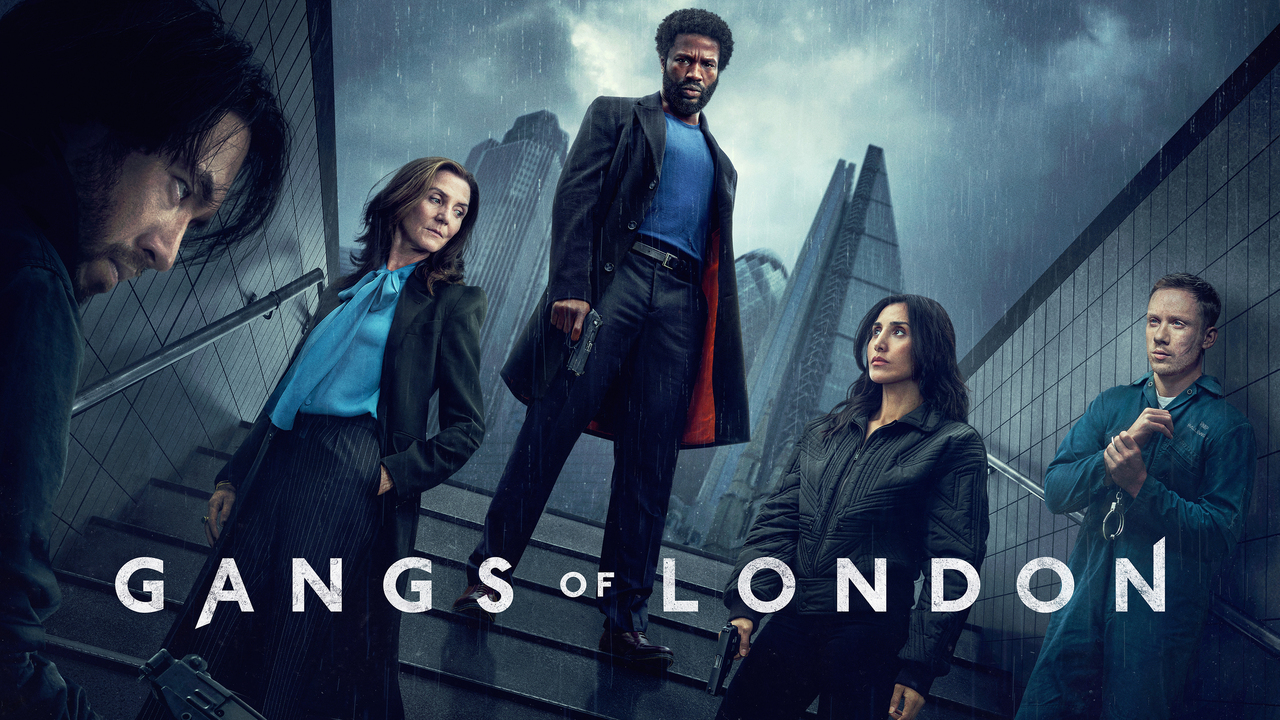
Few television shows have captured the raw intensity of urban crime like Gangs of London. Known for its gritty storytelling, dynamic action, and multi-layered characters, the series has quickly become a favorite among fans of crime dramas. But beyond the plot twists and high-octane action, the true heart of the series lies in its cast. Each actor brings depth, nuance, and a distinctive energy that transforms complex scripts into compelling television.

In this article, we provide a complete guide to the cast of Gangs of London, detailing the main characters, supporting players, and some of the behind-the-scenes stories that make this series stand out. Whether you’re a first-time viewer or a long-time fan, this character breakdown will deepen your appreciation for the show and the actors who bring it to life.

Overview of Gangs of London

Before diving into the cast, it’s important to understand the world these characters inhabit. Set against the backdrop of London’s criminal underworld, the series explores the power struggles, loyalties, and betrayals that shape the city’s most dangerous gangs.

Key Themes

  • Family, loyalty, and betrayal

  • Power struggles in the criminal hierarchy

  • Moral ambiguity and complex character motivations

  • Realistic depiction of urban crime and violence

This setting provides fertile ground for a diverse and talented cast to shine.

Main Cast Members

1. Finn Wallace – Played by Colm Meaney

Finn Wallace is the head of London’s most powerful criminal empire. Portrayed by Colm Meaney, Finn is both ruthless and strategic, balancing family loyalty with business acumen.

  • Role in Series: Crime lord and patriarch

  • Character Traits: Calculating, authoritative, and protective

  • Impact: Serves as the central pivot around which most storylines revolve

2. Sean Wallace – Played by Joe Cole

Sean Wallace is Finn’s son, whose impulsive actions create tension within the family business. Joe Cole’s performance captures the vulnerability and recklessness of a man trying to step out of his father’s shadow.

  • Role in Series: Son of Finn Wallace

  • Character Traits: Hot-headed, ambitious, conflicted

  • Impact: Drives key plot twists, especially concerning power struggles

3. Eliot – Played by Paapa Essiedu

Eliot is a calculating enforcer within the Wallace organization, balancing loyalty and ambition. Paapa Essiedu’s portrayal brings intensity and moral complexity to the role.

  • Role in Series: Enforcer and strategist

  • Character Traits: Intelligent, disciplined, morally grey

  • Impact: Influences both criminal decisions and family dynamics

4. Lily – Played by Michelle Fairley

Lily is Finn Wallace’s matriarchal figure, offering a moral compass amidst the chaos. Michelle Fairley delivers depth and gravitas to her role, highlighting the often-overlooked influence of women in organized crime narratives.

  • Role in Series: Family matriarch

  • Character Traits: Wise, empathetic, influential

  • Impact: Acts as mediator and emotional anchor for the Wallace family

5. Eddie – Played by Lucian Msamati

Lucian Msamati plays Eddie, a cunning and ambitious rival gang leader whose interactions with the Wallace family escalate the series’ tension.

  • Role in Series: Rival gang leader

  • Character Traits: Strategic, ruthless, charming

  • Impact: Provides external conflict that tests loyalties and alliances

Supporting Cast Members

6. Jamie – Played by Nabil Elouahabi

Jamie adds layers to the storyline as a loyal but conflicted member of the criminal world. His journey highlights themes of trust, betrayal, and survival.

7. Hannah – Played by Orla Brady

Hannah’s role intersects with multiple character arcs, providing both conflict and emotional depth.

8. Supporting Enforcers and Associates

The series is rich with secondary characters, from enforcers and lieutenants to informants. Each plays a crucial role in building the realistic, interconnected criminal ecosystem that defines Gangs of London.

Character Relationships and Dynamics

One of the most compelling aspects of the cast of Gangs of London is how characters interact. Family, loyalty, and rivalry create a complex web of relationships:

  • Wallace Family Tensions: Sean’s rebellion vs. Finn’s control

  • Alliances Across Gangs: Temporary partnerships driven by mutual benefit

  • Romantic and Personal Relationships: Adding vulnerability to otherwise hardened characters

Understanding these dynamics enhances the viewing experience and highlights the actors’ nuanced performances.

Behind the Scenes: Casting Insights

The casting choices in Gangs of London were deliberate, emphasizing talent that could handle intense action sequences and complex emotional scenes.

  • Colm Meaney brings decades of experience to the patriarch role

  • Joe Cole’s youthful energy complements the seasoned actors

  • Paapa Essiedu and Michelle Fairley add depth to supporting characters

The synergy between main and supporting cast members contributes to the series’ authenticity and critical acclaim.

Table: Key Cast Members and Roles

Actor Character Role Summary
Colm Meaney Finn Wallace Crime lord and family patriarch
Joe Cole Sean Wallace Impulsive son of Finn Wallace
Paapa Essiedu Eliot Enforcer and strategist
Michelle Fairley Lily Family matriarch and mediator
Lucian Msamati Eddie Rival gang leader
Nabil Elouahabi Jamie Conflicted associate
Orla Brady Hannah Emotional depth and subplot contributor

Fan Favorites and Critically Acclaimed Performances

Among viewers, certain performances stand out:

  • Colm Meaney for his commanding presence

  • Joe Cole for his portrayal of emotional volatility

  • Paapa Essiedu for subtle yet impactful scenes

Critics have praised the ensemble for maintaining tension while delivering believable character arcs.

How the Cast Elevates the Story

The strength of the cast of Gangs of London lies in their ability to convey layered personalities amidst intense action:

  • Realistic portrayals of urban crime dynamics

  • Emotional complexity that keeps audiences invested

  • Chemistry that reinforces family and gang loyalties

The series demonstrates that casting is as critical as writing when creating immersive television.

Trivia and Fun Facts About the Cast

  • Many actors underwent combat and stunt training for authenticity

  • Some cast members contributed ideas to improve dialogue realism

  • The series mixes established actors with emerging talent, creating a balanced ensemble

Conclusion: Why the Cast Makes Gangs of London Unmissable

The cast of Gangs of London is the backbone of the series. From the commanding presence of Colm Meaney to the nuanced performances of supporting actors, each member contributes to a multi-dimensional, gripping narrative.

By understanding the characters, their relationships, and the actors’ contributions, viewers gain a richer appreciation of the series. For fans of crime drama, urban storytelling, and powerful ensemble acting, Gangs of London delivers an unforgettable experience, anchored by a cast that brings every scene to life with authenticity and intensity.

The next time you watch the series, pay close attention to how the cast of Gangs of London transforms a crime saga into a story of loyalty, betrayal, and the intricate ties that bind people together—even in the darkest corners of London’s underworld.

Continue Reading

Entertainment

fackham hall explained: plot, humor, and hidden satire

Published

on

fackham hall

why fackham hall caught everyone off guard

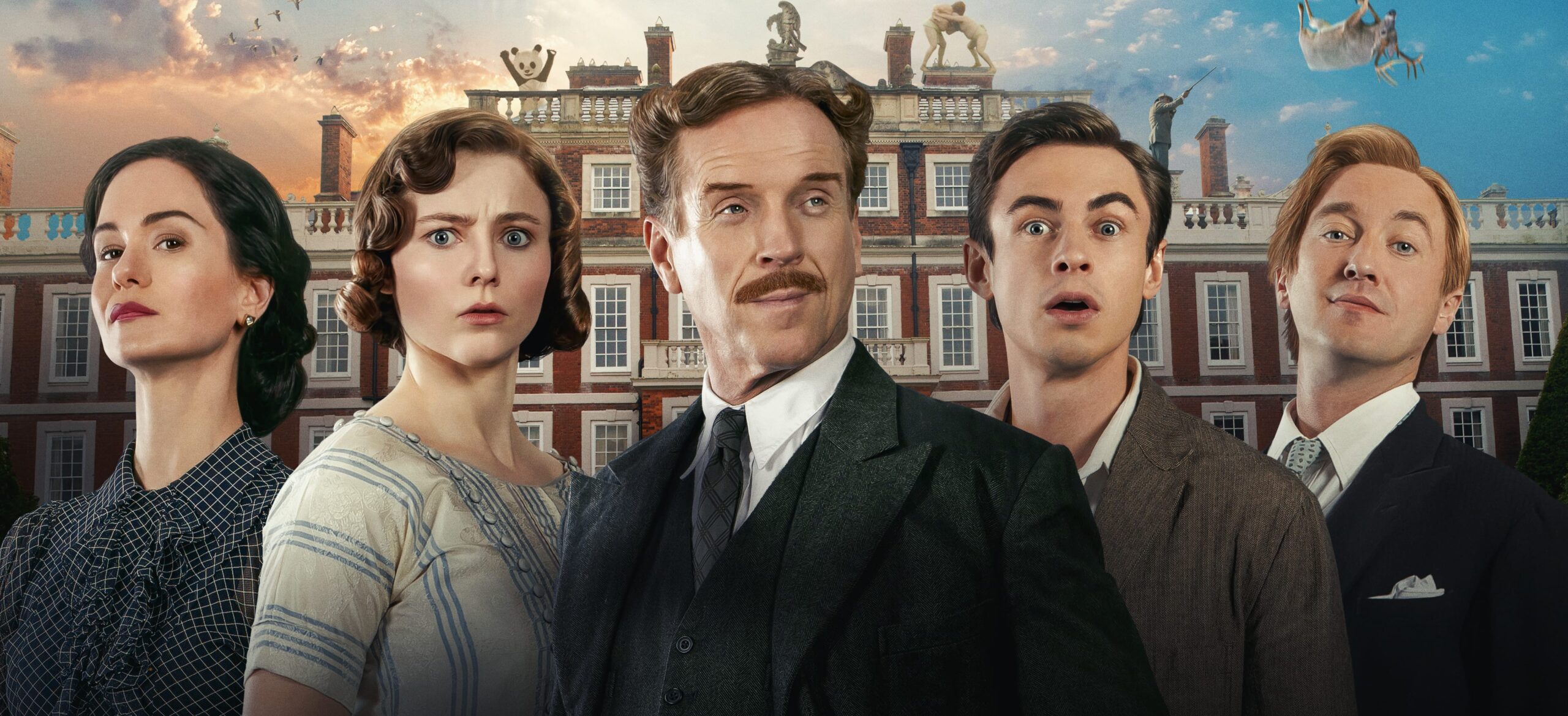
Some films announce themselves loudly. Others arrive quietly and then refuse to leave the conversation. Fackham Hall belongs to the second category. On the surface, it looks like a playful spoof of classic British period dramas. However, once the laughter settles, something deeper remains. Viewers realize that fackham hall is not only about jokes or exaggerated accents. It is about tradition, class, storytelling habits, and how familiar narratives can be turned inside out. This article explains the plot, humor, and hidden satire that give fackham hall its surprising impact.

What is fackham hall at its core

At its core, fackham hall is a parody that knows its source material intimately. It borrows the visual language, pacing, and dramatic seriousness of classic period films and then dismantles them piece by piece. Instead of mocking from the outside, fackham hall steps inside the genre and exposes its quirks through exaggeration and contrast.

The setting and its symbolic role

The stately estate known as Fackham Hall is more than a backdrop. It symbolizes inherited power, rigid social order, and the weight of tradition. In many period dramas, such estates represent elegance and stability. In fackham hall, the same setting becomes a stage for absurdity, revealing how fragile those ideals can be.

Plot overview without spoilers

The plot of fackham hall follows a familiar structure. An aristocratic household navigates internal conflict, social expectations, and personal ambition. However, every expected turn is slightly off. Characters behave in ways that feel just exaggerated enough to highlight how unrealistic many traditional narratives can be. This balance keeps the story engaging while constantly inviting the audience to question what they are watching.

How fackham hall uses parody

Parody with purpose

Parody in fackham hall is not random. Each joke targets a recognizable trope. Long dramatic pauses, intense stares, and overly serious dialogue are pushed just far enough to become funny without losing context.

Respecting the genre

What makes fackham hall effective is respect. The film understands period dramas well enough to parody them intelligently. Without that understanding, the humor would feel shallow.

Humor styles used in fackham hall

The humor in fackham hall operates on multiple levels. This layered approach ensures that different viewers find different entry points.

  • Visual comedy through exaggerated costume and movement
  • Verbal humor that plays with formal language
  • Situational comedy based on rigid social rules
  • Meta-humor that acknowledges storytelling clichés
    This variety keeps the comedy fresh and avoids repetition.

Why the jokes feel intelligent

The jokes in fackham hall rely on recognition rather than shock. Viewers laugh because they recognize patterns from other films. This recognition creates a shared understanding between filmmaker and audience, which strengthens engagement.

Satire beneath the surface

Class and hierarchy

One of the strongest satirical elements in fackham hall is its treatment of class. Characters cling to status symbols even when those symbols no longer make sense. By exaggerating this behavior, the film questions why such hierarchies are still romanticized.

Emotional repression

Period dramas often glorify emotional restraint. In fackham hall, this restraint becomes absurd. Characters suppress feelings to the point of self-destruction, revealing the cost of constant composure.

fackham hall and storytelling tradition

Traditional period dramas rely heavily on predictability. Audiences expect certain arcs, romances, and resolutions. fackham hall plays with these expectations by setting them up and then undermining them. This disruption encourages viewers to reflect on why those patterns exist in the first place.

Characters as exaggerated archetypes

Each character in fackham hall represents an archetype. The stoic patriarch, the ambitious heir, the quietly rebellious figure. However, these archetypes are pushed to extremes. By doing so, the film exposes how flat such characters can be when stripped of nuance.

Dialogue as a comedic weapon

Dialogue in fackham hall is deliberately formal and overly precise. This choice heightens the humor. Everyday concerns are discussed with unnecessary gravity, making the contrast between content and tone amusing.

Visual satire and cinematography

The cinematography mimics classic period films. Sweeping shots, dramatic lighting, and slow camera movements all contribute to authenticity. However, when paired with absurd behavior, these visuals become satirical tools rather than aesthetic flourishes.

Costume design and symbolism

Costumes in fackham hall exaggerate social roles. Heavily structured outfits restrict movement, symbolizing how tradition restricts personal freedom. When characters attempt modern behavior within these costumes, the humor becomes physical and symbolic at once.

Audience reaction and interpretation

Audience reactions to fackham hall vary widely. Some viewers focus on surface humor. Others engage deeply with its commentary. This range of interpretation is intentional. The film does not demand a single reading.

Why some viewers miss the satire

Satire requires familiarity. Viewers unfamiliar with period dramas may enjoy fackham hall but miss its deeper commentary. This does not weaken the film. Instead, it highlights how satire depends on shared cultural knowledge.

Comparing fackham hall to other parodies

Unlike broad slapstick parodies, fackham hall maintains restraint. It does not rely on constant punchlines. Instead, it builds humor through atmosphere and expectation. This approach aligns it more closely with intelligent satire than simple spoof.

Themes that give the film depth

Several recurring themes give fackham hall its staying power.

  • Tradition versus progress
  • Performance of social roles
  • Fear of change
  • Absurdity of inherited power
    These themes resonate beyond the genre itself.

Why fackham hall feels modern

Despite its period setting, fackham hall feels contemporary. Its critique of rigid systems mirrors modern conversations about class, privilege, and authenticity. This relevance helps the film connect with younger audiences.

The balance between comedy and critique

Maintaining balance is difficult. Too much critique can feel preachy. Too much comedy can feel empty. fackham hall succeeds by letting humor carry the message organically.

Rewatch value and hidden details

Many viewers notice new jokes upon rewatching fackham hall. Background expressions, subtle gestures, and visual cues add layers that reward attention. This rewatch value strengthens its cultural footprint.

Why fackham hall avoids cheap jokes

The film avoids relying on crude humor. Instead, it trusts its audience. This trust elevates the viewing experience and aligns with a more sophisticated comedic tradition.

The role of pacing

Pacing plays a crucial role in fackham hall. Scenes are allowed to breathe. Awkward silences become punchlines. This slower rhythm contrasts with modern fast-cut comedies and enhances impact.

Cultural commentary through exaggeration

Exaggeration is a classic satirical tool. fackham hall exaggerates not to distort reality, but to reveal it. By making flaws visible, the film encourages reflection.

Why critics responded positively

Critics often respond well to films that challenge genre norms thoughtfully. fackham hall demonstrates confidence in its vision, which critics recognize as intentional craftsmanship.

Audience expectations and surprise

Many viewers enter expecting light entertainment. They leave surprised by how thoughtful the experience feels. This surprise contributes to word-of-mouth appeal.

Is fackham hall timeless or topical

The film occupies an interesting space. Its jokes are rooted in specific genres, yet its themes are timeless. As long as stories romanticize hierarchy and restraint, fackham hall remains relevant.

Lessons fackham hall offers

Beyond laughter, the film offers insight.

  • Question inherited narratives
  • Recognize performative behavior
  • Embrace emotional honesty
  • Laugh at rigidity
    These lessons extend beyond cinema.

Why fackham hall stands out

In a crowded media landscape, originality matters. fackham hall stands out because it blends humor with thought. It entertains while inviting reflection.

The importance of tone consistency

Tone consistency keeps satire effective. fackham hall maintains its voice from beginning to end. This consistency prevents confusion and strengthens impact.

Viewer engagement and discussion

Discussion is part of the experience. Viewers debate meaning, intention, and effectiveness. This engagement keeps fackham hall alive beyond its runtime.

How fackham hall fits modern comedy trends

Modern comedy often blends genres. fackham hall fits this trend by combining parody, satire, and drama. This hybrid approach appeals to diverse audiences.

Why the film avoids clear answers

The film does not offer solutions. Instead, it raises questions. This openness invites viewers to draw their own conclusions.

Final thoughts on plot, humor, and satire

fackham hall succeeds because its plot supports its humor and its humor supports its satire. Each element reinforces the others. Nothing feels accidental.

Conclusion: laughter with purpose

fackham hall is more than a parody. It is a thoughtful examination of storytelling traditions wrapped in humor. By exaggerating familiar patterns, it encourages audiences to reconsider why those patterns exist. The laughter it generates is genuine, but it lingers because it points to something true. If this explanation deepened your appreciation of fackham hall, share your thoughts or join the conversation about what satire in modern cinema should aim to achieve.

Continue Reading

Entertainment

“Inside Jenna Bush Hager Life: Family, Career & Legacy”

Published

on

jenna bush hager

It’s not often that a public figure manages to feel both familiar and inspiring. But Jenna Bush Hager has that rare gift. As a daughter of presidents, a TV host, author, and advocate, her life weaves together privilege, purpose, and perseverance. In this article, we’ll go inside “Inside Jenna Bush Hager Life: Family, Career & Legacy” to explore how her upbringing shaped her, how she built her path in media and writing, and what legacy she’s crafting—on her own terms. If you’ve ever wondered how Jenna balances her public role with her personal passions, read on.

BIO at a Glance

Full Name Date of Birth Age Profession(s) Nationality Net Worth (approx.) Notable Works / Achievements
Jenna Welch Bush Hager November 25, 1981 ~43 Television personality, author, journalist, educator American ~$12–15 million Ana’s Story, Read with Jenna, co-host of Today & Jenna & Friends

Early Roots: Family, Childhood & Formative Years

When you hear “Bush family,” you might think politics and influence. Jenna Bush Hager grew up in that orbit—but she also absorbed values, contradictions, and purpose. Born in Dallas in 1981, she is one of twin daughters of President George W. Bush and First Lady Laura Bush. From her earliest years, Jenna’s identity was tied to both expectation and possibility.

Sibling & Heritage

Her twin sister Barbara has always been her closest mirror and foil. Together, they navigated childhood in a politically charged family, with public scrutiny and private challenges. Their lineage includes grandparent George H. W. Bush and the broader Bush political legacy—yet Jenna has carved a distinct path.

Education & Youth

The Bush family moved to Austin when George W. Bush became governor of Texas, and Jenna attended schools like St. Andrew’s Episcopal School and Austin High. In college, she pursued English at the University of Texas at Austin, also taking summer courses at New York University. Her academic training grounded her love for writing, reading, and storytelling.

Even while young, Jenna showed a willingness to push boundaries. During her college years, she faced minor controversies (legal issues related to underage drinking) that she later addressed openly—an early lesson in accountability under public gaze.

From Teaching to Media: The Career Arc

Jenna Bush Hager journey didn’t begin in TV—it began in classrooms, in Latin America, and in small steps toward public voice.

Educator & Humanitarian Beginnings

After college, she worked as a teacher’s aide in Washington, D.C., and later did an internship in Panama with UNICEF’s educational branch. That experience—immersing herself in underserved communities—left a lasting imprint on her worldview. She returned to Baltimore to coordinate reading programs and advocate for literacy.

These early roles established her credibility not as a celebrity child, but as someone invested in social issues, especially education.

Writing & Books

Her first major published work, Ana’s Story: A Journey of Hope, came in 2007. In it, Jenna narrated the life of a young woman living with HIV whom she encountered during her UNICEF work. The book was both personal and socially conscious, reflecting her voice of empathy and advocacy.

She later co-wrote children’s and youth books—including Read All About It!—and contributed to her mother’s projects. Over time, she became editor-at-large for Southern Living magazine, writing essays, features, and behind-the-scenes stories of American life.

NBC & Today Show

In 2009, Jenna’s media chapter began in earnest. She joined NBC News as a correspondent and contributor to The Today Show. Over the years, she moved steadily into more prominent roles—filling in for co-hosts, curating segments, and becoming a trusted presence in morning television.

By 2019, she officially stepped in as co-host of Today with Hoda & Jenna, taking over after Kathie Lee Gifford’s departure. That role cemented her public voice, combining warmth, curiosity, and insight. With Hoda Kotb’s exit in 2025, she now leads Today with Jenna & Friends, a fourth-hour talk show where she dialogues with guest hosts and cultivates community.

Her media influence extends beyond the studio. She founded Read with Jenna, a monthly book club segment that encourages reading among audiences, and later launched a publishing imprint called Thousand Voices Books to uplift emerging writers.

Family & Personal Life: Balance Behind the Scenes

No narrative of Jenna Bush Hager is complete without acknowledging her private world—her marriage, motherhood, and the tensions of public life.

Love & Marriage

Jenna met Henry Chase Hager in 2004 during her father’s presidential campaign. Their relationship grew over the years; they officially married in May 2008 at the family ranch in Texas. Notably, before proposing, Henry sought the blessing of then-President George W. Bush—a moment she has spoken of with humor and respect.

Together, they have three children: Mila, Poppy, and Hal. Jenna often describes motherhood as her most challenging, rewarding role—one that both anchors and stretches her. She shares glimpses into her parenting philosophy on Today, connecting with viewers who juggle family and ambition.

Values, Privacy & Identity

Jenna has consciously distanced herself from formal party alignment. Unlike many in her extended family, she identifies as an independent thinker, refusing to be boxed by her last name. She’s candid about mistakes, growth, lessons learned—attributes that deepen her authenticity.

She also works to protect her family’s boundaries. Despite being in the public eye, she guards moments of home, reading, play, and rest—reminding us that public stature need not erase personal grounding.

Legacy & Influence: What Jenna Bush Hager Leaves Behind

When you ask, “What will Jenna Bush Hager be remembered for?” the answer isn’t simple. Her legacy is still in formation—but several threads already stand out.

Voice for Literacy & Storytelling

Through Read with Jenna and her publishing imprint, Jenna is building a legacy around giving voice to others. She uses her media platform to spotlight writers, stories, and perspectives that might otherwise go unseen. Her imprint, Thousand Voices Books, epitomizes this mission: amplifying diverse authors and building community around narrative.

Media with Heart

Jenna’s presence on television is not just polished—it’s warm. She blends lightness with thoughtful questions, allowing vulnerability when appropriate, and modeling that you can be curious, grounded, and high-profile simultaneously. She proves that celebrity doesn’t have to feel hollow.

Bridge Between Spaces

She is, in many ways, a bridge: between politics and art, social issues and entertainment, privilege and humility. She speaks to people on all sides—those drawn to political heritage and those drawn to human stories. Her path suggests that legacy doesn’t require abandoning roots—it can transform them.

Challenges & Turning Points

While much of Jenna Bush Hager’s path looks steady, her life has seen key pivots and challenges that refined her voice.

  • Public scrutiny & expectations: Growing up in the Bush lineage meant that every misstep could be magnified. Jenna navigated that by embracing accountability and learning publicly.

  • Career transitions: Moving from education to publishing to national TV was not seamless. Each shift demanded reinvention and humility.

  • Balancing authenticity: As her platform grew, so did the tension between public persona and private self. Finding that equilibrium has been an ongoing work.

  • Leading without reliance: In stepping up after her co-hosts’ departures, Jenna now carries more of the show’s identity. That responsibility requires vision, stamina, and adaptability.

Key Lessons from Jenna’s Journey

Let me shift tone for a moment and speak plainly: Jenna’s path offers lessons that are universal, not just for celebrities.

  1. Leverage your roots, don’t live in them. Her family gave her platform—and she used it to build something uniquely hers.

  2. Small, steady work precedes spotlight. Her time as a teacher aide or UNICEF intern matters. Start small.

  3. Real voice matters more than polish. Viewers connect when someone seems real. Jenna errs in a way that feels human.

  4. Legacy lives in service. Her imprint, her book club, her educational advocacy—all points to a life focused outward, not self.

  5. Evolve as seasons change. She’s shifting from co-host to lead, from public figure to publisher—showing that identity can evolve.

Jenna Bush Hager in 2025 & Beyond

In early 2025, Jenna announced the launch of Thousand Voices Books, her own publishing imprint committed to uplifting emerging writers across genres. This move signals that she’s not content to merely host—she wants to build the infrastructure for stories to thrive.

Meanwhile, as the host of Today with Jenna & Friends, she’s redefining daytime talk, blending intimacy, literature, and social conversation. Her choices suggest that her legacy will be as much about what she enables in others as about what she does herself.

Conclusion

Inside the life of Jenna Bush Hager, we find more than the sum of her family ties, television credits, or bestselling books. We see someone quietly, persistently shaping influence through empathy, words, and purpose. Her journey reminds us that legacy isn’t inherited—it’s lived, day by day, through choices that align with one’s values.

If her story resonates with you—maybe in your own work, your love of books, or your desire to lead with heart—I hope you’ll share your take in the comments below. And if this deep dive into Jenna Bush Hager’s family, career & legacy moved you, feel free to share this post so others can be inspired too

Continue Reading

Trending

Copyright © 2025 Strands NYT. Powered By WordPress.