
Entertainment
Ibrahim Chappelle – Life, Family, and Growing Up in the Spotlight

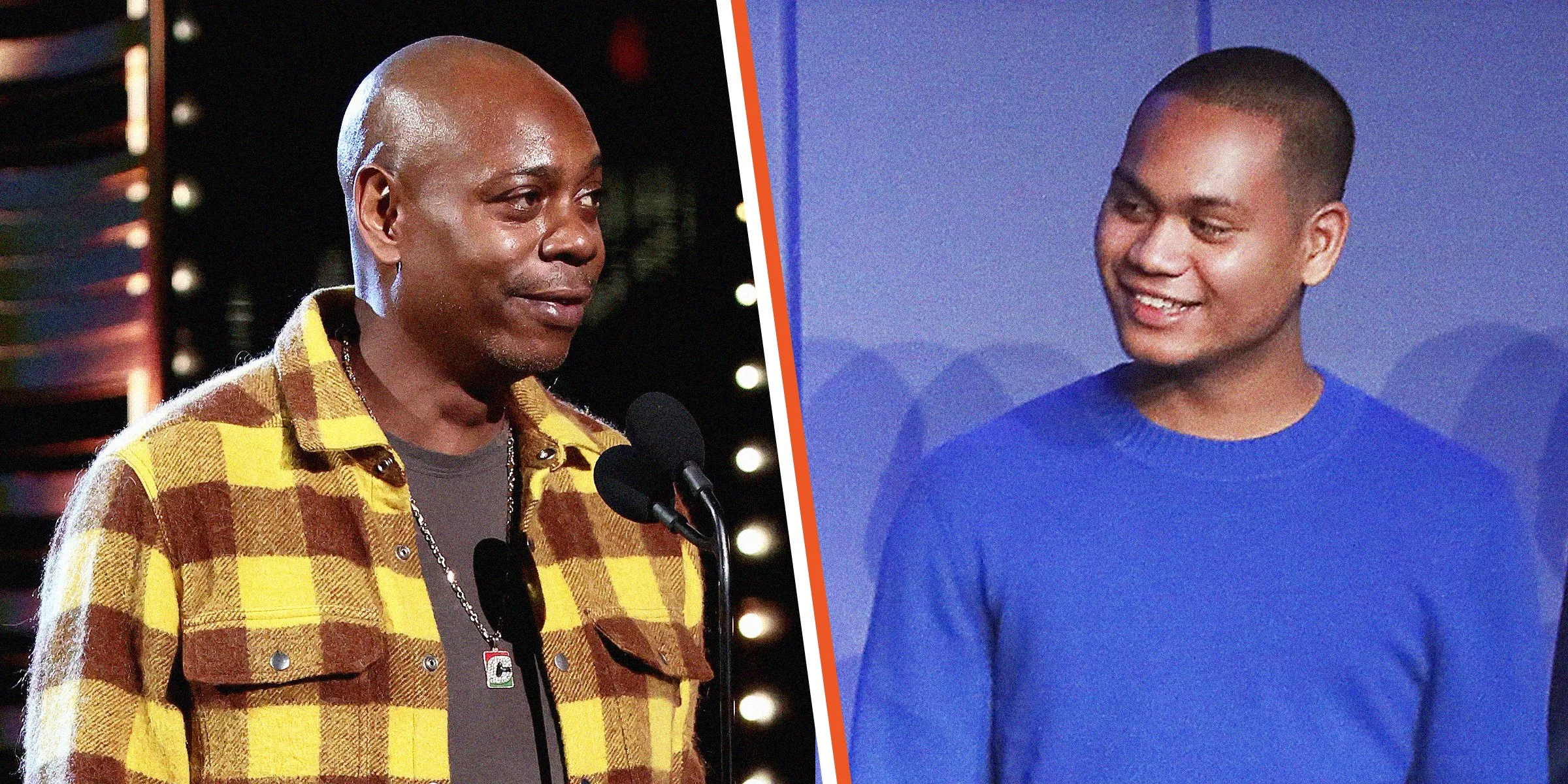
Ibrahim Chappelle – A Glimpse into His Life and Legacy
The world of entertainment has often blurred the lines between public and private life, especially for the families of celebrities. When your parent is one of the most influential comedians in the world, staying out of the spotlight is easier said than done. This is the reality for Ibrahim Chappelle, the second son of iconic American stand-up comedian Dave Chappelle. Despite being part of a household connected to fame, Ibrahim has grown up in a remarkably private environment, with his parents carefully shielding him from unnecessary media attention.
In this article, we’ll explore Ibrahim’s life, his upbringing, family, and the values instilled in him by his father. We’ll also look at how he is carving out his own path while remaining largely outside the public eye.
Early Life and Background
Ibrahim Chappelle was born in the United States to Dave Chappelle and Elaine Mendoza Erfe. His father, Dave Chappelle, rose to international fame through groundbreaking comedy specials, his hit television sketch series “Chappelle’s Show,” and his distinctive blend of humor and social commentary. His mother, Elaine, has consistently stayed out of the limelight, focusing on raising their children in a calm, grounded environment.
The Chappelle family lives in Yellow Springs, Ohio, a small, quiet town that’s far removed from the chaotic pace of Hollywood. This deliberate choice of residence has given Ibrahim a peaceful upbringing, away from the intrusive paparazzi culture that often surrounds celebrity children.
Family Life and Upbringing
Parents’ Influence
Dave Chappelle is known not only for his comedic genius but also for his deep philosophical outlook on life. His decision to raise his children in Ohio reflects his belief in protecting their normal childhood. Ibrahim, along with his siblings Sulayman and Sanaa, has benefited from a close-knit family dynamic rooted in privacy and personal values.
Elaine Mendoza Erfe, Ibrahim’s mother, plays an equally important role. Though she rarely makes public appearances, she is known to be a strong, supportive figure in the family. Together, Dave and Elaine have built a home environment that emphasizes humility, respect, and cultural awareness.
Siblings and Bonds
Ibrahim is the middle child. His older brother, Sulayman, has occasionally been mentioned by Dave Chappelle in his stand-up routines, particularly in humorous anecdotes about parenting teenagers. His younger sister, Sanaa, also enjoys a private life. The bond between the siblings is reported to be strong, as they have grown up sharing experiences in a relatively low-profile setting.
Staying Out of the Spotlight
In today’s social media-driven age, it’s almost expected for young people to have a public online presence. Yet Ibrahim Chappelle life is quite the opposite. There are no verified social media accounts or public interviews from him. This absence is not accidental — it’s part of a family philosophy that prioritizes privacy over publicity.
Dave Chappelle has often spoken about how fame can be overwhelming and how it can distort one’s sense of self. By keeping his children away from the public gaze, he aims to give them the opportunity to form their identities without external pressure.
Cultural Heritage and Identity
The Chappelle family background is rich in cultural diversity. Dave Chappelle has African-American heritage, while Elaine has Filipino roots. This multicultural environment likely gives Ibrahim a broader worldview and appreciation for different traditions.
Living in Yellow Springs also contributes to this cultural exposure. The town is known for its inclusivity, progressive values, and vibrant arts scene — all factors that can nurture open-mindedness and creativity in a young person.
Education and Interests
While specific details about Ibrahim’s schooling are private, it is believed that he attends local schools in Ohio. Dave Chappelle has emphasized the importance of education in various interviews, suggesting that his children’s academic and personal development is a top priority.
Outside academics, Ibrahim is said to enjoy a variety of hobbies. Although not much is publicly known, it’s not uncommon for children in his position to be involved in sports, arts, or music. Given Dave Chappelle’s own creative background, it wouldn’t be surprising if Ibrahim has inherited an interest in the arts.
Relationship with Dave Chappelle
Dave Chappelle’s relationship with his children, including Ibrahim, seems warm and deeply personal. In his stand-up specials, Dave occasionally mentions his kids, blending humor with moments of sincerity. These glimpses reveal a father who is both protective and encouraging.
In one interview, Dave emphasized that his main job as a parent is to love his children unconditionally while guiding them through life’s complexities. This approach has likely influenced Ibrahim’s grounded character.
Public Perception and Curiosity
Whenever the child of a celebrity is mentioned, public curiosity naturally follows. Fans of Dave Chappelle are often intrigued to know more about his family, especially his children. However, the deliberate scarcity of information about Ibrahim creates an air of mystery — and perhaps this is exactly what the Chappelles want.
The controlled release of personal details not only maintains Ibrahim’s privacy but also helps avoid the pitfalls many celebrity kids face, such as media scrutiny, unrealistic expectations, and loss of anonymity.
Lessons from the Chappelle Household
Privacy Is Powerful
In a world where sharing every detail online is the norm, the Chappelle family’s choice to stay private is a statement in itself. It teaches the value of boundaries and selective sharing.
Humility Over Hype
Despite Dave Chappelle’s global fame, his children are being raised far from red-carpet events and celebrity parties. This grounding likely instills humility and a sense of perspective in Ibrahim.
Embracing One’s Roots
By growing up in a culturally diverse home and a socially progressive town, Ibrahim has access to different perspectives. This diversity can be a source of strength and identity.
Could Ibrahim Enter the Entertainment Industry?
One of the biggest questions fans have is whether Ibrahim will follow in his father’s footsteps. While there’s no public indication that he’s pursuing a career in comedy or acting, it’s possible that he could explore creative fields in the future.
Children of famous entertainers often face a crossroads — either embracing the family legacy or forging a completely different path. Given the Chappelle family’s emphasis on individuality, Ibrahim will likely have the freedom to choose his direction without pressure.
The Importance of Normalcy
For Ibrahim, “normal” means growing up in a supportive family away from media chaos. Many celebrity children struggle with identity due to constant attention, but the Chappelles’ intentional decision to keep their kids out of the limelight may help Ibrahim develop into a well-rounded adult.
A Balanced Life
Balancing fame and personal life is a challenge for many in the entertainment industry. Dave Chappelle’s example — stepping away from a multi-million-dollar deal at the height of his career to focus on personal well-being — shows that personal happiness can outweigh public acclaim. This lesson is likely one of the most valuable for Ibrahim.
Conclusion – The Future for Ibrahim Chappelle
Ibrahim Chappelle may be the son of one of the most famous comedians of our time, but he is also an individual growing up with his own dreams, values, and choices. Protected by the love and wisdom of his parents, he has the rare opportunity to grow up away from the harsh glare of the spotlight.
Whether he decides to enter the public sphere or continue living privately, his upbringing in a grounded, value-driven household will undoubtedly shape his future in positive ways. In a culture obsessed with celebrity exposure, Ibrahim’s story is a refreshing reminder that sometimes the most important things happen away from the cameras.

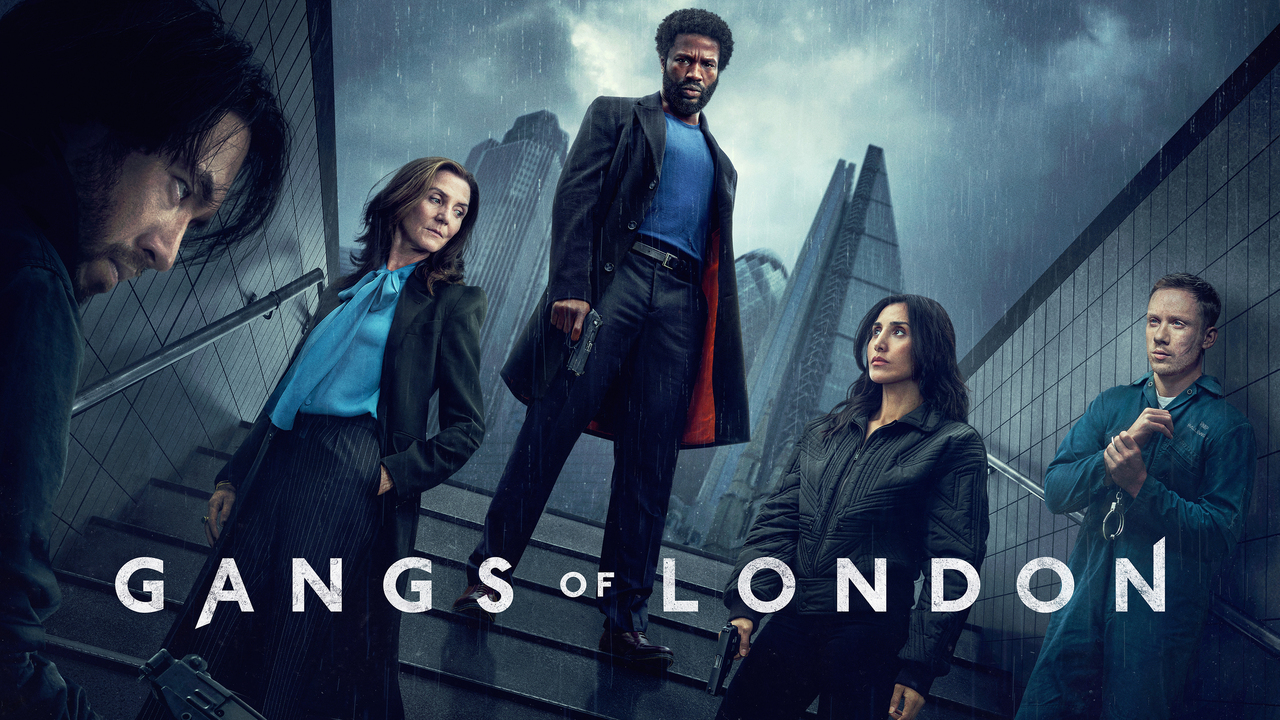
Cast of Gangs of London: Full Character Breakdown
Few television shows have captured the raw intensity of urban crime like Gangs of London. Known for its gritty storytelling, dynamic action, and multi-layered characters, the series has quickly become a favorite among fans of crime dramas. But beyond the plot twists and high-octane action, the true heart of the series lies in its cast. Each actor brings depth, nuance, and a distinctive energy that transforms complex scripts into compelling television.
In this article, we provide a complete guide to the cast of Gangs of London, detailing the main characters, supporting players, and some of the behind-the-scenes stories that make this series stand out. Whether you’re a first-time viewer or a long-time fan, this character breakdown will deepen your appreciation for the show and the actors who bring it to life.
Overview of Gangs of London
Before diving into the cast, it’s important to understand the world these characters inhabit. Set against the backdrop of London’s criminal underworld, the series explores the power struggles, loyalties, and betrayals that shape the city’s most dangerous gangs.
Key Themes
-
Family, loyalty, and betrayal
-
Power struggles in the criminal hierarchy
-
Moral ambiguity and complex character motivations
-
Realistic depiction of urban crime and violence
This setting provides fertile ground for a diverse and talented cast to shine.
Main Cast Members
1. Finn Wallace – Played by Colm Meaney
Finn Wallace is the head of London’s most powerful criminal empire. Portrayed by Colm Meaney, Finn is both ruthless and strategic, balancing family loyalty with business acumen.
-
Role in Series: Crime lord and patriarch
-
Character Traits: Calculating, authoritative, and protective
-
Impact: Serves as the central pivot around which most storylines revolve
2. Sean Wallace – Played by Joe Cole
Sean Wallace is Finn’s son, whose impulsive actions create tension within the family business. Joe Cole’s performance captures the vulnerability and recklessness of a man trying to step out of his father’s shadow.
-
Role in Series: Son of Finn Wallace
-
Character Traits: Hot-headed, ambitious, conflicted
-
Impact: Drives key plot twists, especially concerning power struggles
3. Eliot – Played by Paapa Essiedu
Eliot is a calculating enforcer within the Wallace organization, balancing loyalty and ambition. Paapa Essiedu’s portrayal brings intensity and moral complexity to the role.
-
Role in Series: Enforcer and strategist
-
Character Traits: Intelligent, disciplined, morally grey
-
Impact: Influences both criminal decisions and family dynamics
4. Lily – Played by Michelle Fairley
Lily is Finn Wallace’s matriarchal figure, offering a moral compass amidst the chaos. Michelle Fairley delivers depth and gravitas to her role, highlighting the often-overlooked influence of women in organized crime narratives.
-
Role in Series: Family matriarch
-
Character Traits: Wise, empathetic, influential
-
Impact: Acts as mediator and emotional anchor for the Wallace family
5. Eddie – Played by Lucian Msamati
Lucian Msamati plays Eddie, a cunning and ambitious rival gang leader whose interactions with the Wallace family escalate the series’ tension.
-
Role in Series: Rival gang leader
-
Character Traits: Strategic, ruthless, charming
-
Impact: Provides external conflict that tests loyalties and alliances
Supporting Cast Members
6. Jamie – Played by Nabil Elouahabi
Jamie adds layers to the storyline as a loyal but conflicted member of the criminal world. His journey highlights themes of trust, betrayal, and survival.
7. Hannah – Played by Orla Brady
Hannah’s role intersects with multiple character arcs, providing both conflict and emotional depth.
8. Supporting Enforcers and Associates
The series is rich with secondary characters, from enforcers and lieutenants to informants. Each plays a crucial role in building the realistic, interconnected criminal ecosystem that defines Gangs of London.
Character Relationships and Dynamics
One of the most compelling aspects of the cast of Gangs of London is how characters interact. Family, loyalty, and rivalry create a complex web of relationships:
-
Wallace Family Tensions: Sean’s rebellion vs. Finn’s control
-
Alliances Across Gangs: Temporary partnerships driven by mutual benefit
-
Romantic and Personal Relationships: Adding vulnerability to otherwise hardened characters
Understanding these dynamics enhances the viewing experience and highlights the actors’ nuanced performances.
Behind the Scenes: Casting Insights
The casting choices in Gangs of London were deliberate, emphasizing talent that could handle intense action sequences and complex emotional scenes.
-
Colm Meaney brings decades of experience to the patriarch role
-
Joe Cole’s youthful energy complements the seasoned actors
-
Paapa Essiedu and Michelle Fairley add depth to supporting characters
The synergy between main and supporting cast members contributes to the series’ authenticity and critical acclaim.
Table: Key Cast Members and Roles
| Actor | Character | Role Summary |
|---|---|---|
| Colm Meaney | Finn Wallace | Crime lord and family patriarch |
| Joe Cole | Sean Wallace | Impulsive son of Finn Wallace |
| Paapa Essiedu | Eliot | Enforcer and strategist |
| Michelle Fairley | Lily | Family matriarch and mediator |
| Lucian Msamati | Eddie | Rival gang leader |
| Nabil Elouahabi | Jamie | Conflicted associate |
| Orla Brady | Hannah | Emotional depth and subplot contributor |
Fan Favorites and Critically Acclaimed Performances
Among viewers, certain performances stand out:
-
Colm Meaney for his commanding presence
-
Joe Cole for his portrayal of emotional volatility
-
Paapa Essiedu for subtle yet impactful scenes
Critics have praised the ensemble for maintaining tension while delivering believable character arcs.
How the Cast Elevates the Story
The strength of the cast of Gangs of London lies in their ability to convey layered personalities amidst intense action:
-
Realistic portrayals of urban crime dynamics
-
Emotional complexity that keeps audiences invested
-
Chemistry that reinforces family and gang loyalties
The series demonstrates that casting is as critical as writing when creating immersive television.
Trivia and Fun Facts About the Cast
-
Many actors underwent combat and stunt training for authenticity
-
Some cast members contributed ideas to improve dialogue realism
-
The series mixes established actors with emerging talent, creating a balanced ensemble
Conclusion: Why the Cast Makes Gangs of London Unmissable
The cast of Gangs of London is the backbone of the series. From the commanding presence of Colm Meaney to the nuanced performances of supporting actors, each member contributes to a multi-dimensional, gripping narrative.
By understanding the characters, their relationships, and the actors’ contributions, viewers gain a richer appreciation of the series. For fans of crime drama, urban storytelling, and powerful ensemble acting, Gangs of London delivers an unforgettable experience, anchored by a cast that brings every scene to life with authenticity and intensity.
The next time you watch the series, pay close attention to how the cast of Gangs of London transforms a crime saga into a story of loyalty, betrayal, and the intricate ties that bind people together—even in the darkest corners of London’s underworld.


It’s not often that a public figure manages to feel both familiar and inspiring. But Jenna Bush Hager has that rare gift. As a daughter of presidents, a TV host, author, and advocate, her life weaves together privilege, purpose, and perseverance. In this article, we’ll go inside “Inside Jenna Bush Hager Life: Family, Career & Legacy” to explore how her upbringing shaped her, how she built her path in media and writing, and what legacy she’s crafting—on her own terms. If you’ve ever wondered how Jenna balances her public role with her personal passions, read on.
BIO at a Glance
| Full Name | Date of Birth | Age | Profession(s) | Nationality | Net Worth (approx.) | Notable Works / Achievements |
|---|---|---|---|---|---|---|
| Jenna Welch Bush Hager | November 25, 1981 | ~43 | Television personality, author, journalist, educator | American | ~$12–15 million | Ana’s Story, Read with Jenna, co-host of Today & Jenna & Friends |
Early Roots: Family, Childhood & Formative Years
When you hear “Bush family,” you might think politics and influence. Jenna Bush Hager grew up in that orbit—but she also absorbed values, contradictions, and purpose. Born in Dallas in 1981, she is one of twin daughters of President George W. Bush and First Lady Laura Bush. From her earliest years, Jenna’s identity was tied to both expectation and possibility.
Sibling & Heritage
Her twin sister Barbara has always been her closest mirror and foil. Together, they navigated childhood in a politically charged family, with public scrutiny and private challenges. Their lineage includes grandparent George H. W. Bush and the broader Bush political legacy—yet Jenna has carved a distinct path.
Education & Youth
The Bush family moved to Austin when George W. Bush became governor of Texas, and Jenna attended schools like St. Andrew’s Episcopal School and Austin High. In college, she pursued English at the University of Texas at Austin, also taking summer courses at New York University. Her academic training grounded her love for writing, reading, and storytelling.
Even while young, Jenna showed a willingness to push boundaries. During her college years, she faced minor controversies (legal issues related to underage drinking) that she later addressed openly—an early lesson in accountability under public gaze.
From Teaching to Media: The Career Arc
Jenna Bush Hager journey didn’t begin in TV—it began in classrooms, in Latin America, and in small steps toward public voice.
Educator & Humanitarian Beginnings
After college, she worked as a teacher’s aide in Washington, D.C., and later did an internship in Panama with UNICEF’s educational branch. That experience—immersing herself in underserved communities—left a lasting imprint on her worldview. She returned to Baltimore to coordinate reading programs and advocate for literacy.
These early roles established her credibility not as a celebrity child, but as someone invested in social issues, especially education.
Writing & Books
Her first major published work, Ana’s Story: A Journey of Hope, came in 2007. In it, Jenna narrated the life of a young woman living with HIV whom she encountered during her UNICEF work. The book was both personal and socially conscious, reflecting her voice of empathy and advocacy.
She later co-wrote children’s and youth books—including Read All About It!—and contributed to her mother’s projects. Over time, she became editor-at-large for Southern Living magazine, writing essays, features, and behind-the-scenes stories of American life.
NBC & Today Show
In 2009, Jenna’s media chapter began in earnest. She joined NBC News as a correspondent and contributor to The Today Show. Over the years, she moved steadily into more prominent roles—filling in for co-hosts, curating segments, and becoming a trusted presence in morning television.
By 2019, she officially stepped in as co-host of Today with Hoda & Jenna, taking over after Kathie Lee Gifford’s departure. That role cemented her public voice, combining warmth, curiosity, and insight. With Hoda Kotb’s exit in 2025, she now leads Today with Jenna & Friends, a fourth-hour talk show where she dialogues with guest hosts and cultivates community.
Her media influence extends beyond the studio. She founded Read with Jenna, a monthly book club segment that encourages reading among audiences, and later launched a publishing imprint called Thousand Voices Books to uplift emerging writers.
Family & Personal Life: Balance Behind the Scenes
No narrative of Jenna Bush Hager is complete without acknowledging her private world—her marriage, motherhood, and the tensions of public life.
Love & Marriage
Jenna met Henry Chase Hager in 2004 during her father’s presidential campaign. Their relationship grew over the years; they officially married in May 2008 at the family ranch in Texas. Notably, before proposing, Henry sought the blessing of then-President George W. Bush—a moment she has spoken of with humor and respect.
Together, they have three children: Mila, Poppy, and Hal. Jenna often describes motherhood as her most challenging, rewarding role—one that both anchors and stretches her. She shares glimpses into her parenting philosophy on Today, connecting with viewers who juggle family and ambition.
Values, Privacy & Identity
Jenna has consciously distanced herself from formal party alignment. Unlike many in her extended family, she identifies as an independent thinker, refusing to be boxed by her last name. She’s candid about mistakes, growth, lessons learned—attributes that deepen her authenticity.
She also works to protect her family’s boundaries. Despite being in the public eye, she guards moments of home, reading, play, and rest—reminding us that public stature need not erase personal grounding.
Legacy & Influence: What Jenna Bush Hager Leaves Behind
When you ask, “What will Jenna Bush Hager be remembered for?” the answer isn’t simple. Her legacy is still in formation—but several threads already stand out.
Voice for Literacy & Storytelling
Through Read with Jenna and her publishing imprint, Jenna is building a legacy around giving voice to others. She uses her media platform to spotlight writers, stories, and perspectives that might otherwise go unseen. Her imprint, Thousand Voices Books, epitomizes this mission: amplifying diverse authors and building community around narrative.
Media with Heart
Jenna’s presence on television is not just polished—it’s warm. She blends lightness with thoughtful questions, allowing vulnerability when appropriate, and modeling that you can be curious, grounded, and high-profile simultaneously. She proves that celebrity doesn’t have to feel hollow.
Bridge Between Spaces
She is, in many ways, a bridge: between politics and art, social issues and entertainment, privilege and humility. She speaks to people on all sides—those drawn to political heritage and those drawn to human stories. Her path suggests that legacy doesn’t require abandoning roots—it can transform them.
Challenges & Turning Points
While much of Jenna Bush Hager’s path looks steady, her life has seen key pivots and challenges that refined her voice.
-
Public scrutiny & expectations: Growing up in the Bush lineage meant that every misstep could be magnified. Jenna navigated that by embracing accountability and learning publicly.
-
Career transitions: Moving from education to publishing to national TV was not seamless. Each shift demanded reinvention and humility.
-
Balancing authenticity: As her platform grew, so did the tension between public persona and private self. Finding that equilibrium has been an ongoing work.
-
Leading without reliance: In stepping up after her co-hosts’ departures, Jenna now carries more of the show’s identity. That responsibility requires vision, stamina, and adaptability.
Key Lessons from Jenna’s Journey
Let me shift tone for a moment and speak plainly: Jenna’s path offers lessons that are universal, not just for celebrities.
-
Leverage your roots, don’t live in them. Her family gave her platform—and she used it to build something uniquely hers.
-
Small, steady work precedes spotlight. Her time as a teacher aide or UNICEF intern matters. Start small.
-
Real voice matters more than polish. Viewers connect when someone seems real. Jenna errs in a way that feels human.
-
Legacy lives in service. Her imprint, her book club, her educational advocacy—all points to a life focused outward, not self.
-
Evolve as seasons change. She’s shifting from co-host to lead, from public figure to publisher—showing that identity can evolve.
Jenna Bush Hager in 2025 & Beyond
In early 2025, Jenna announced the launch of Thousand Voices Books, her own publishing imprint committed to uplifting emerging writers across genres. This move signals that she’s not content to merely host—she wants to build the infrastructure for stories to thrive.
Meanwhile, as the host of Today with Jenna & Friends, she’s redefining daytime talk, blending intimacy, literature, and social conversation. Her choices suggest that her legacy will be as much about what she enables in others as about what she does herself.
Conclusion
Inside the life of Jenna Bush Hager, we find more than the sum of her family ties, television credits, or bestselling books. We see someone quietly, persistently shaping influence through empathy, words, and purpose. Her journey reminds us that legacy isn’t inherited—it’s lived, day by day, through choices that align with one’s values.
If her story resonates with you—maybe in your own work, your love of books, or your desire to lead with heart—I hope you’ll share your take in the comments below. And if this deep dive into Jenna Bush Hager’s family, career & legacy moved you, feel free to share this post so others can be inspired too

Thomas Massie: Biography, Career, and Key Facts

Cast of Mary and George: Full Character Guide

Benson Boone Mystical Magical: Emotional Analysis

Who Is Alex Karp Wife? Private Life of Palantir CEO

Melanie Zanona Salary, Career Growth & Net Worth Revealed

How to Make Slime: The Ultimate DIY Guide for Kids and Adults
-
 Business10 months ago
Who Is Alex Karp Wife? Private Life of Palantir CEO
-
 Celebrity9 months ago
Melanie Zanona Salary, Career Growth & Net Worth Revealed
-
 Lifestyle11 months ago
How to Make Slime: The Ultimate DIY Guide for Kids and Adults
-

 Business10 months ago
Rahki Giovanni Net Worth: Income, Fitness, and Success
-

 Nature10 months ago
Fascinating World of Facts: A Journey Through Datos Curiosos
-

 Celebrity11 months ago
Who Is Drew Pritchard New Wife? Inside the Antique Star’s Private Love Life
-

 Entertainment11 months ago
Strands NYT: Unraveling the Digital Threads of a New Online Trend
-

 Entertainment8 months ago
Adam Woodyatt Net Worth Revealed: Career, Income & Assets