
Celebrity
Caitlin Stasey: Inside Her Journey and Career Growth


Caitlin Stasey: Inside Her Journey and Career Growth
Some actors leave a mark through blockbuster hits, while others resonate through authenticity, courage, and the unmistakable feeling that they mean every word they say. Caitlin Stasey belongs to the second category. Her presence has never relied on loud publicity or carefully polished perfection; instead, it is built on honesty, artistic curiosity, and a willingness to challenge the narratives placed on women in the entertainment industry.
For years, audiences have followed caitlin stasey from her early appearances on Australian television to her move into international roles, activism, storytelling, and creative experimentation. What makes her story compelling is not just the work she has done on screen but the conviction behind it. She speaks with purpose, performs with intention, and refuses to be boxed into traditional expectations. Moreover, her journey reflects the evolution of modern women in media—ambitious, thoughtful, and unwilling to compromise their voice.
This article takes you deep into the life and growth of caitlin stasey, exploring her background, career rise, achievements, transformations, and the personal philosophy that continues to set her apart.
BIO: A Quick Snapshot of Caitlin Stasey
| Category | Details |
|---|---|
| Full Name | Caitlin Jean Stasey |
| Date of Birth | May 1, 1990 |
| Age | 34 (as of 2024) |
| Profession | Actress, Writer, Director, Creative Artist |
| Nationality | Australian |
| Net Worth (approx.) | $3–4 Million |
| Notable Works / Achievements | “Neighbours”, “Reign”, “Tomorrow, When the War Began”, “Please Like Me”, directing and creative activism |
Why Caitlin Stasey Captivates Modern Audiences
When people discuss performers who made an impact beyond their screen roles, caitlin stasey is a name that often rises to the surface. She represents something rare in entertainment—someone who acts not from a desire to fit the mold but from a deep need to express truth. Her voice, sometimes bold and sometimes quietly reflective, consistently feels real.
The modern audience gravitates toward figures who stand for something meaningful. That is why caitlin stasey continues to remain relevant. Her interviews, roles, creative direction, and advocacy reflect honesty and a commitment to representing real experiences, especially those of women exploring identity, independence, and personal agency.
In many ways, her career mirrors the evolution of entertainment itself—shifting from predictable narratives to deeper themes like self-expression, empowerment, vulnerability, mental health, social responsibility, and storytelling that reflects real life rather than glamorized expectations.
H2: Early Life and Influences That Shaped Caitlin Stasey
Understanding the rise of caitlin stasey requires taking a closer look at the environment that shaped her. Born and raised in Melbourne, she grew up in a creative household that valued artistic exploration, curiosity, and cultural expression. From an early age, she showed a natural pull toward performance.
H3: Childhood Foundations and Artistic Discovery
Stasey’s early exposure to acting came through school performances, singing, and community events. She was the kind of child who never hesitated to experiment with fictional characters or dramatic storytelling. Those early years—not overly glamorous, but filled with creativity—became the building blocks of her career.
Her childhood included:
-
participating in local arts programs
-
developing an interest in acting and storytelling
-
exploring music and performance
-
learning discipline through structured training
-
observing human behavior, which later enriched her acting style
These experiences allowed caitlin stasey to establish a strong emotional vocabulary—something evident throughout her career.
H3: Entering the Industry Early
At just 14, she gained recognition through the Australian series The Sleepover Club, showcasing her natural ability to blend confidence with vulnerability. Not long after, she landed a defining role on Neighbours, a show known for launching internationally successful Australian actors. This role solidified her as a rising star.
H2: Career Evolution and the Rise of Caitlin Stasey
The journey of caitlin stasey is not just a timeline of acting credits; it is a story of transformation, risk-taking, and artistic ambition. Each step she took pushed her into new creative territory.
H3: Breakthrough Roles and Growing Recognition
Her breakout moment came with Tomorrow, When the War Began (2010), an adaptation of the popular Australian novel. Stasey portrayed Ellie Linton, a strong, resourceful teenager navigating war and survival. The role demanded emotional depth, physical intensity, and a layered understanding of leadership—and she delivered it with remarkable nuance.
This performance earned:
-
critical praise
-
international attention
-
a growing fanbase
-
recognition for her ability to lead a film
-
opportunities to transition into broader markets
Moreover, it revealed her commitment to representing complex female characters—a pattern that continued throughout her career.
H3: Expanding Into International Work
After gaining traction in Australia, caitlin stasey transitioned into American television. She appeared in:
-
Reign (as Kenna, a bold and layered character)
-
Please Like Me (pushing emotional realism and relatable humor)
-
APB (playing a tech genius with sharp wit and intelligence)
-
various independent films where she experimented with darker, more introspective characters
Each role added depth to her artistic range.
H3: The Shift Toward Creative and Directing Work
Over time, Stasey began stepping into writing and directing, eager to shape narratives herself rather than simply act them. This move reflected her desire for:
-
creative autonomy
-
authentic representation
-
storytelling that explores identity, power, relationships, and truth
This evolution shows how caitlin stasey continues growing—not only as an actress but as a creator capable of crafting stories from the ground up.
H2: Advocacy, Voice, and the Impact Beyond Acting
One of the most defining aspects of caitlin stasey is her openness about personal identity, feminism, empowerment, mental health, body image, and authenticity. She has long challenged performative beauty standards and has encouraged women to embrace their authentic selves.
H3: A Voice for Self-Acceptance
Stasey has often spoken about body autonomy, artistic freedom, and the importance of breaking away from restrictive cultural ideals. Her candid interviews and personal projects highlight her belief that storytelling is not just entertainment—it is a tool for truth.
Recurring themes in her advocacy include:
-
empowering women
-
celebrating individuality
-
challenging societal expectations
-
dismantling shame culture
-
highlighting mental health realities
-
discussing creative independence
H3: A Model of Transparent Identity
What makes caitlin stasey so relatable is her willingness to be fully human. She does not pretend to have all the answers, yet she speaks with clarity about the experiences that shaped her. This transparency has earned her respect, especially among younger audiences.
H2: Personal Life and the Philosophy That Guides Caitlin Stasey
Beyond her public persona, caitlin stasey maintains a sense of grounded individuality. Her personal life often reflects her values: authenticity, honesty, and creative exploration.
H3: Interests and Creative Passions
Her interests include:
-
writing
-
directing
-
exploring visual storytelling
-
activism
-
music and performance
-
personal development
-
independent filmmaking
-
creative experimentation
These passions demonstrate her desire to grow as an artist and expand her influence beyond traditional acting.
H3: Mindset and Approach to Life
Those familiar with her work often describe Stasey as:
-
introspective
-
fearless in conversation
-
emotionally intelligent
-
artistically driven
-
openly expressive
-
thoughtful and reflective
Her mindset prioritizes emotional truth over polished appearances. That authenticity is exactly why audiences resonate deeply with her.
H2: Challenges That Shaped Caitlin Stasey’s Growth
Every meaningful journey includes obstacles, and caitlin stasey has faced her share. The entertainment industry is demanding—both emotionally and publicly. However, her responses to these challenges reveal her strength.
H3: Navigating Public Expectations
Actors often face pressure to conform. Stasey, however, chose a different route. She embraced personal authenticity, even when it meant moving against mainstream expectations. She openly discussed topics many avoid, which at times created controversy but ultimately built her reputation for honesty.
H3: Balancing Creative Vision with Industry Standards
At times, the industry’s limitations clashed with her artistic goals. Instead of stepping back, she stepped sideways—into directing, writing, and independent work—allowing her to shape her own creative landscape.
H2: Why People Continue Searching for Caitlin Stasey
The keyword caitlin stasey trends consistently because people are drawn to:
-
her career evolution
-
her memorable screen roles
-
her openness about identity
-
her creative projects
-
her advocacy
-
her authenticity
-
her willingness to challenge norms
-
her storytelling style
Moreover, search interest often relates to:
-
biography details
-
film and TV appearances
-
upcoming projects
-
interviews
-
personal insights
-
activism work
Her journey continues to inspire, making her a subject of ongoing curiosity.
H2: Legacy, Influence, and the Future of Caitlin Stasey
Stasey’s legacy is still unfolding, yet it already reflects a powerful message: artists can remain true to themselves while shaping worlds through storytelling.
H3: Influence on Future Generations
Her impact reaches beyond film and television. Young creators look to her as proof that authenticity has a place in media. She encourages:
-
creative courage
-
open conversation
-
emotional honesty
-
boundary-pushing storytelling
-
representation that feels real and relevant
H3: What Lies Ahead
Given her evolving interests, Stasey’s future likely includes:
-
more directing
-
more writing
-
deeper roles in independent cinema
-
continued advocacy
-
creative collaborations
Whatever direction she chooses, caitlin stasey will continue shaping stories that reflect emotional truth.
Conclusion: The Powerful Meaning of Caitlin Stasey’s Journey
The life and career of caitlin stasey show that success is not simply about fame—it is about purpose, authenticity, and the courage to evolve. Her story blends artistic determination with personal honesty, making her a compelling figure in modern entertainment.
As audiences continue discovering her work, they find someone who refuses to be limited by expectations and instead builds her own creative path. Her journey reminds us that growth is ongoing, identity is personal, and storytelling is most meaningful when it feels real.
If this deep dive into caitlin stasey inspired you or gave you new insight, feel free to share your thoughts, comment on your favorite part of her journey, or explore more stories about artists redefining the meaning of creativity today.
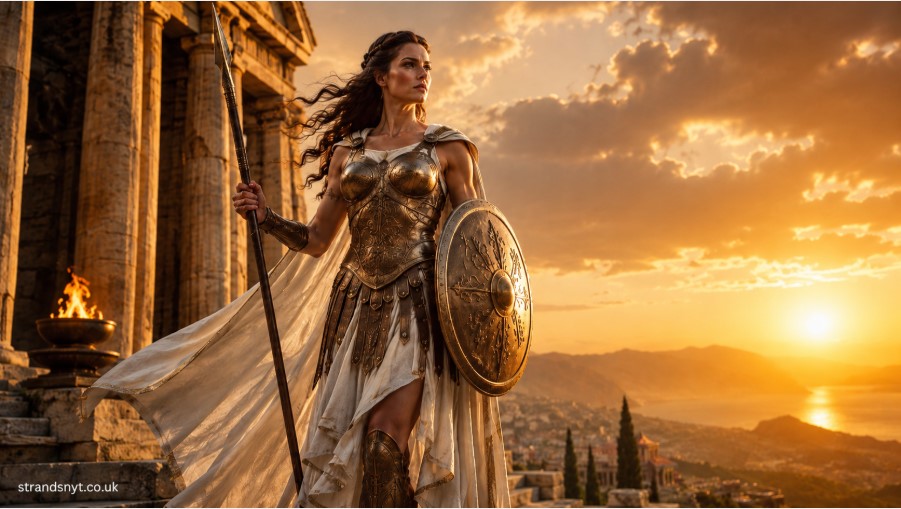
10 Facts About Wonder Woman Every Fan Should Know
Wonder Woman is not just another superhero in a bright costume. She is one of the most powerful, respected, and meaningful characters in comic book history. For many fans, she represents courage, truth, compassion, justice, and strength in a way few fictional heroes ever have. While Superman stands for hope and Batman stands for determination, Wonder Woman brings something deeply human to the superhero world: the belief that power should protect, not dominate.
What makes Wonder Woman so fascinating is that her story goes far beyond battles, villains, and flashy action scenes. She comes from mythology, feminism, wartime history, and classic comic book imagination. She has inspired generations of readers, viewers, collectors, and pop culture fans. Whether you first discovered her through DC Comics, the Justice League, the animated series, or the blockbuster films, there is always something new to learn about Diana Prince.
In this article, we will explore 10 facts about Wonder Woman every fan should know. Some are about her origin. Some are about her powers. Others reveal why she became such a timeless icon. So, let’s step into Themyscira and look closer at the legendary Amazon warrior who changed superhero history forever.
Wonder Woman Bio
| Detail | Information |
|---|---|
| Full Name | Princess Diana of Themyscira |
| Date of Birth | Fictional / Varies by storyline |
| Age | Usually portrayed as hundreds or thousands of years old |
| Profession | Amazon Princess, Warrior, Diplomat, Superhero |
| Nationality | Themysciran / Amazon |
| Net Worth (approx.) | Fictional character, no official net worth |
| Notable Works / Achievements | Founding Justice League member, DC Comics icon, symbol of truth and justice |
1. Wonder Woman Was Created During World War II
Wonder Woman made her first major appearance in the early 1940s, a time when the world was facing fear, conflict, and uncertainty. Her creation was not random. She arrived during World War II, when comic books were filled with bold heroes fighting evil and standing for freedom.
However, Wonder Woman was different from many heroes of that era. She was not created simply as a female copy of Superman or Batman. She had her own purpose, personality, and message. Her creator wanted her to show that strength and kindness could exist together. That idea still feels fresh today.
At a time when female superheroes were rare, Wonder Woman stood out. She was brave, intelligent, graceful, and fearless. She did not wait to be rescued. She became the rescuer. That was a powerful message for readers then, and it remains powerful now.
Why Her Timing Mattered
Wonder Woman appeared when society was changing. Women were taking on new roles during wartime, working in factories, supporting families, and proving their abilities in public life. In many ways, Wonder Woman reflected that shift. She showed that women could be heroic, strong, and independent.
2. Wonder Woman’s Real Name Is Diana
Many casual fans know the superhero name Wonder Woman, but her real name is Diana. More specifically, she is Princess Diana of Themyscira. She is the daughter of Queen Hippolyta and a proud member of the Amazons.
The name Diana connects her to mythology. In Roman mythology, Diana is linked with the hunt, the moon, and independence. That makes the name feel perfect for a warrior princess who values freedom and honor.
Diana is not just a secret identity. It is the heart of the character. When she is called Wonder Woman, we see the symbol. When she is called Diana, we see the person behind the symbol. She has emotions, doubts, hopes, and personal struggles. That balance makes Wonder Woman feel more real.
Diana Prince and the Human World
In many stories, Diana uses the name Diana Prince when she lives among humans. This identity helps her understand ordinary people, their struggles, and their way of life. Unlike some heroes who hide from humanity, Wonder Woman tries to connect with it.
3. Themyscira Is Her Home
Wonder Woman comes from Themyscira, also known as Paradise Island in some versions. It is a hidden island where the Amazons live. This place is often shown as peaceful, beautiful, and protected from the outside world.
Themyscira is not just a background location. It shapes Diana’s values. She grows up surrounded by warriors, scholars, leaders, and women who train both the body and mind. From a young age, she learns discipline, honor, combat, wisdom, and compassion.
When Wonder Woman leaves Themyscira, she does not leave her values behind. In fact, she carries them into the wider world. That is one reason her character feels so strong. She knows who she is before she ever becomes a global hero.
What Themyscira Represents
Themyscira represents peace, sisterhood, history, and power. It is a place untouched by many of the problems of the modern world. However, Diana’s journey shows that even a paradise cannot remain isolated forever. Sometimes, true heroism means stepping beyond safety to help others.
4. Wonder Woman Is Deeply Connected to Greek Mythology
One of the most exciting things about Wonder Woman is her connection to Greek mythology. Her world includes gods, Amazons, magical weapons, ancient prophecies, and legendary creatures. This gives her stories a grand, timeless feeling.
Depending on the version, Wonder Woman has ties to gods such as Zeus, Ares, Athena, Hera, and Aphrodite. These mythological elements make her different from street-level heroes or science-based superheroes. Her battles often feel larger than life because they connect modern problems with ancient themes.
Ares, the god of war, is one of her most famous enemies. This makes sense because Wonder Woman often fights not just physical villains, but also hatred, violence, corruption, and destruction.
Mythology Adds Depth
Greek mythology gives Wonder Woman a rich storytelling base. Her adventures can explore pride, power, love, war, destiny, and sacrifice. These are old themes, but they still matter. That is why Wonder Woman stories often feel both classic and modern at the same time.
5. Her Lasso of Truth Is One of Her Most Famous Weapons
The Lasso of Truth is one of the most iconic superhero tools ever created. While Batman has his gadgets and Thor has his hammer, Wonder Woman has a golden lasso that forces people to tell the truth.
This weapon perfectly matches her character. Wonder Woman is not just about defeating enemies. She wants honesty, justice, and understanding. The lasso reflects her belief that truth is powerful. In many stories, it is not only used to trap villains but also to reveal hidden motives and painful secrets.
The Lasso of Truth also separates Wonder Woman from heroes who rely only on force. It reminds us that truth can be stronger than violence. That message has helped keep the character meaningful for decades.
Other Famous Wonder Woman Weapons
Wonder Woman is also known for several other powerful items, including:
- Bracelets of Submission
- Royal tiara
- Sword and shield in modern versions
- Amazon armor
- Invisible jet in classic stories
Each item adds something special to her legend. However, the Lasso of Truth remains the most symbolic.
6. Wonder Woman Is a Founding Member of the Justice League
Wonder Woman is one of the most important members of the Justice League. Alongside heroes like Superman, Batman, The Flash, Aquaman, Green Lantern, and Martian Manhunter, she helps protect the world from major threats.
Her role in the Justice League is not small. She is often shown as one of the team’s strongest fighters and wisest voices. When Superman brings hope and Batman brings strategy, Wonder Woman brings courage, honesty, and moral clarity.
She is not there just to complete the team. She leads, challenges, protects, and inspires. In many versions, other heroes deeply respect her because she has the heart of a warrior and the mind of a diplomat.
Why She Matters in the Team
Wonder Woman balances power with compassion. She understands battle, but she also understands peace. This makes her one of the most complete heroes in DC Comics. She can fight gods, comfort civilians, debate leaders, and stand firm when the world feels lost.
7. Wonder Woman Has Superhuman Powers
Wonder Woman is incredibly powerful. She has superhuman strength, speed, durability, agility, and reflexes. She can fight some of the strongest beings in the DC Universe and survive battles that would destroy ordinary people.
Her powers vary depending on the comic, film, or animated version. However, she is almost always shown as one of the strongest superheroes in DC. In some versions, her abilities come from the Greek gods. In others, they are tied to her Amazon training and divine heritage.
What makes Wonder Woman special is that her strength is not only physical. She also has emotional strength. She can face pain, betrayal, war, and loss without losing her belief in goodness.
Common Wonder Woman Abilities
| Power or Skill | Description |
|---|---|
| Super Strength | Can battle powerful enemies and lift massive objects |
| Speed and Agility | Moves quickly in combat and reacts with precision |
| Durability | Can survive extreme attacks and dangerous battles |
| Combat Training | Trained by the Amazons in many fighting styles |
| Flight | In many versions, she can fly |
| Wisdom | Uses strategy, patience, and emotional intelligence |
| Leadership | Often leads heroes and inspires others |
8. Wonder Woman Changed the Role of Female Superheroes
Before Wonder Woman became famous, female superheroes were not often given major roles. Many women in comics were side characters, love interests, or supporting figures. Wonder Woman changed that.
She proved that a female superhero could lead her own stories, headline comic books, and become a global symbol. She was not written as weak or dependent. She had her own mission, her own values, and her own place in the superhero world.
Of course, the character has changed over time. Some older stories may feel dated today. However, the larger impact of Wonder Woman remains important. She opened doors for future female superheroes such as Supergirl, Batgirl, Storm, Captain Marvel, Black Widow, and many others.
A Symbol of Empowerment
Wonder Woman became a symbol of female empowerment because she showed strength without losing kindness. She did not need to act cold to be powerful. She could be loving, thoughtful, and fierce at the same time.
That is one reason fans continue to admire her. She shows that power can look different. It can be brave. It can be graceful. It can be protective. It can also be deeply compassionate.
9. Wonder Woman Has Appeared in Comics, TV, Film, and Animation
Wonder Woman is one of the rare characters who has succeeded across many forms of entertainment. She started in comic books, but her influence quickly moved into television, animation, movies, merchandise, video games, and pop culture.
The classic Wonder Woman television series made the character even more famous. Later, animated DC shows introduced her to new generations. Then modern films brought Diana to a wider global audience, especially with cinematic portrayals that showed both her warrior strength and emotional depth.
Her costume, tiara, bracelets, and lasso are instantly recognizable. Even people who do not read comics usually know who Wonder Woman is. That level of recognition is rare.
Why Her Popularity Lasts
Wonder Woman lasts because her message is simple but strong. She fights for truth, love, peace, and justice. Trends change. Movie styles change. Comic book art changes. However, those values stay relevant.
10. Wonder Woman Is More Than a Superhero
The most important fact about Wonder Woman is that she is more than a superhero. She is a cultural icon. She represents ideals that people still care about: courage, fairness, strength, equality, and hope.
Many superheroes are loved because they are powerful. Wonder Woman is loved because her power has purpose. She does not fight to prove she is better than others. She fights because she believes the world can be better.
That makes her story emotional. She is not only battling monsters or villains. She is often battling fear, hatred, lies, and injustice. In a world that can feel divided, Wonder Woman still stands for unity and truth.
The Human Side of Wonder Woman
One of the best things about Wonder Woman is her heart. She may be an Amazon warrior, but she cares deeply about people. She wants to understand humanity, not simply judge it. That makes her different from many characters with godlike power.
She has seen war, cruelty, and betrayal. Yet she still believes in love and peace. That is not weakness. In fact, it may be her greatest strength.
Wonder Woman’s Biggest Strengths at a Glance
| Strength | Why It Matters |
|---|---|
| Courage | She faces danger without losing hope |
| Compassion | She protects people because she truly cares |
| Truth | Her lasso and values are built around honesty |
| Leadership | She guides heroes and inspires trust |
| Combat Skill | Her Amazon training makes her a fierce warrior |
| Wisdom | She thinks before acting and values peace |
| Legacy | She has inspired fans for generations |
Why Fans Still Love Wonder Woman Today
Wonder Woman remains popular because she feels timeless. She belongs to ancient myth, but she also fits modern conversations about identity, justice, leadership, and equality. That combination is rare.
In addition, Wonder Woman has emotional depth. She is not perfect. She sometimes struggles with the human world. She faces difficult choices. She carries the weight of being both a princess and a protector. However, those struggles make her more interesting.
Fans love her because she is powerful without being cruel. She is confident without being arrogant. She is idealistic without being foolish. Moreover, she reminds people that kindness and strength can work together.
Common Questions About Wonder Woman
Is Wonder Woman stronger than Superman?
This depends on the storyline. Superman is often shown as one of the strongest heroes in DC Comics, but Wonder Woman is also extremely powerful. She has defeated major enemies, fought gods, and stood beside Superman in world-ending battles. In combat skill, many fans believe Wonder Woman may have an advantage because of her Amazon warrior training.
Is Wonder Woman a goddess?
In some versions, Wonder Woman has divine heritage or is connected to the Greek gods. In other versions, she is an Amazon princess shaped by magic or blessed by the gods. Her exact origin changes depending on the comic or adaptation.
What does Wonder Woman stand for?
Wonder Woman stands for truth, justice, peace, equality, courage, and compassion. She is a warrior, but her mission is not simply to fight. Her deeper goal is to protect life and encourage a better world.
Why is Wonder Woman important?
Wonder Woman is important because she became one of the first major female superheroes to gain global fame. She changed comic book history and became a lasting symbol of empowerment, bravery, and hope.
Final Thoughts on Wonder Woman
Wonder Woman has earned her place as one of the greatest superheroes of all time. Her story is packed with mythology, action, emotion, and meaning. From Themyscira to the Justice League, from the Lasso of Truth to her Amazon training, every part of her character adds to a legacy that continues to grow.
What makes Wonder Woman truly unforgettable is not just her strength. It is her purpose. She fights for truth when lies are easier. She chooses compassion when anger feels natural. She stands for peace, even when war surrounds her. That is why Wonder Woman still matters to fans around the world.
Whether you know her from comics, films, television, or animated shows, there is always another layer to discover. These 10 facts about Wonder Woman show why she remains a hero worth celebrating. If you enjoyed this article, share it with another fan and join the conversation: which Wonder Woman fact surprised you the most?
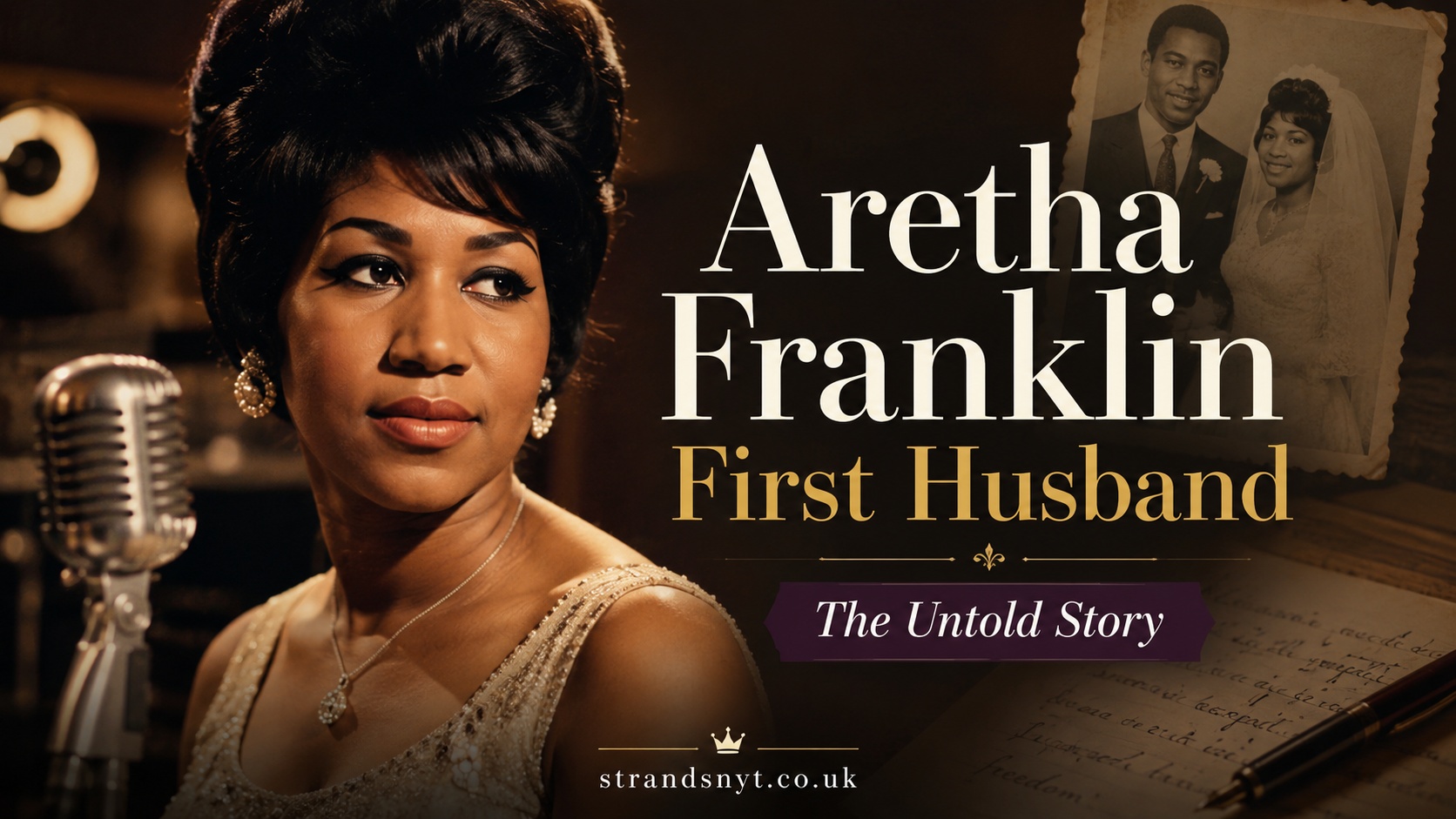
The Love Story Behind the Queen of Soul
Aretha Franklin’s voice could shake a room, soften a heart, and turn a simple lyric into something unforgettable. She was not just a singer. She was a force. A woman with power, pain, faith, and fire inside every note she sang. Yet behind the public glory of the Queen of Soul, there was a private life filled with complicated relationships, emotional battles, and moments the spotlight never fully explained.
One of the most searched questions about her personal life is about Aretha Franklin First Husband. People want to know who he was, how they met, why their marriage became so talked about, and what role he played in her early career. His name was Theodore “Ted” White, and his place in Aretha Franklin’s story remains both important and controversial.
Their marriage was not a simple love story. It had glamour, ambition, music, tension, and heartbreak. It happened during a time when Aretha was moving from a gifted young gospel singer into one of the most important voices in American music. However, her first marriage also came with emotional pressure and public rumors that followed her for years.
This article takes a closer look at Aretha Franklin First Husband, the timeline of their relationship, the challenges they faced, and why this chapter still matters when understanding Aretha Franklin’s life.
Aretha Franklin BIO
| BIO Detail | Information |
|---|---|
| Full Name | Aretha Louise Franklin |
| Date of Birth | March 25, 1942 |
| Age | 76 at the time of her death in 2018 |
| Profession | Singer, songwriter, pianist, gospel artist |
| Nationality | American |
| Net Worth (approx.) | Around $80 million at the time of her death |
| Notable Works / Achievements | “Respect,” “Chain of Fools,” “Think,” “I Say a Little Prayer,” first woman inducted into the Rock and Roll Hall of Fame, 18 Grammy Awards |
Who Was Aretha Franklin First Husband?
Aretha Franklin First Husband was Theodore Richard White, better known as Ted White. He was a businessman and music manager who became part of Aretha’s life when she was still very young. Their relationship began during a key period in her career, when she was trying to build her identity outside the gospel world and become a major recording artist.
Ted White was not a singer like Aretha, but he moved around entertainment circles. He had connections, confidence, and a strong personality. To some people, he appeared stylish and ambitious. To others, he seemed controlling and difficult. This mixed reputation would later become a major part of how people viewed his marriage to Aretha.
Aretha married Ted White in 1961. She was only 19 years old. At that time, she was already a mother and already carrying the weight of fame, family expectations, and personal responsibility. Ted was older than her, and their marriage quickly became tied not only to her personal life but also to her professional decisions.
When people search for Aretha Franklin First Husband, they are often surprised by how young she was when she entered this marriage. She was talented beyond her years, but emotionally, she was still growing. The music business was tough, especially for a young Black woman trying to control her own voice and image in the 1960s.
How Did Aretha Franklin and Ted White Meet?
Aretha Franklin met Ted White through social and music circles. Her father, Reverend C. L. Franklin, was a famous preacher, and Aretha grew up around gospel legends, musicians, and public figures. Her home was often filled with powerful voices and strong personalities.
Ted White entered her world at a time when Aretha was stepping into adulthood. She had already moved from Detroit gospel roots toward a broader music career. She signed with Columbia Records in the early 1960s, and people around her were trying to decide what kind of artist she should become.
Should she sing jazz? Pop? Soul? Gospel-inspired ballads? Everyone had an opinion.
Ted White became one of the people closest to her during this confusing stage. He later served as her manager, which made their relationship even more complicated. When romance and business mix, things can become messy. In Aretha’s case, that mix created pressure in both her marriage and her career.
This is why the story of Aretha Franklin First Husband is more than just celebrity gossip. It is also a story about youth, fame, control, and the struggle to become your own person.
The Marriage of Aretha Franklin and Ted White
Aretha Franklin and Ted White married in 1961. Their marriage lasted until 1969, which means they were together during some of the most important years of Aretha’s rise.
During their marriage, Aretha was still searching for her sound. Her early Columbia recordings showed her talent, but they did not fully capture the raw soul that later made her legendary. She was respected, but not yet the Aretha Franklin the world would come to know.
That changed when she signed with Atlantic Records in 1966. Soon after, she released career-defining songs like “I Never Loved a Man (The Way I Love You)” and “Respect.” These songs did not just make her famous. They made her iconic.
However, behind that public success, her marriage was reportedly strained. Many accounts describe the relationship as troubled. People close to Aretha later suggested that Ted White could be controlling. Some reports also claimed there were incidents of conflict and emotional distress. Because these are sensitive matters, it is important to speak carefully. What is clear is that the marriage was difficult enough that it eventually ended in divorce.
The story of Aretha Franklin First Husband shows how fame does not protect anyone from private pain. Sometimes, the person singing the strongest songs is also carrying the heaviest silence.
Ted White’s Role in Aretha Franklin’s Career
Ted White was not only Aretha’s husband. He also acted as her manager for part of her early career. That gave him influence over professional choices, appearances, and business matters.
On paper, having a spouse as a manager may seem convenient. In real life, it can blur boundaries. If there is a disagreement at work, it follows you home. If there is a fight at home, it can affect decisions in the studio. For Aretha, whose gift needed freedom, this kind of pressure could not have been easy.
During the Ted White years, Aretha was still under heavy industry influence. Producers, label executives, managers, and family members all had ideas about what she should do. Yet the magic of Aretha Franklin came from her own instincts. She knew gospel. She knew blues. She knew pain. She knew how to turn emotion into sound.
Her breakthrough at Atlantic Records proved that once the right musical environment met her natural power, nobody could stop her.
Still, Aretha Franklin First Husband remains part of that career chapter because he was near her during the transition. Whether people view his role positively or negatively, his presence was tied to the years before her full artistic explosion.
Why Was Their Marriage Controversial?
The marriage between Aretha Franklin and Ted White became controversial for several reasons.
First, Aretha was very young when they married. She was 19, already a mother, and already under public attention. Ted was older and more experienced in adult social circles.
Second, Ted White had a reputation that worried some people close to Aretha. Her father reportedly had concerns about him. In families, especially famous ones, outsiders are often judged closely. But in this case, those concerns became part of the larger story.
Third, reports over the years described the marriage as emotionally difficult. Some biographical accounts claim there was conflict, control, and alleged mistreatment. These claims shaped public understanding of the relationship, though Aretha herself often kept many personal matters private.
Finally, their marriage ended during a time when Aretha was becoming one of the biggest singers in the world. The contrast was striking. Publicly, she was singing “Respect.” Privately, she was leaving a marriage many people believed had caused her pain.
That is one reason Aretha Franklin First Husband remains such a searched topic. Fans want to understand the real woman behind the anthem.
Aretha Franklin First Husband and the Song “Respect”
It is tempting to connect Aretha’s personal life directly to “Respect.” After all, the timing feels powerful. She recorded her famous version in 1967, while still married to Ted White. The song became more than a hit. It became a cultural statement.
However, it is important not to oversimplify things. “Respect” was originally written and recorded by Otis Redding. Aretha transformed it. She changed its energy, its meaning, and its attitude. In her hands, it became a demand for dignity.
Was she singing to a husband? To the music industry? To society? To every person who underestimated her?
Maybe the answer is all of the above.
That is the beauty of Aretha Franklin. Her songs felt personal and universal at the same time. When she sang about respect, listeners heard their own lives in it. Women heard strength. Black Americans heard pride. Workers heard dignity. Lovers heard boundaries.
So while Aretha Franklin First Husband may have been one piece of the emotional world behind that song, the anthem became much larger than one marriage.
A Quick Timeline of Aretha Franklin and Ted White
| Year | Event |
|---|---|
| Early 1960s | Aretha Franklin and Ted White became romantically involved |
| 1961 | Aretha married Ted White at age 19 |
| 1960s | Ted White served as her husband and manager |
| 1966 | Aretha signed with Atlantic Records |
| 1967 | “Respect” became a career-defining hit |
| 1969 | Aretha Franklin and Ted White divorced |
Did Aretha Franklin Have Children With Ted White?
Yes. Aretha Franklin and Ted White had one son together, Ted White Jr., who was born in 1964. He later became known professionally as Teddy Richards and worked as a musician.
Aretha had four sons in total. Her family life was often private, and she protected her children from too much public attention. Like many famous mothers, she had to balance career, motherhood, travel, recording, and personal struggles.
When discussing Aretha Franklin First Husband, it is easy to focus only on conflict. However, their marriage also became part of her family story because of their son. That human detail matters. Relationships can be painful and still leave behind people who are deeply loved.
Why Did Aretha Franklin and Ted White Divorce?
Aretha Franklin and Ted White divorced in 1969 after several years of reported tension. The exact private details were never fully laid out by Aretha in a simple public statement, and that is understandable. Some pain does not need to be performed for the public.
What we do know is that by the late 1960s, Aretha was stepping into a stronger public identity. Her music was bigger. Her voice was clearer. Her place in the industry was more secure. Ending the marriage may have been part of reclaiming her peace and independence.
Divorce is never just a headline. It is a life change. For Aretha, it happened while she was carrying the expectations of fans, family, record labels, and the civil rights era. She was not only a performer. She was becoming a symbol.
The end of her first marriage did not weaken her. In many ways, it seemed to mark a new chapter.
That is why Aretha Franklin First Husband is such an important topic. It helps readers understand what Aretha had to survive while building a legendary career.
Aretha Franklin’s Life After Ted White
After her divorce from Ted White, Aretha Franklin continued to grow as an artist. The 1970s brought more success, more recordings, more performances, and more proof that her talent was not a passing moment.
She became known as the Queen of Soul for a reason. Her voice carried gospel roots, blues feeling, jazz control, and pop power. She could make a song sound like a prayer, a warning, or a victory speech.
Her personal life still had challenges. She later married actor Glynn Turman in 1978, but that marriage also ended in divorce. Still, Aretha remained deeply respected. She performed for presidents, inspired generations, and became a musical standard that few artists could ever match.
In addition, her role in American culture went far beyond entertainment. Aretha Franklin’s music became connected to civil rights, women’s empowerment, Black excellence, and spiritual resilience.
The chapter involving Aretha Franklin First Husband was only one part of her life, but it was a revealing one. It showed the world that even legends must fight private battles.
What Made Aretha Franklin So Strong?
Aretha Franklin’s strength did not come from having an easy life. It came from surviving a hard one.
She lost her mother at a young age. She became a mother early. She entered the music business when it was controlled by powerful men. She faced criticism, pressure, heartbreak, and health challenges. Yet she kept singing.
Her strength came from:
- Her gospel foundation
- Her deep family roots
- Her natural musical genius
- Her emotional honesty
- Her ability to turn pain into art
- Her confidence in her own sound
- Her refusal to disappear
This is why Aretha Franklin still matters. She did not just sing about strength. She lived it.
When readers search for Aretha Franklin First Husband, they are often looking for one person. But they end up discovering a much bigger story about Aretha herself.
The Public Image vs. The Private Woman
Publicly, Aretha Franklin was grand. She wore elegant gowns, sang with authority, and commanded every stage she stepped on. Privately, she was more complex. She could be guarded, funny, sensitive, proud, and deeply spiritual.
That contrast makes her story more human.
Celebrities are often flattened into simple images. Aretha was called a diva, a legend, a queen. All of those words may be true, but they do not fully explain her. She was also a woman who made mistakes, trusted people, got hurt, protected her family, and kept going.
The story of Aretha Franklin First Husband reminds us not to treat famous women like statues. They are people first. Their greatness does not erase their vulnerability.
Ted White’s Legacy in Aretha Franklin’s Story
Ted White is mostly remembered because of his marriage to Aretha Franklin. Unlike Aretha, he did not leave behind a major artistic legacy. His name remains attached to hers because of their marriage, his role as her manager, and the difficult reputation surrounding their relationship.
For some fans, he represents a painful chapter. For others, he is simply part of the background of Aretha’s early adult life. Either way, his story cannot be separated completely from hers.
Still, it is important to keep the focus where it belongs. Aretha Franklin’s legacy was not defined by Ted White. It was defined by her voice, her courage, her artistry, and her impact on music history.
Aretha Franklin First Husband may be a popular search term, but the real story leads back to Aretha’s power.
Lessons From Aretha Franklin’s First Marriage
There are several lessons readers can take from this chapter of Aretha Franklin’s life.
Love Should Not Silence Your Voice
Aretha’s gift needed space. Any relationship that limits a person’s voice, confidence, or peace can become damaging. Her life reminds us that love should support growth, not control it.
Success Does Not Remove Pain
Aretha was becoming famous, yet she still faced private struggles. This is a reminder that public success does not always mean personal happiness.
Leaving Can Be an Act of Strength
Divorce is often seen as failure, but sometimes it is survival. For Aretha, moving on from her first marriage opened the door to a new chapter of independence.
Art Can Transform Hurt
Aretha did not waste her pain. She poured it into music. That is why her songs still feel alive today.
Why Fans Still Search for Aretha Franklin First Husband
People continue to search for Aretha Franklin First Husband because they want to understand the woman behind the voice. Her music was so emotional that listeners naturally wonder what she lived through.
They want to know:
- Who was Ted White?
- Was the marriage happy?
- Did he help or hurt her career?
- Why did they divorce?
- Did her personal life influence her music?
- How did Aretha become so strong?
These questions are not just about curiosity. They are about connection. Fans feel close to Aretha because her songs feel honest. Learning about her life makes those songs even more powerful.
Aretha Franklin’s Legacy Is Bigger Than Her Marriage
Although her first marriage is an important chapter, Aretha Franklin’s legacy stretches far beyond any relationship. She changed music. She changed culture. She helped define soul.
Her version of “Respect” became one of the most important songs of the 20th century. Her gospel performances could bring listeners to tears. Her pop and soul hits remain timeless. Moreover, her influence can be heard in generations of singers who came after her.
Artists across R&B, gospel, pop, jazz, and soul still study her phrasing. They study her piano playing. They study the way she could hold back for one second and then release a note that felt bigger than the room.
That is the real Aretha Franklin story.
Not just who she married.
Not just what she endured.
But what she created despite everything.
Conclusion: The Untold Story Behind Aretha Franklin First Husband
The story of Aretha Franklin First Husband is not a fairy tale. It is a complicated chapter in the life of one of the greatest singers the world has ever known. Ted White was her first husband, her manager for a time, and a figure connected to some of her most challenging early years.
Their marriage began when Aretha was very young and ended as she was becoming a global icon. It included ambition, pressure, family, music, and pain. Yet it did not define her. If anything, it showed how much strength she had.
Aretha Franklin rose above difficult moments and gave the world songs that still speak to love, dignity, heartbreak, faith, and freedom. That is why her story continues to matter. Behind the title Queen of Soul was a real woman who fought for her voice and won.
If this article helped you understand Aretha Franklin’s life more deeply, share it with another music fan or leave a comment with your favorite Aretha Franklin song. Her legacy deserves to keep moving from one generation to the next.
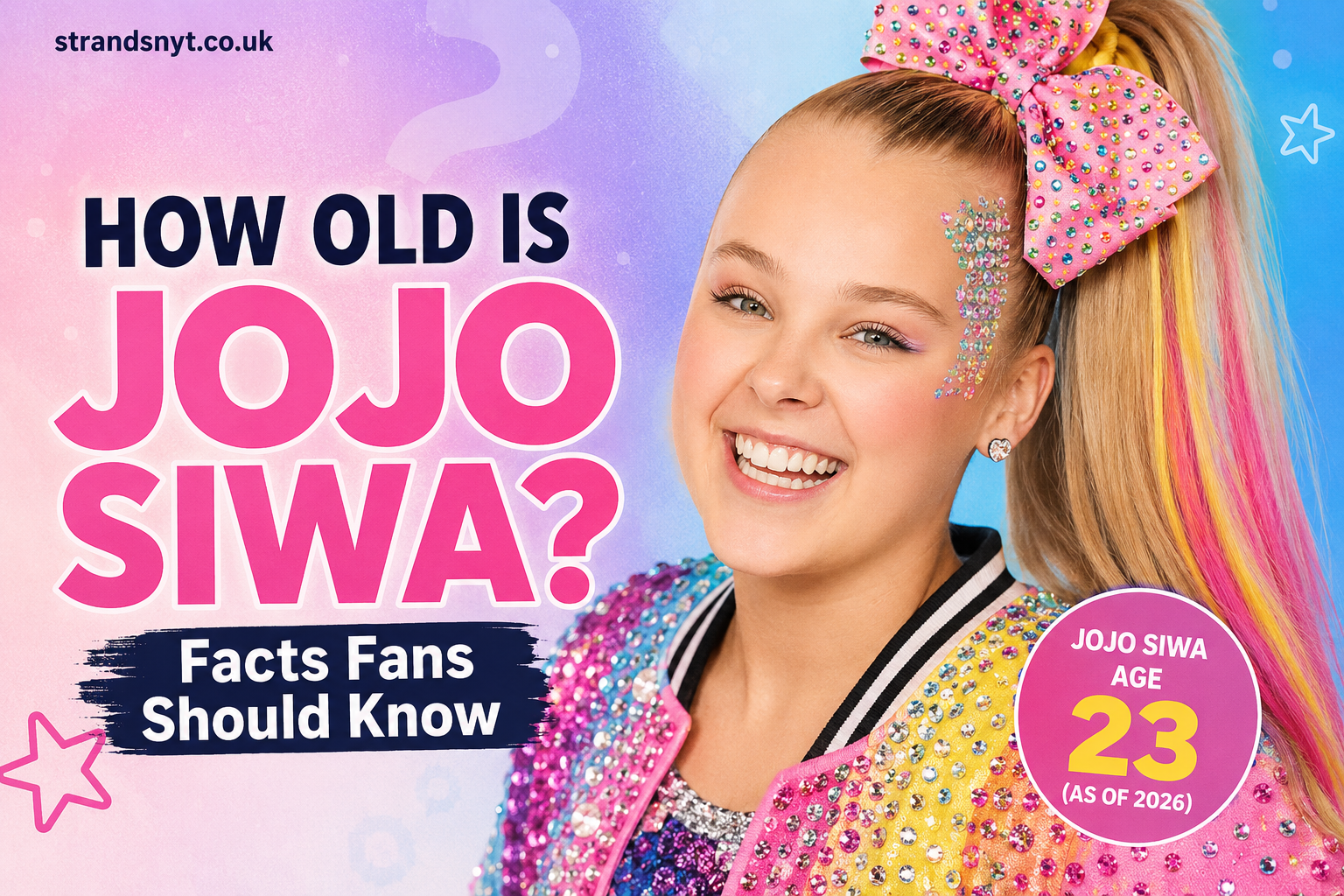
How Old Is JoJo Siwa? Facts Fans Should Know
JoJo Siwa is one of those stars who feels like she has been famous forever. One minute, she was the bubbly kid with a giant bow on Dance Moms. The next, she was selling out tours, building a colorful empire, and growing into a bold young adult artist with a completely new image. That kind of public transformation makes one question pop up again and again: how old is JoJo Siwa?
The answer is simple, but her story is anything but ordinary. JoJo Siwa was born on May 19, 2003, which makes her 23 years old as of May 21, 2026. Her full name is Joelle Joanie Siwa, and she was born in Omaha, Nebraska. Multiple public biography sources list her birth date as May 19, 2003.
But age alone does not explain why JoJo Siwa became such a huge name. Plenty of people become famous young. Very few manage to turn childhood fame into a brand, a music career, a social media following, a business identity, and a full-on pop culture conversation.
So, let’s look at her age, early life, career growth, major achievements, personal brand, and the facts fans should know.
JoJo Siwa BIO
| Detail | Information |
|---|---|
| Full Name | Joelle Joanie Siwa |
| Date of Birth | May 19, 2003 |
| Age | 23 years old as of May 21, 2026 |
| Profession | Singer, dancer, actress, YouTuber, media personality |
| Nationality | American |
| Net Worth Approx. | Common online estimates vary, often around multi-million-dollar figures |
| Notable Works / Achievements | Dance Moms, “Boomerang,” Nickelodeon projects, The J Team, Dancing with the Stars, Time 100 recognition |
How Old Is JoJo Siwa Right Now?
JoJo Siwa is 23 years old. She celebrated her 23rd birthday on May 19, 2026.
That number surprises some fans because JoJo Siwa entered the spotlight at such a young age. Many people still remember her as the energetic girl with sparkly outfits, loud bows, and unstoppable confidence. However, she has grown up in front of the camera, which makes her age feel almost confusing to longtime viewers.
In a way, JoJo Siwa’s age is part of what makes her career interesting. At just 23, she has already experienced several career phases:
- Reality TV dancer
- Nickelodeon star
- YouTube personality
- Music artist
- Merchandise brand
- LGBTQ+ public figure
- Adult pop performer
- Television personality
That is a lot of reinvention before the age of 25.
Who Is JoJo Siwa?
JoJo Siwa is an American entertainer best known for her dance background, bold fashion, catchy music, and colorful public image. She first gained attention through dance reality shows, especially Dance Moms, where her personality stood out almost immediately.
Even as a child, JoJo Siwa had a strong sense of identity. She was loud, bright, confident, and impossible to ignore. Some viewers loved that energy right away. Others thought she was too much. However, that “too much” quality became her superpower.
Instead of trying to blend in, JoJo Siwa built a career around standing out.
Her signature bows became more than accessories. They became part of her brand. Her music, especially “Boomerang,” connected with young fans because it carried a simple but powerful message about staying strong against negativity. Her YouTube content gave fans a closer look at her life, personality, home, family, and behind-the-scenes moments.
Over time, JoJo Siwa became more than a child star. She became a business.
JoJo Siwa’s Early Life and Family Background
JoJo Siwa was born in Omaha, Nebraska. Her mother, Jessalynn Siwa, has a dance background, while her father, Tom Siwa, is known as a chiropractor in public biographies. JoJo also has an older brother named Jayden.
Her dance journey started early. Unlike many kids who treat dance as a hobby, JoJo Siwa seemed built for performance. She had stage presence, confidence, and a natural ability to grab attention.
Before she became a household name, she appeared on Abby’s Ultimate Dance Competition. That gave her an early taste of television, pressure, judging, competition, and public feedback. For a child performer, that is not easy. Yet JoJo Siwa handled it with the kind of confidence that later became her trademark.
Her early career also shows why she connected with fans so strongly. She was not presented as quiet or polished in the traditional way. She was expressive, dramatic, playful, and bold. Kids saw someone who did not apologize for being different.
How JoJo Siwa Became Famous
JoJo Siwa’s rise did not happen overnight, even if it may look that way from the outside. Her fame grew through a mix of talent, timing, personality, and smart branding.
Dance Moms Changed Everything
For many fans, Dance Moms was the first place they saw JoJo Siwa. The show already had a large audience, and JoJo’s personality fit reality TV perfectly. She was expressive, competitive, and memorable.
On Dance Moms, JoJo Siwa appeared alongside her mother, Jessalynn. Their bond, confidence, and sometimes dramatic moments gave viewers plenty to talk about. Whether people agreed with her or not, they remembered her.
That is important in entertainment. Talent matters, of course, but being memorable matters too.
The Power of the JoJo Bow
One of the smartest parts of JoJo Siwa’s brand was her signature hair bow. At first, it looked like a fun style choice. Soon, it became a symbol.
Young fans wanted the bows. Parents recognized them. Stores sold them. Schools even discussed them because they became so popular among kids.
The bow helped JoJo Siwa stand apart from other young entertainers. It gave her a visual identity that was easy to remember. In marketing, that is gold.
YouTube Helped Her Stay Close to Fans
JoJo Siwa also understood the power of YouTube. Instead of relying only on television, she used digital platforms to connect with fans directly.
Her videos often showed her bright personality, colorful home, energetic routines, family moments, and fun challenges. This made her feel accessible. Fans did not just watch JoJo Siwa perform. They felt like they knew her.
That connection helped her build a loyal audience.
JoJo Siwa’s Music Career
Music played a major role in turning JoJo Siwa into a wider entertainment brand. Her song “Boomerang” became one of her most famous releases. The track focused on bullying, confidence, and bouncing back from negativity.
For young fans, the message was easy to understand. For parents, it felt safe and positive. For JoJo Siwa, it helped prove she could move beyond dance reality TV.
Why “Boomerang” Worked So Well
“Boomerang” worked because it matched JoJo Siwa’s image perfectly. It was colorful, energetic, simple, and motivational. The song’s theme also reflected the kind of message her fans needed.
Many young people deal with teasing, online comments, or feeling different. JoJo Siwa offered a loud, fun answer: keep going anyway.
That message became a big part of her brand.
From Kid-Friendly Music to Adult Reinvention
As JoJo Siwa got older, her music and image naturally began to change. This shift has not always been smooth, and that is normal. Growing up in public is hard, especially when millions of people remember you as a child star.
Her adult-era music and styling have sparked debate, but they also show her desire to evolve. JoJo Siwa is not trying to stay frozen in the bow-wearing era forever. She wants to be seen as an adult performer.
That transition can be risky, but it is also necessary for long-term success.
JoJo Siwa’s Career Timeline
| Year | Career Moment |
|---|---|
| 2003 | JoJo Siwa was born in Omaha, Nebraska |
| 2013 | Appeared on Abby’s Ultimate Dance Competition |
| 2015 | Joined Dance Moms and gained wider fame |
| 2016 | Released “Boomerang” |
| 2017 | Built a major partnership with Nickelodeon |
| 2020 | Named in Time’s influential people list |
| 2021 | Competed on Dancing with the Stars |
| 2021 | Starred in The J Team |
| 2024 | Entered a more adult music era |
| 2026 | Continued evolving her public image |
Why Fans Still Search JoJo Siwa’s Age
People search “how old is JoJo Siwa” because her public image has changed so much. Fans who watched her as a child now see her as an adult, and that contrast creates curiosity.
There are a few reasons her age gets so much attention.
She Grew Up on Camera
JoJo Siwa did not become famous after becoming an adult. She became famous while she was still growing up. Viewers watched her childhood, teen years, and young adult years unfold publicly.
That makes people feel connected to her timeline.
Her Image Changed Dramatically
The colorful bows, glitter jackets, and kid-friendly music made JoJo Siwa a symbol of childhood confidence. Later, her darker outfits, adult music direction, and bold performances showed a very different side.
Because of that, fans often wonder how old she actually is.
She Has Achieved a Lot at a Young Age
At 23, JoJo Siwa has already built a career that includes television, music, merchandise, social media, touring, acting, and public advocacy. That makes her age feel even more impressive.
JoJo Siwa and Nickelodeon
Nickelodeon played a huge role in JoJo Siwa’s mainstream success. Her partnership with the network helped bring her brand to a younger audience in a polished, family-friendly way.
Through Nickelodeon, JoJo Siwa appeared in shows, specials, and film projects. She also reached viewers who may not have watched Dance Moms or followed her YouTube channel.
This period strengthened her image as a kid-friendly star. It also helped turn her into a recognizable name for families, not just dance fans.
JoJo Siwa as a Business Brand
One thing fans sometimes overlook is how smart JoJo Siwa’s branding was. Her career was never just about music or dance. It was about building a full lifestyle identity.
Her brand included:
- Hair bows
- Clothes
- Accessories
- Toys
- Room decor
- Concert tours
- YouTube videos
- Music videos
- TV appearances
- Social media content
This made JoJo Siwa more than a performer. She became a product ecosystem. Kids could listen to her songs, watch her videos, wear her bows, buy her merch, and decorate their rooms with her style.
That kind of brand power is rare.
JoJo Siwa’s Net Worth
JoJo Siwa’s exact net worth is not publicly confirmed, and celebrity net worth figures often vary from site to site. However, many entertainment and finance-style outlets commonly estimate that she is worth several million dollars.
That estimate makes sense when you consider her income sources. JoJo Siwa has earned money through music, television, merchandise, touring, social media, brand partnerships, and other entertainment projects.
Her business success is especially impressive because much of it started when she was very young.
JoJo Siwa’s Biggest Achievements
JoJo Siwa has reached several major milestones in her career. Some are obvious, while others show just how much influence she has had on pop culture.
Major JoJo Siwa Achievements
- Became a standout star on Dance Moms
- Built a massive youth fanbase
- Released the viral hit “Boomerang”
- Created one of the most recognizable bow brands
- Partnered with Nickelodeon
- Starred in The J Team
- Competed on Dancing with the Stars
- Became part of the first same-sex dance pairing on the show
- Earned recognition from major media outlets
- Reinvented her image as a young adult performer
These achievements show why JoJo Siwa remains relevant. She knows how to create attention, but she also knows how to keep moving.
JoJo Siwa’s Personal Growth
JoJo Siwa’s personal growth has been just as public as her career. She has spoken openly about identity, self-expression, confidence, and change. For many fans, that honesty matters.
Growing up is already complicated. Growing up while millions of people comment on your style, relationships, music, and personality is even harder.
Yet JoJo Siwa has continued to present herself with confidence. She has made bold choices, faced criticism, and kept going.
That resilience is one reason fans continue to follow her.
Why JoJo Siwa Connects With Fans
JoJo Siwa connects with fans because she feels real, even when her style is theatrical. She has never been the quiet celebrity type. She laughs loudly, dresses boldly, speaks directly, and shows emotion.
That kind of personality can be polarizing, but it is also powerful.
Fans admire JoJo Siwa because she represents:
- Confidence
- Self-expression
- Hard work
- Resilience
- Creativity
- Reinvention
- Individuality
She gives people permission to be loud, colorful, and different. That message has always been at the center of her appeal.
Interesting Facts About JoJo Siwa
1. JoJo Siwa’s Real Name Is Joelle
Many fans know her as JoJo Siwa, but her full name is Joelle Joanie Siwa. “JoJo” became the stage name that helped shape her public identity.
2. She Started Performing Very Young
JoJo Siwa was involved in dance and performance from an early age. Her childhood was filled with training, competitions, and entertainment opportunities.
3. Her Bow Became a Cultural Symbol
The JoJo bow was not just a fashion item. It became a major part of her brand and a symbol of her early career.
4. She Has a Strong Social Media Presence
JoJo Siwa built a huge online following through YouTube, TikTok, Instagram, and other platforms. Her digital presence helped her stay connected to fans beyond television.
5. She Has Reinvented Herself
Many child stars struggle to move into adulthood. JoJo Siwa has faced that challenge directly by changing her music, fashion, and public image.
JoJo Siwa’s Style Evolution
JoJo Siwa’s style has changed more than almost anything else about her public image. Early in her career, she was known for rainbow colors, glitter, sequins, bows, and high-energy outfits.
That style matched her audience at the time. It was fun, bright, and easy for kids to copy.
As she got older, however, JoJo Siwa began experimenting with darker looks, sharper fashion, and more mature performance outfits. Some fans loved it. Some were shocked. But honestly, that reaction was expected.
When a celebrity grows up in public, people often want them to stay the same. JoJo Siwa seems determined not to do that.
Is JoJo Siwa Still Popular?
Yes, JoJo Siwa is still popular, although her audience and image have changed. She may not be the same type of star she was during her bow-and-glitter era, but she remains highly discussed.
In fact, her reinvention keeps her in the conversation. Whether people are praising her, questioning her choices, or debating her music, they are still paying attention.
That is a sign of relevance.
What Makes JoJo Siwa Different From Other Young Stars?
JoJo Siwa stands out because she built such a clear identity early on. Many young entertainers are talented, but not all of them create a brand that people instantly recognize.
With JoJo Siwa, everything was recognizable:
- The bow
- The bright colors
- The high ponytail
- The confidence
- The positive message
- The energetic music
- The larger-than-life personality
Later, when she changed her image, people noticed because the original brand was so strong.
That is both a blessing and a challenge. A strong brand can make someone famous, but it can also make reinvention harder. JoJo Siwa is living through that process in real time.
JoJo Siwa’s Impact on Pop Culture
JoJo Siwa’s impact goes beyond songs and TV appearances. She influenced children’s fashion, youth merchandise, social media branding, and conversations about growing up as a public figure.
Her early success showed how a young performer could use television, YouTube, music, and products together. She became a blueprint for modern child-star branding.
In addition, her openness about identity gave many young fans someone visible to look up to. That does not mean every fan agrees with every choice she makes. However, visibility matters, and JoJo Siwa has been willing to be seen.
Final Thoughts on JoJo Siwa’s Age and Career
So, how old is JoJo Siwa? JoJo Siwa is 23 years old as of May 21, 2026. She was born on May 19, 2003, in Omaha, Nebraska.
But her age is only one part of the story. What makes JoJo Siwa fascinating is how much she has already done. She went from a young dancer on reality TV to a global youth brand, a music performer, a social media figure, and now a young adult artist trying to define her next chapter.
JoJo Siwa’s journey has been colorful, messy, brave, and impossible to ignore. She has faced criticism, changed her image, grown in public, and continued to move forward. That is not easy, especially when fans feel like they have watched every stage of your life.
Whether you know her from Dance Moms, “Boomerang,” Nickelodeon, YouTube, or her newer music era, one thing is clear: JoJo Siwa knows how to keep people talking.
And at just 23, her story is still being written.
What do you think about JoJo Siwa’s transformation over the years? Share your thoughts, because her next chapter may be even more surprising than the last.

10 Facts About Wonder Woman Every Fan Should Kno

Aretha Franklin First Husband: The Untold Story

How Old Is JoJo Siwa? Facts Fans Should Know

Who Is Alex Karp Wife? Private Life of Palantir CEO

Melanie Zanona Salary, Career Growth & Net Worth Revealed

How to Make Slime: The Ultimate DIY Guide for Kids and Adults
-
 Business11 months ago
Who Is Alex Karp Wife? Private Life of Palantir CEO
-
 Celebrity10 months ago
Melanie Zanona Salary, Career Growth & Net Worth Revealed
-
 Lifestyle12 months ago
How to Make Slime: The Ultimate DIY Guide for Kids and Adults
-

 Business11 months ago
Rahki Giovanni Net Worth: Income, Fitness, and Success
-

 Nature11 months ago
Fascinating World of Facts: A Journey Through Datos Curiosos
-

 Celebrity12 months ago
Who Is Drew Pritchard New Wife? Inside the Antique Star’s Private Love Life
-

 Entertainment12 months ago
Strands NYT: Unraveling the Digital Threads of a New Online Trend
-

 Entertainment9 months ago
Adam Woodyatt Net Worth Revealed: Career, Income & Assets