
Celebrity
Caleb Emmerdale: Character Breakdown & Timeline


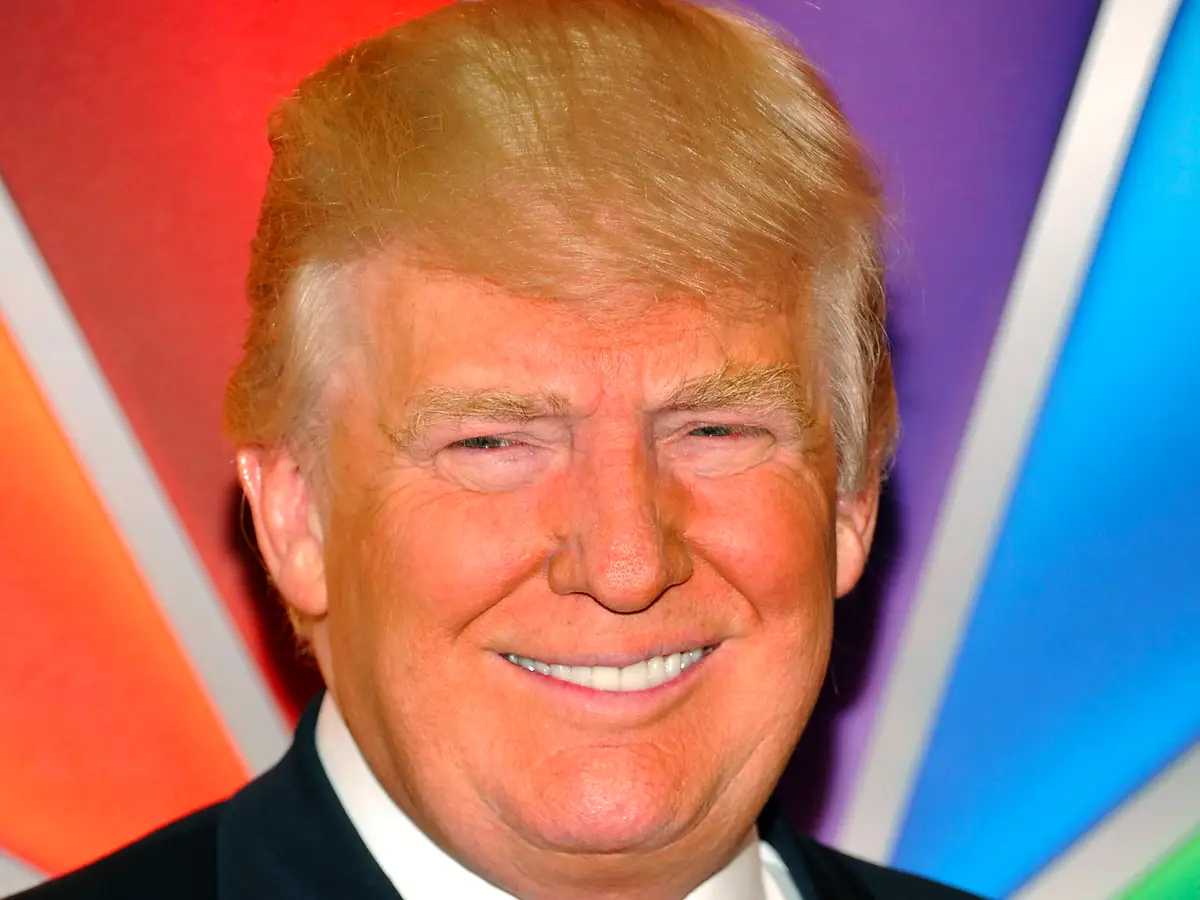
Why Is Trump Orange? The Science Explained
Ask almost anyone who has watched television over the past decade this simple question — why is Trump orange? — and you’ll get an immediate reaction. It’s one of those observations that seems obvious, almost universal. Yet as with many things related to public figures, the surface perception isn’t the whole story.
The phrase Trump orange has become shorthand in media and conversation for a particular skin tone that looks distinctly warm, coppery, and sometimes artificial. But what exactly causes this look? Is it just makeup? Or are there deeper biological and environmental factors at work?
In this article, we explore the science behind why Trump orange appears the way it does, breaking down the factors that influence skin tone, how lighting and cameras affect perception, and the role of cosmetic products in creating or enhancing color. Importantly, we’ll approach this topic with nuance and sensitivity, recognizing that people’s appearances are influenced by a complex mix of science, technology, and individual choice.
Quick Bio: The Individual Behind the Question
| Full Name | Donald John Trump |
|---|---|
| Date of Birth | June 14, 1946 |
| Age | 78 (as of 2025) |
| Profession | Businessman, Television Personality, 45th US President |
| Nationality | American |
| Net Worth (approx.) | $2.5–3.5 billion |
| Notable Works / Achievements | Real Estate Development, The Apprentice, 45th President of the US |
Donald Trump’s public image has been shaped by his business career, television appearances, and highly visible political life. His physical appearance — including what many describe as Trump orange skin tone — became part of the broader cultural conversation.
What People Mean by “Trump Orange”
Let’s start by clarifying the term. When observers describe someone as Trump orange, they are referring to skin that appears:
-
Warm-toned or coppery
-
Relatively uniform in color
-
Slightly brighter than natural skin tones
-
Sometimes contrasting with natural hair or eye color
This perception isn’t unique to one individual — many public figures, athletes, and performers have distinct skin presentations that differ from everyday appearance under natural light.
To understand why this happens, we need to unpack how skin tone works and how it changes under various conditions.
How Human Skin Tone Works
Human skin color is primarily determined by melanin — a pigment produced by cells called melanocytes. Melanin exists in two primary forms:
-
Eumelanin: Darker pigment, common in brown and black skin tones
-
Pheomelanin: Lighter pigment, often seen in red and blond hair; can result in peachier tones
The relative amounts of these pigments, along with depth and distribution in the skin, create a spectrum of natural skin tones. Genetics plays the largest role, but other factors influence appearance too.
Key Influences on Skin Tone
-
Genetics
Your baseline skin tone is determined by inherited genes. -
Sun Exposure
UV radiation increases melanin production, leading to tanning. -
Age
As skin ages, pigment distribution and skin texture change. -
Health and Hydration
Blood flow, hydration, and general health can subtly shift tone. -
Cosmetic Products
Makeup, self-tanners, bronzers, and foundation change appearance. -
Lighting and Cameras
Artificial lighting and camera settings can exaggerate or alter tone.
To understand why Trump orange looks the way it does, we must consider all these variables together.
The Role of Sun Exposure and Tanning
A straightforward explanation for a warmer skin tone is sun exposure. When skin is exposed to sunlight, it produces more melanin to protect deeper layers from UV damage. This results in a tan — a natural darkening of skin color.
However, natural tan tends to vary in depth across different parts of the body and usually appears more pronounced in areas like the shoulders, arms, and face. It often has subtle variations and undertones, such as olive, bronze, or deep gold.
What people describe as Trump orange frequently appears more uniform and saturated than a typical tan. That suggests something beyond simple sun exposure.
How Cosmetics and Self-Tanners Affect Appearance
One of the most common explanations behind the Trump orange perception involves cosmetic products. This includes:
-
Bronzing powders
-
Tinted moisturizers
-
Self-tanning lotions and sprays
-
Foundation with warm undertones
Self-tanners work by depositing a chemical called DHA (dihydroxyacetone) onto the skin. DHA interacts with amino acids in the outermost layer, creating a brownish pigment that mimics a tan.
However, depending on the formulation and lighting conditions, DHA can produce tones that skew orange or copper rather than natural bronze — especially under indoor lighting or flash photography.
Top reasons cosmetic products can lead to an orange look include:
-
Undertone mismatch: Products designed for one skin undertone applied on another can finish warmer.
-
High DHA concentration: Stronger formulas produce deeper color, which under artificial light may look more saturated.
-
Layering of products: Multiple layers of bronzer, foundation, and powder can amplify warmth.
It’s worth noting that professional makeup artists tailor color to the individual under specific lighting conditions. Without that calibration, product tones can appear different on camera than they do in person.
Lighting and Camera Effects
We’ve all adjusted how we look in a photograph by changing lighting. Bright, warm light boosts warmth in skin, while cool light softens tone. High-definition cameras and studio lights can exaggerate skin tones that might look subtle in person.
Several technical factors influence how skin appears on camera:
-
White balance settings: Cameras adjust color temperature, which affects how warm or cool tones appear.
-
Incandescent lighting: Tends to be warmer, boosting red and orange hues.
-
LED and fluorescent lighting: Can shift tones in unpredictable ways.
-
Post-processing filters: Professional broadcasts may tweak color balance for aesthetic reasons.
Taken together, these elements can make a warm bronzed complexion appear even warmer, leading to what many describe as Trump orange in photos and video.
Psychological Perception and Memory
There’s another layer to this topic that has less to do with science and more to do with how humans remember faces. People tend to notice and remember unique visual traits — particularly in public figures who appear often in media.
Two psychological processes amplify this:
-
The Availability Heuristic
We recall vivid images more easily. If certain visuals stick in memory — like a warm skin tone on TV — they feel more prevalent than they might actually be. -
Contrast Effects
A skin tone that stands out against surroundings or hair color becomes more memorable. Our brains may accentuate those differences in recollection.
In other words, people may remember a particularly warm or orange appearance because it was repeatedly seen in media under specific lighting, not because that warmth reflects an everyday look.
Clothing and Contrast
You might wonder why Trump orange appears more noticeable in certain outfits or settings. Contrast plays a key role. Warm skin tones look different when paired with cool colors like blue or gray compared to warm tones like red or gold.
On television, suits and backgrounds are carefully chosen to optimize on-screen presence, but they can unintentionally intensify perceived skin warmth.
For example:
-
A navy blue backdrop makes warm skin tones stand out.
-
Bright studio lights reflect off shiny surfaces, influencing perceived hue.
-
Neutral makeup, if applied unevenly, can read differently under varied lighting.
Therefore, the environment around a person can amplify or soften how their skin tone reads visually.
Health, Diet, and Skin Appearance
While there’s no single dietary factor that turns anyone a distinct color, certain foods and supplements can influence skin tone subtly over time. For example, beta-carotene — found in carrots, sweet potatoes, and pumpkins — can lead to a slight golden hue when consumed in large quantities. This condition, called carotenemia, isn’t dangerous but can shift skin tone toward warmer shades.
However, carotenemia usually presents as a diffuse orange tint across palms and soles, and it’s not typically associated with public figures without medical context. More importantly, it’s a reminder that lifestyle factors like diet and hydration can subtly affect complexion.
As people age, the epidermis (outer skin layer) thins, and blood flow shifts can make warm undertones appear more pronounced. These natural aging processes interact with other variables like lighting and cosmetics.
What the Science Doesn’t Support
It’s crucial to separate evidence-based explanations from myths and speculation. Here’s what science does not show:
-
There is no biological mechanism that permanently alters skin receptors to produce a consistent artificial hue.
-
Temporary tan or cosmetic products can influence appearance, but they don’t change underlying skin structure.
-
Social media narratives are not reliable scientific evidence.
The science behind skin tone and perception is grounded in dermatology, optics, and psychology — not in dramatized descriptions or exaggerated characterizations.
Why This Topic Captures Attention
The popularity of the question “why is Trump orange?” reveals something deeper about how we engage with visual imagery of public figures. People are naturally curious about appearances, and when something seems distinctive or unusual, it invites explanation.
Important reasons this topic resonates include:
-
Repeated media exposure increases familiarity with a specific look.
-
Visual differences create memorable impressions.
-
Conversations about appearance often intersect with cultural and political narratives.
But the science behind Trump orange isn’t about mockery. It’s about understanding how skin tone, lighting, cosmetics, and perception intersect in televised and photographed environments.
A Balanced Perspective
Describing someone’s appearance should always balance observation with respect. Skin tone — whether warm, cool, olive, or otherwise — is just one aspect of human diversity.
From a scientific standpoint, discussing why Trump orange appears as it does is an exercise in color science, dermatology, and media studies. It isn’t a value judgment, and it shouldn’t overshadow the real achievements, personality, or complexities of the individual in question.
Key Takeaways
Here’s a summary of the main factors behind Trump orange:
-
Human skin tone is influenced by melanin, genetics, and sun exposure.
-
Cosmetic products like bronzers and self-tanners can shift appearance.
-
Lighting and camera settings have a powerful effect on perceived color.
-
Psychological perception and environmental contrast affect memory.
-
Scientific explanations rely on dermatology and optics, not exaggeration.
Understanding these elements helps demystify why certain skin tones appear more vibrant on camera than they do in everyday life.
Conclusion: Appreciating Appearance Through Science
Why is Trump orange? The real answer lies not in a single cause, but in a combination of biological, environmental, and technological factors that shape how we see skin tone in media.
From pigment science to lighting intricacies, the appearance of skin color on screen is a rich topic that blends physiology, optics, and human perception. Next time you notice a warm tone on television or in photos, remember that what you see is the product of many interacting influences.
If you found this explanation insightful, share your thoughts on how media and perception shape our understanding of public figures — and maybe consider how your own environment changes how you look in photographs.
Ian Wright Net Worth 2026: How Much Is the Legend Worth?
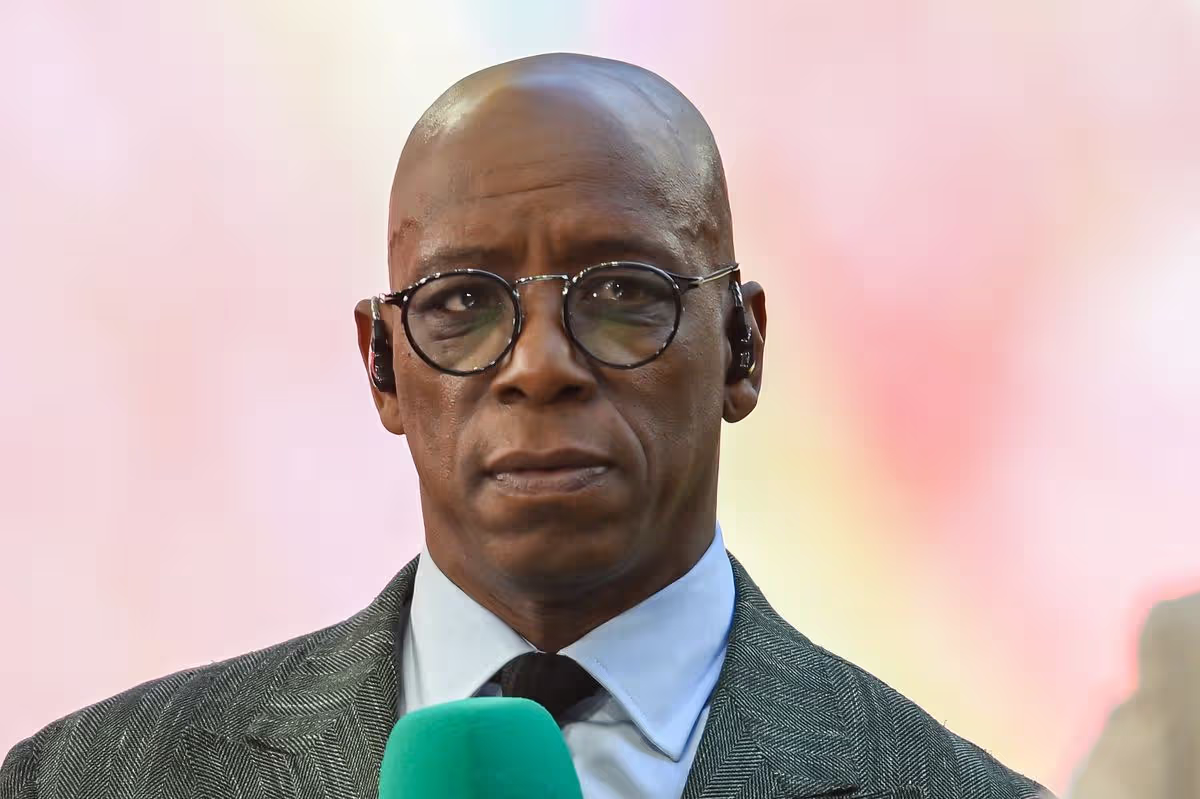
There’s something about genuine, heartfelt success stories that always grab attention — especially when they involve legends of the beautiful game like Ian Wright. For decades, fans have wondered not just how much money he has, but how he built his fortune, where his passion for football took him, and why he still matters in sport today. The question Ian Wright net worth isn’t just about a number — it’s about a journey from streets of London to football stardom, broadcasting fame, and long‑lasting influence.
Sometimes, these stories get told in numbers alone, and that’s a shame. Because behind every million is a moment — a choice, an opportunity seized, a setback overcome. In this extensive look at Wright’s financial legacy in 2026, I’m going to explore not only his estimated net worth but also the career milestones, business ventures, endorsements, post‑retirement roles, and personal growth that shaped his success.
Before we jump into figures — let’s ground ourselves with the basics about the man at the center of it all.
Quick Bio: Ian Wright at a Glance
| Full Name | Ian Edward Wright |
|---|---|
| Date of Birth | November 3, 1963 |
| Age | 62 (in 2026) |
| Profession | Former Footballer, Sports Analyst, TV Personality |
| Nationality | English |
| Net Worth (approx.) | $22 million – $28 million (estimated) |
| Notable Works / Achievements | Arsenal Legend, England Caps, Football Pundit |
Introduction: Why Ian Wright Net Worth Still Matters
Imagine walking onto a pitch where every supporter knows your name, every commentator recognizes your enthusiasm, and every young player dreams of emulating your rise. That was Ian Wright’s reality. Long before punditry deals, social media presence, and post‑career brand collaborations, Wright carved out his reputation through sheer talent and tenacity.
By the time he retired from top‑flight football, he wasn’t just known for goals — he was admired for resilience. Many athletes see their net worth in terms of salary alone, but Wright’s story is different. It’s about impact — cultural impact, sporting legacy, and an ability to reinvent himself in ways few former players manage.
If you want the raw figures, yes, we’ll get there. But first, let’s appreciate the man whose name still resonates with fans across generations.
The Early Days: From South London to Football Stardom
To understand Ian Wright net worth, you must first understand where he began. Born and raised in London, his early life was shaped by community football, Sunday league passion, and a deep hunger to succeed.
Wright didn’t start in elite youth academies. He was playing local football while juggling work and family responsibilities. That’s one reason his later achievements feel so authentic — they weren’t handed to him, they were earned.
Eventually, his talent caught the eye of scouts, and he began ascending through the ranks of English football. From humble beginnings to professional striker, each goal, each tackle, and each match added not only to his reputation, but slowly, to his growing financial stability.
The Football Career That Built Wealth
There’s no mistaking that Wright’s football career — particularly his time at Arsenal — forms the foundation of his net worth today. In an era before hyper‑inflated salaries and billion‑dollar transfers, Wright earned respect and solid paydays.
Here’s an overview of how his playing career contributed to Ian Wright net worth:
Professional Clubs and Earnings
-
Crystal Palace: Early professional years, breakthrough performances
-
Arsenal FC: His most iconic period — club legend status
-
West Ham & Beyond: Later career chapters adding experience and visibility
During his peak seasons, goals translated directly to value — both on the pitch and in contract negotiations. Moreover, Wright’s consistency made him a desirable figure for sponsors, interview panels, and promotional events later in life.
While wage figures from the ’80s and ’90s can’t compare to today’s astronomical contracts, Wright still earned well above average earnings for his era — earnings that helped him invest in his future.
Post‑Retirement Roles and Financial Growth
Retirement for some athletes means fading into obscurity. Not for Ian Wright.
Almost immediately after hanging up his boots, he transitioned into media and analysis — a pivot that boosted his net worth considerably and broadened his personal brand.
Broadcasting and Media Presence
-
Premier League pundit on major sports networks
-
Radio host and football commentator
-
Guest appearances on talk shows and documentaries
These roles didn’t just pay; they kept him relevant and visible. Moreover, with every análisis he delivered and every debate he joined, Wright enhanced his reputation as a trusted voice in football.
He didn’t just rely on past glory — he kept earning respect and income through expertise, personality, and a deep love for the game.
Business Ventures and Endorsements
Beyond football and media, Wright has dipped into business and endorsement deals — another layer in the puzzle of Ian Wright net worth.
Here are some areas where additional earnings have come from:
-
Brand collaborations in sports apparel and lifestyle sectors
-
Public speaking engagements
-
Autobiography and publishing royalties
-
Football clinics and youth development programs
-
Commercial appearances and sponsorships
None of these alone would make headlines, but collectively, they build a diversified income stream that contributes to his overall wealth and financial security.
Key Factors That Influence Ian Wright Net Worth in 2026
Curious about what drives his estimated net worth today? Let’s break it down into core components:
1. Career Earnings
Wright’s long tenure as a professional footballer established a baseline income that many athletes never achieve.
2. Media and Broadcasting
This remains one of his top income sources, and it’s a career he still actively pursues.
3. Public Image and Brand Value
As someone known for authenticity and candid analysis, Wright has maintained public trust — a currency in itself that translates to earnings.
4. Investments and Business Interests
From books to speaking engagements, he’s capitalized on his experience in multiple ways.
5. Legacy Value
His status as an Arsenal legend and national figure continues to open doors that impact his net worth indirectly.
Comparisons: How His Wealth Stands vs. Other Legends
When discussing Ian Wright net worth, it’s interesting to compare his financial standing with peers and successors. Some players amass hundreds of millions through modern contracts, NFTs, and global sponsorships. Wright’s era was different — and that’s an important context.
Nevertheless, his ability to convert sporting success into long‑term income shows financial savvy beyond pure athletic talent.
What the Numbers Suggest: Estimated Net Worth Range
As of 2026, financial analysts and celebrity wealth trackers estimate Ian Wright’s net worth to be in the range of $22 million to $28 million. This reflects:
-
Past earnings from football contracts
-
Ongoing media salaries
-
Earnings from endorsements and business projects
-
Residual income from books, appearances, and events
Remember, these are estimates — not audited figures — but they’re grounded in observable income streams common for sports figures of his caliber.
Lessons From Wright’s Financial Journey
Beyond the profile of a famous athlete, there’s a lot we can learn from how Ian Wright built and sustained wealth:
-
Adaptability matters: Transitioning careers smoothly adds longevity to earning power.
-
Reputation is currency: A trusted voice keeps doors open long after retirement.
-
Diversify income: Multiple earnings streams protect against unpredictability.
-
Stay relevant: Engagement with fans and the community bolsters personal brand.
This isn’t a story about quick riches — it’s about thoughtful growth, resilience, and longevity.
Final Thoughts: Legacy, Wealth, and Influence
So, how much is Ian Wright worth in 2026? The numbers point to a comfortable multi‑million‑dollar range, but that figure only tells part of the story. His true worth is measured in goals that inspired, punditry that influenced conversations, and a life lived with passion for the sport he loves.
Whether you’re here because you’re curious about celebrity finances or because you grew up watching Wright score decisive goals, there’s one thing that stands out: his legacy transcends balance sheets.
If this deep dive into Ian Wright net worth sparked your interest, feel free to share your perspective or comment below. How do you think his financial journey compares to today’s stars? And what aspect of his career inspires you most?
Let’s continue the conversation.


Caleb Emmerdale: Character Breakdown & Timeline

Why Is Trump Orange? The Science Explained

Ian Wright Net Worth 2026: How Much Is the Legend Worth?

Who Is Alex Karp Wife? Private Life of Palantir CEO

How to Make Slime: The Ultimate DIY Guide for Kids and Adults

Melanie Zanona Salary, Career Growth & Net Worth Revealed
-
 Business8 months ago
Who Is Alex Karp Wife? Private Life of Palantir CEO
-
 Lifestyle9 months ago
How to Make Slime: The Ultimate DIY Guide for Kids and Adults
-
 Celebrity7 months ago
Melanie Zanona Salary, Career Growth & Net Worth Revealed
-

 Nature8 months ago
Fascinating World of Facts: A Journey Through Datos Curiosos
-

 Business8 months ago
Rahki Giovanni Net Worth: Income, Fitness, and Success
-

 Celebrity9 months ago
Who Is Drew Pritchard New Wife? Inside the Antique Star’s Private Love Life
-

 Entertainment9 months ago
Strands NYT: Unraveling the Digital Threads of a New Online Trend
-
 Lifestyle8 months ago
Ed Henry Biography, Career, Controversies & Personal Life