
Celebrity
Jelly Roll Story: From Struggle to Stardom


Jelly Roll Story: From Struggle to Stardom
There are artists who rise through music schools, industry connections, and polished beginnings. Then there is Jelly Roll, whose journey feels completely different. His story is not polished, not predictable, and definitely not easy to summarize in a single sentence.
The Jelly Roll story is one of the most talked-about modern music transformations because it blends pain, redemption, street reality, and eventual success in a way that feels deeply human. Fans don’t just listen to his music—they feel it.
What makes Jelly Roll stand out is not only his voice or genre-blending style, but the honesty behind everything he creates. He doesn’t hide his past. Instead, he uses it as fuel.
And that is exactly why the Jelly Roll story continues to inspire millions.
Who Is Jelly Roll?
Before understanding the full Jelly Roll story, it’s important to know who he is.
Jelly Roll is an American singer, rapper, and songwriter known for mixing country, hip-hop, and rock influences. His music often reflects real-life struggles, emotional battles, and personal transformation.
Unlike many mainstream artists, Jelly Roll built his career from the ground up. He didn’t start in luxury studios or elite music circles. Instead, his journey began in environments shaped by hardship, survival, and survival instincts.
That raw authenticity is what makes his story powerful.
Early Life and Struggles
The early part of the Jelly Roll story is shaped by instability and emotional challenges. Growing up, he faced difficult circumstances that influenced his later decisions and lifestyle.
Like many young people in tough environments, he found himself surrounded by:
- Financial struggles
- Legal trouble
- Unstable surroundings
- Emotional pressure
- Exposure to crime
- Lack of guidance
- Early substance issues
These experiences didn’t define his future, but they heavily shaped his direction.
When people talk about the Jelly Roll story today, they often focus on success. But the beginning was far from glamorous.
Time in and Out of Prison
One of the most well-known parts of the Jelly Roll story is his time spent in jail during his younger years.
These experiences became a turning point in his life.
While incarcerated, he began reflecting deeply on his future. Instead of continuing the same path, he started thinking about music more seriously. Writing became an emotional outlet, allowing him to process pain and regret.
This phase of life later became a foundation for his songwriting.
Many fans connect with Jelly Roll because he doesn’t pretend his past didn’t happen. Instead, he openly shares it, making his story feel real and relatable.
Turning Point: Music as Redemption
Every transformation story has a turning point, and in the Jelly Roll story, music became that shift.
He began releasing songs independently, blending rap with emotional storytelling. His early work reflected:
- Pain
- Loss
- Addiction
- Regret
- Hope
- Recovery
- Self-awareness
Unlike mainstream polished tracks, his music felt raw and unfiltered.
This authenticity slowly built a loyal fan base.
People didn’t just listen—they related.
Rise in the Music Industry
As the Jelly Roll story progressed, his audience expanded beyond underground listeners. His emotional honesty started gaining attention across different music communities.
Eventually, he transitioned into a broader sound that included country influences, which helped him reach even wider audiences.
His rise was not overnight. It was gradual, built on years of persistence.
Key moments in his rise include:
- Independent album releases
- Viral emotional songs
- Collaborations with major artists
- Growing social media presence
- Sold-out live shows
- Cross-genre recognition
The Jelly Roll story shows that success doesn’t always follow a straight path.
Why Fans Connect Deeply With Jelly Roll
One of the most interesting aspects of the Jelly Roll story is how deeply fans connect with him.
There are several reasons:
1. Honesty About Addiction
Jelly Roll openly discusses his past struggles with addiction, which resonates with many people facing similar battles.
2. Emotional Lyrics
His songs often reflect real-life pain, healing, and reflection.
3. Relatable Personality
Despite fame, he comes across as grounded and approachable.
4. Redemption Arc
People love transformation stories, and his is one of the most authentic.
5. Genre-Blending Music
He doesn’t limit himself to one style, which widens his appeal.
All of these elements make the Jelly Roll story feel personal to many listeners.
Jelly Roll’s Music Style Evolution
The Jelly Roll story also includes artistic growth.
He started primarily in hip-hop, but over time, his sound evolved into a blend of:
- Country music
- Rap
- Rock influences
- Southern storytelling
- Acoustic emotional tracks
This genre-blending helped him stand out in a crowded music industry.
It also allowed him to express different parts of his life story through different musical styles.
Key Albums and Breakthrough Moments
Several projects played a major role in shaping the Jelly Roll story:
- Independent rap albums
- Emotional storytelling records
- Country crossover projects
- Viral singles
- Live acoustic performances
Each phase of his career reflected personal growth.
Fans often say his music feels like reading chapters of a real-life diary.
Personal Transformation and Growth
Beyond music, the Jelly Roll story is also about personal change.
Over the years, he has spoken openly about:
- Overcoming addiction
- Changing lifestyle habits
- Becoming a family-oriented person
- Focusing on mental health
- Embracing responsibility
- Learning from past mistakes
This transformation is a core part of his identity today.
He doesn’t present himself as perfect. Instead, he presents himself as evolving.
Table: Jelly Roll Bio Overview
| Detail | Information |
|---|---|
| Full Name | Jason DeFord |
| Stage Name | Jelly Roll |
| Date of Birth | December 4, 1984 |
| Age | 40 |
| Profession | Singer, Rapper, Songwriter |
| Nationality | American |
| Net Worth (approx.) | Multi-million (estimated) |
| Notable Works | Emotional albums, country-rap crossover hits |
Challenges Behind Fame
Even after success, the Jelly Roll story includes ongoing challenges.
Fame brings:
- Public scrutiny
- Emotional pressure
- Constant touring
- Personal responsibility
- Maintaining authenticity
Jelly Roll has spoken about how difficult it can be to balance success with personal well-being.
Unlike many celebrities, he remains open about his imperfections, which keeps his story grounded.
Impact on Modern Music
The Jelly Roll story has influenced modern music culture in several ways:
- Increased acceptance of genre blending
- More openness about mental health in lyrics
- Greater focus on storytelling in music
- Breaking stereotypes in country and rap audiences
- Inspiring independent artists
He has become a symbol of authenticity in an industry often driven by image.
Why the Jelly Roll Story Matters Today
The reason the Jelly Roll story resonates so strongly is simple: it feels real.
People are tired of overly polished success stories. Jelly Roll represents something different—growth through struggle.
His journey shows that:
- Your past does not define your future
- Change is possible
- Pain can become purpose
- Art can come from real experience
- Redemption is always possible
That message is powerful in today’s world.
Lessons From Jelly Roll’s Journey
The Jelly Roll story offers important life lessons:
1. Change Is Always Possible
No matter where you start, transformation is real.
2. Honesty Builds Connection
Being open about struggles creates deeper trust with audiences.
3. Consistency Matters
Success takes years, not overnight fame.
4. Pain Can Become Purpose
Life experiences can fuel creativity.
5. Authenticity Wins
People connect with real stories more than perfection.
These lessons apply far beyond music.
Conclusion
The Jelly Roll story is not just about music success—it’s about transformation, resilience, and honesty. From early struggles and time in prison to becoming a respected artist with a loyal fan base, Jelly Roll has built a career that feels deeply human.
What makes his journey powerful is not perfection, but progress. He represents the idea that change is always possible, no matter where you start.
In a world full of curated images and polished stories, the Jelly Roll story stands out because it is real, raw, and relatable.
And that is exactly why so many people continue to follow his journey today.

Menendez Brothers Now: Where Are They Today?
The story of the Lyle Menendez and Erik Menendez continues to capture public attention decades after one of the most controversial criminal trials in American history. Even today, people still search for updates using the phrase Menendez Brothers now, trying to understand where they are, what their lives look like, and whether anything has changed in their legal situation.
The case of the Menendez brothers is not just a crime story—it is a mix of family tragedy, courtroom drama, media spectacle, and long-term prison consequences. And even after all these years, curiosity around the Menendez Brothers now remains strong because the case itself never fully faded from public discussion.
So where are they today? And what is life really like for them now?
Let’s break it down in detail.
Who Are the Menendez Brothers?
Before discussing the Menendez Brothers now, it is important to understand who they are.
Lyle and Erik Menendez became widely known in the early 1990s after being convicted of murdering their parents, José and Kitty Menendez, in their Beverly Hills home in 1989. The case shocked the United States due to its wealthy setting, emotional courtroom testimony, and intense media coverage.
At the time, the brothers argued they acted after years of alleged abuse, while prosecutors claimed financial greed was the main motive.
The trial became one of the most televised legal events of its era.
The Trial That Changed Everything
The Menendez trial was not a simple legal proceeding. It became a cultural moment.
Key aspects included:
- Emotional courtroom testimonies
- Graphic details of family life
- Competing defense narratives
- Massive media attention
- Split public opinion
- Two separate trials due to mistrials
Eventually, both brothers were convicted and sentenced to life in prison without the possibility of parole.
This outcome is still central when discussing Menendez Brothers now, because it determines their current situation.
Menendez Brothers Now: Where Are They Today?
As of today, the Menendez Brothers are both serving life sentences in California state prison.
However, their exact situations differ slightly:
- Lyle Menendez is incarcerated at a California correctional facility
- Erik Menendez is also serving his sentence in a separate California prison institution
They are not free, and they are not eligible for standard parole under their original sentencing structure.
Still, interest in Menendez Brothers now continues because legal discussions and public debates about their case have never fully stopped.
Life in Prison Today
When people search Menendez Brothers now, they often want to know what daily life looks like for them.
Prison life for individuals serving long-term sentences is highly structured.
Typical routines include:
- Scheduled meals
- Limited recreational time
- Educational programs
- Counseling or therapy sessions
- Restricted communication
- Controlled visitation rights
Over the years, both brothers have reportedly engaged in educational and personal development activities while incarcerated.
However, life remains highly restricted and far from public life.
Communication Between the Brothers
One of the most emotional aspects of Menendez Brothers now is the question of whether Lyle and Erik still communicate.
For many years, they were housed separately, which limited direct contact. However, prison communication systems sometimes allow controlled interaction through letters or monitored contact depending on facility rules.
Their relationship has always been central to public curiosity, especially since their case itself was deeply rooted in family dynamics.
Public Opinion and Changing Views
Interestingly, public perception of the Menendez Brothers has shifted over time.
While initial reactions in the 1990s were largely critical, modern discussions are more divided.
Some people believe:
- The brothers were victims of severe abuse
- The sentencing was too harsh
- The case deserves reconsideration
Others maintain:
- The crime was premeditated
- The legal outcome was justified
- The case should not be reinterpreted
This ongoing debate keeps Menendez Brothers now relevant in media discussions, documentaries, and online conversations.
Media Coverage and Documentaries
The Menendez case has been revisited multiple times through:
- True crime documentaries
- Television interviews
- Court analysis programs
- Streaming platform specials
- Social media discussions
Each new production renews interest in Menendez Brothers now, especially among younger audiences who were not alive during the original trial.
These media portrayals often revisit:
- Family background
- Psychological arguments
- Legal strategies
- Courtroom reactions
- Public response
Legal Status and Parole Possibilities
One of the most frequently asked questions about Menendez Brothers now is whether they could ever be released.
Currently, they are serving life sentences without parole eligibility under their original convictions. However, legal systems can sometimes evolve through:
- Appeals
- New evidence
- Sentence reviews
- Clemency petitions
While discussions occasionally surface in legal circles, no confirmed changes have led to release.
So as of now, Menendez Brothers now still means life imprisonment.
Psychological and Behavioral Reports
Over the years, various reports and discussions have suggested that both brothers have:
- Participated in rehabilitation programs
- Expressed remorse in certain interviews or statements
- Engaged in educational efforts
- Maintained relatively stable prison conduct
However, these reports do not change their legal status but do influence public perception when discussing Menendez Brothers now.
Table: Menendez Brothers Overview
| Name | Current Status | Sentence | Location |
|---|---|---|---|
| Lyle Menendez | Incarcerated | Life without parole | California prison |
| Erik Menendez | Incarcerated | Life without parole | California prison |
Why the Case Still Fascinates People
Even decades later, Menendez Brothers now remains a trending topic because the case contains multiple layers:
1. Wealth and Crime
A wealthy Beverly Hills family adds intrigue.
2. Family Conflict
Allegations of abuse created emotional complexity.
3. Media Sensation
The trial was one of the first major televised courtroom dramas.
4. Moral Debate
People still disagree on guilt, motive, and punishment.
5. True Crime Culture
Modern audiences are deeply interested in historical criminal cases.
The Role of True Crime Media
The rise of true crime storytelling has significantly boosted interest in Menendez Brothers now.
Podcasts, documentaries, and streaming series often revisit old cases, analyzing them from modern psychological and legal perspectives.
This keeps the case alive in public memory, even decades later.
Common Misconceptions
When discussing Menendez Brothers now, several misunderstandings appear online:
- They are not free
- They are not currently awaiting trial
- They are not eligible for standard parole under original sentencing
- Their case is not closed in public discussion, but legally it is final
Clearing up these misconceptions is important for factual accuracy.
Emotional Impact of the Case
Beyond legal facts, the Menendez case remains emotionally charged.
It involves:
- Family trauma
- Wealth and privilege
- Allegations of abuse
- Extreme violence
- Long-term consequences
These elements make Menendez Brothers now more than just a legal update—it is a human story that continues to divide opinion.
Could Their Situation Ever Change?
While nothing is guaranteed, changes in high-profile cases can occur through:
- Legal appeals
- Sentence reconsideration
- Policy reforms
- Clemency decisions
However, as of now, there is no confirmed change in their incarceration status.
Conclusion
The ongoing fascination with Menendez Brothers now shows how powerful and complex this case remains even decades later. Lyle Menendez and Erik Menendez continue to serve their life sentences in California, far removed from the media spotlight that once surrounded them.
Yet public curiosity has never faded.
From courtroom drama to modern documentaries, the case continues to spark debate about justice, trauma, and truth. Whether viewed through a legal lens or a human one, Menendez Brothers now remains one of the most discussed criminal cases in American history.
And even today, people continue asking the same question: what really happened, and could the story ever be seen differently?

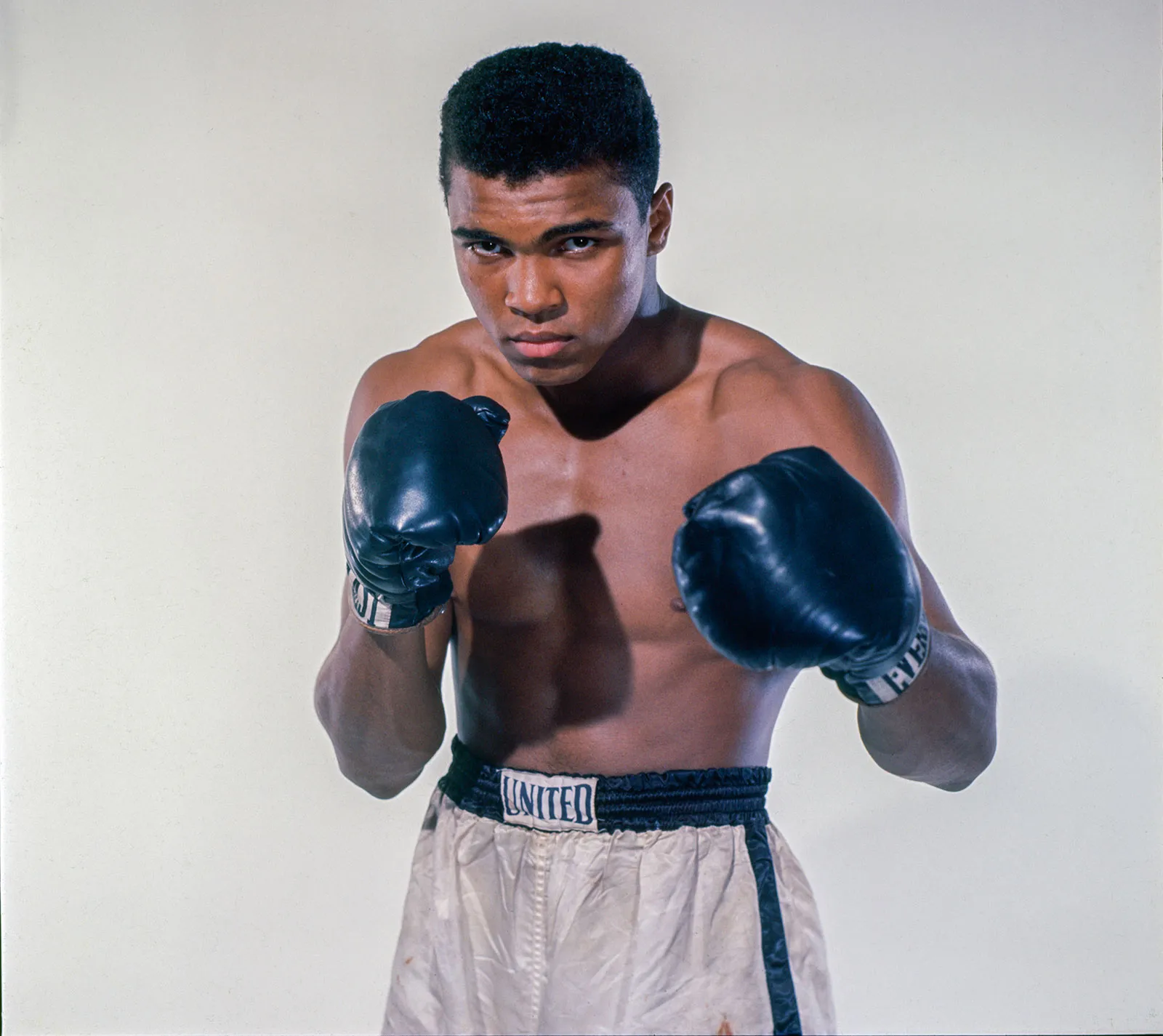
Muhammad Ali Biography: From Cassius Clay to Icon
There are athletes, and then there are legends who change the world beyond their sport. The story of Muhammad Ali belongs firmly in the second category.
When people search for Muhammad Ali Biography, they are not just looking for boxing records or championship titles. They are searching for a life story filled with courage, transformation, controversy, resilience, and unmatched influence. Muhammad Ali was not only one of the greatest boxers of all time, but also a global cultural figure who stood for identity, conviction, and self-belief.
Born as Cassius Clay, he rose from a young boy in Louisville, Kentucky, to become a worldwide symbol of strength and confidence. His journey was not simple. It was shaped by discipline, rebellion, faith, and an unshakable belief in himself.
This Muhammad Ali Biography explores his early life, rise in boxing, transformation of identity, legendary fights, social impact, and lasting legacy that continues to inspire millions today.
BIO: Muhammad Ali
| Detail | Information |
|---|---|
| Full Name | Muhammad Ali (born Cassius Marcellus Clay Jr.) |
| Date of Birth | January 17, 1942 |
| Age | Passed away at 74 |
| Profession | Professional Boxer, Activist |
| Nationality | American |
| Net Worth (Approx.) | Estimated $50 Million (at peak career value) |
| Notable Works / Achievements | 3× World Heavyweight Champion, Olympic Gold Medalist |
Early Life of Muhammad Ali
The Muhammad Ali Biography begins in Louisville, Kentucky, where Cassius Clay was born in 1942. Growing up in a segregated America, he experienced racial inequality from an early age. These experiences shaped his mindset and later influenced his outspoken personality.
As a child, he was energetic, talkative, and determined. Interestingly, boxing was not originally part of his plan. The story goes that his bicycle was stolen, and when he reported it to a police officer, he said he wanted to “whup” whoever did it. The officer suggested he learn how to fight first.
That moment changed everything.
He started training in boxing and quickly showed natural talent. His speed, reflexes, and confidence made him stand out immediately.
Muhammad Ali Biography and the Rise of a Young Champion
As Cassius Clay entered boxing training, it became clear he was different from other fighters. He wasn’t just strong; he was fast, strategic, and highly confident.
Amateur success came quickly. He won multiple Golden Gloves titles and eventually earned a place in the 1960 Rome Olympics.
He won a gold medal at just 18 years old.
This moment marked the beginning of what would become one of the most extraordinary careers in sports history.
Key Early Achievements
- Olympic Gold Medal (1960)
- Multiple Amateur Championships
- Early professional boxing victories
- Rapid rise in heavyweight rankings
The Muhammad Ali Biography becomes even more powerful when we see how quickly he transitioned from amateur success to global recognition.
The Transformation from Cassius Clay to Muhammad Ali
One of the most important moments in Muhammad Ali Biography is his name change.
After converting to Islam and joining the Nation of Islam, Cassius Clay announced he would no longer use his “slave name.” He adopted the name Muhammad Ali.
This decision was not just personal. It was symbolic.
It represented identity, freedom, and self-definition.
However, the change also created controversy. Many people at the time resisted or criticized his decision. But Ali stood firm, showing early signs of the fearless personality he would later become famous for.
Muhammad Ali Biography and His Boxing Style
Muhammad Ali was not a typical heavyweight boxer. Most fighters relied on power and strength. Ali introduced something new: speed, rhythm, and intelligence.
He famously described his style with confidence:
“I float like a butterfly, sting like a bee.”
His Boxing Strengths Included:
- Incredible hand speed
- Fast footwork
- Defensive awareness
- Psychological intimidation
- Ring intelligence
- Endurance and stamina
He didn’t just fight opponents physically. He often defeated them mentally before the match even began.
This combination made him one of the most dominant athletes in boxing history.
The Legendary Fights That Defined Muhammad Ali Biography
No Muhammad Ali Biography is complete without his greatest fights. These matches shaped his legacy and built his global fame.
1. Ali vs Sonny Liston
This fight shocked the world. Ali defeated Sonny Liston and became the heavyweight champion at a young age. Many doubted his ability, but he proved them wrong.
2. Ali vs Joe Frazier (Fight of the Century)
One of the most famous boxing matches in history. It was intense, emotional, and physically demanding. Frazier won this first encounter, but the rivalry continued for years.
3. Ali vs George Foreman (Rumble in the Jungle)
Perhaps the most iconic moment in Muhammad Ali Biography. Ali used a strategic technique called “rope-a-dope” to defeat the heavily favored George Foreman.
This victory shocked the world and restored Ali as champion.
4. Ali vs Joe Frazier II and III
Their rivalry became legendary. The third fight, known as the “Thrilla in Manila,” is often considered one of the most brutal and emotional fights in boxing history.
Muhammad Ali Biography and His Stand Against the Vietnam War
One of the most defining moments in Muhammad Ali Biography was his refusal to join the Vietnam War.
Ali stated that he did not support the war due to his religious beliefs and moral stance. As a result, he was stripped of his boxing titles and banned from the sport during his prime years.
This decision cost him millions of dollars and years of his career, but it also made him a global symbol of resistance and conviction.
Impact of His Decision:
- Lost boxing titles
- Faced legal challenges
- Public criticism and support
- Became a civil rights symbol
- Inspired global anti-war movements
Many years later, he was vindicated, and his legacy as a principled figure became even stronger.
The Comeback of Muhammad Ali
After years away from boxing, Muhammad Ali returned to the ring in the 1970s. Despite doubts about his condition and age, he proved he still had skill and determination.
His comeback victories showed resilience and mental strength.
Even though he was not at his physical peak, his experience and intelligence kept him competitive at the highest level.
Muhammad Ali Biography and Global Influence
Ali was not just a boxer. He became a global cultural icon.
He influenced:
- Civil rights movements
- Sports culture
- Religious identity discussions
- Political activism
- Global media narratives
He was admired not only for his athletic ability but also for his voice, confidence, and willingness to stand for his beliefs.
Why the World Loved Muhammad Ali:
- Fearless personality
- Charismatic interviews
- Humor and confidence
- Strong moral values
- Inspirational speeches
- Emotional honesty
His personality made him larger than life.
Later Life and Health Challenges
In later years, Muhammad Ali faced health challenges, including Parkinson’s disease. Despite physical limitations, he remained active in public life and continued to inspire people around the world.
He appeared at major global events, including the Olympics, where he lit the Olympic flame in 1996.
This moment became symbolic of strength, resilience, and dignity.
Muhammad Ali Biography and His Legacy
The legacy of Muhammad Ali is one of the most powerful in sports history.
He is remembered not just as a boxer, but as a symbol of courage, identity, and determination.
Lasting Contributions:
Sports Legacy
One of the greatest boxers in history.
Cultural Impact
Changed how athletes express personality and beliefs.
Social Influence
Inspired civil rights and social justice movements.
Global Recognition
Known and respected worldwide.
Even today, athletes across sports mention Muhammad Ali Biography as an inspiration for confidence and self-belief.
Lessons From Muhammad Ali Biography
The life of Muhammad Ali offers powerful lessons:
Key Takeaways:
Believe in Yourself
Confidence is a major part of success.
Stand for Your Beliefs
Even when it is difficult or unpopular.
Hard Work Matters
Talent alone is not enough.
Resilience Wins
Comebacks define greatness.
Legacy Is Bigger Than Fame
What you stand for matters more than titles.
Why Muhammad Ali Still Matters Today
Decades after his peak, Muhammad Ali remains relevant.
His story is still studied, discussed, and admired. New generations continue discovering his fights, interviews, and speeches.
In a world focused on fast fame, Ali represents something deeper: purpose, conviction, and identity.
That is why Muhammad Ali Biography continues to rank among the most searched sports stories globally.
Conclusion
The Muhammad Ali Biography is not just the story of a boxer. It is the story of a man who transformed himself, challenged expectations, and left a global impact that goes far beyond sports.
From Cassius Clay to Muhammad Ali, his journey represents courage, identity, and determination. He faced victories, defeats, controversy, and challenges, yet remained one of the most influential figures in modern history.
His legacy continues to inspire athletes, activists, and everyday people who believe in standing for something greater than themselves.
Muhammad Ali was not just the greatest in the ring. He was one of the greatest outside it as well.
If this biography inspired you, share your thoughts on what makes Muhammad Ali’s story so powerful and timeless.

Menendez Brothers Now: Where Are They Today?

Jelly Roll Story: From Struggle to Stardom

The Casey Anthony Story: Facts, Trial, and Outcome

Who Is Alex Karp Wife? Private Life of Palantir CEO

Melanie Zanona Salary, Career Growth & Net Worth Revealed

How to Make Slime: The Ultimate DIY Guide for Kids and Adults
-
 Business10 months ago
Who Is Alex Karp Wife? Private Life of Palantir CEO
-
 Celebrity10 months ago
Melanie Zanona Salary, Career Growth & Net Worth Revealed
-
 Lifestyle12 months ago
How to Make Slime: The Ultimate DIY Guide for Kids and Adults
-

 Business10 months ago
Rahki Giovanni Net Worth: Income, Fitness, and Success
-

 Nature11 months ago
Fascinating World of Facts: A Journey Through Datos Curiosos
-

 Celebrity11 months ago
Who Is Drew Pritchard New Wife? Inside the Antique Star’s Private Love Life
-

 Entertainment12 months ago
Strands NYT: Unraveling the Digital Threads of a New Online Trend
-

 Entertainment9 months ago
Adam Woodyatt Net Worth Revealed: Career, Income & Assets