Marketing
Why Brands Need Conversational Marketing


Consumers in the digital environment are no longer interested in transactional relationships, they want to engage in real conversations. Conversational marketing has been a central approach that enables brands to interact with customers in real time giving them custom experiences that build loyalty and trust. Through the solutions like chatbots, live chat, and messaging services, companies can upgrade your engagement quality and at the same time learn invaluable knowledge of customer behavior. This is not a fad, it is a strategic necessity within brands which are looking at developing meaningful and long-term relationships with their audience.
Understanding Conversational Marketing
The concept of conversational marketing focuses on the development of real-time two-way communication between a brand and its customers. Conversational marketing puts a heavy emphasis on responsiveness and personalization unlike conventional marketing techniques that may rely on one-way communication like email messages or placed advertisements. In this way, the companies will be able to foresee customer needs, offer them instant solutions, & direct the prospect through the purchasing process.
The Role of AI and Automation
What stands out today is how artificial intelligence supports conversational marketing. Through virtual assistants or chatbots, routine questions get answered, potential clients are sorted, also recommendations appear from earlier talks. Even though automated systems boost speed, companies must bring in personal responses when issues grow complex – this keeps people feeling respected instead of processed. Achieving smooth, believable exchanges means blending machine precision with genuine care from real agents.
Benefits of Conversational Marketing for Brands
1. Improved Customer Experience
Conversing with customers in real-time assists brands to solve issues in real-time which lessens friction and enhances overall satisfaction. A smooth and personal experience will lead to returning and raise the chances of recommendations, which directly affects the brand image.
2. Data-Driven Insights
All interactions offer useful data which should be used in marketing strategies. Through conversational marketing, businesses are able to monitor customer preferences, pain points, and buying habits. With these insights, companies are able to sharpen their message, promote in a more targeted way and future needs besides proving their expertise in their area of business.
3. Increased Conversion Rates
Live interaction enhances the chances of transforming the prospects into customers greatly. Individual recommendations and real-time assistance eliminate buying obstacles, and the users are led through the decision-making process in an effective manner. Companies that adhere to conversational marketing have a visible increase in sales and other total engagement indicators.
4. Enhanced Brand Strength and Faith
Transparent and useful communication can be used to build credibility. Brands who provide answers to questions on a regular basis and quickly and informedly are regarded by the customer as trusted professionals. This power will translate to a larger brand loyalty, social evidence and competitive advantage in the long run in markets where other related companies are found.
Practical Tips for Implementing Conversational Marketing
- Map Customer Journeys: Be aware where your customers need information and change what touchpoints to talk about depending on that.
- Invest in AI Wisely: Chatbots replace human labor but ensure that the human operators are available to offer more advanced support.
- Make Every Interaction Personal: Call by the user name, refer to previous contact, and provide recommendations which should be based on the user behavior.
- Measure and Test: Measure conversation metrics continuously to increase the quality of responses and user satisfaction.
Future Outlook
Conversational marketing is the future of marketing. Due to the changing nature of consumer expectations, the brands, which do not interact dynamically, face a threat of being forgotten. The new technology such as personalization via AI, voice recognition interfaces, will keep up with the possibilities of interactive engagement. The first to implement conversational marketing in the right way will have more customer loyalty, streamlined sales operation, and increased their presence in the market.
Conclusion
Conversational marketing is no longer a choice anymore, but it becomes a requirement given the brands that want to survive in a competitive digital space. Businesses can gain more authority, establish trust, and make more conversions by means of meaningful conversations, strategic use of technology, and human touch. The brands that follow this strategy are not selling products only, they are developing relationships that will lead to sustainable growth and success in the long run.



Due to the flexibility in pricing and the scale of suppliers, global sourcing is continuing to win new businesses. Irrespective of such benefits, most novices have challenges in the initial phases of importing from China. Minor planning issues tend to create delays, quality issues, or sudden costs. Early knowledge of these errors helps to realize greater control and predictability. Experience in other companies, such as Kingsler, shows that preparation is a significant factor in the success of importing in China.
New importers tend to concentrate more on the cost of products and forget about processes that lie behind sourcing and shipping. Supplier checking, logistics planning, and compliance checks are equally important. Educating on a systematic way of importing from China would save on capital and time. Some of the challenges that sourcing agentsnotes often happen for first-time importers, and they mostly involve the flexibility with suppliers and the planning of shipments.
1.Selecting Suppliers Not through due diligence.
Most of the first-time importers are choosing their suppliers on the basis of price or rapid response. This solution raises the chances of quality variations and failure to meet delivery schedules. China has an importation process that involves the background check of suppliers, factory inspection, as well as reviewing export experience before order confirmation.
Licenses, certifications, and production capacity are exchanged between reliable suppliers. Verified sourcing creates trust and proves reliable importing from China. Supplier screening is another area where Yiwu sourcing agents like Kingsler insists on a starting point of long-term sourcing reliability.
2.Poor Product Specifications.
Unspecified product requirements cause confusion in the production process. Buyers ignore the definition of materials, dimensions, finishing, or packaging specifications. Such gaps lead to the product mismatch and the risk of returns or rework in case of importing from China.
Elaborated specifications minimize mistakes and enable uniform quality. Supplier alignment could be enhanced by written documents, samples, and approval checkpoints. Companies that understand how to import from China are at an advantage in knowing how to document all their requirements in advance before they are mass-produced.
3.Neglect of Quality Control Planning.
Most novices would blindly rely on factory guarantees without inspection planning. A problem is not realized until goods reach the destination warehouses. This error exposes the company to greater losses in the Chinese importation.
Third-party inspections create the opportunity to identify the issues at the initial stage. Pre-shipment and pre-production checks enhance the reliability of shipments. As important steps of importation in China, Kingsler frequently suggests inspection schedules.
4.Shipping Terms Misunderstanding.
New importers are prone to unclear shipping conditions. This will result in unforeseen expenses or a lack of clarity in transit. Chinese importation involves the need to know Incoterms and ownership of cost at every point.
Liability and freight scope are determined by a clear understanding of shipping terms. Being able to import into China involves being aware of who will do the export, freight, and insurance. Open contracts decrease conflicts and time losses.
5.Underestimation of the total shipping cost.
Freight, portation, customs fees, and handling expenses are very expensive. Lots of newcomers determine the profit on the basis of the factory price only. This results in poor cost estimates in the process of importing from China.
Landed cost analysis helps in making superior prices. Early factoring logistics enhances control of the margin. Kingsler teams have been known to emphasize cost forecasting as a key to making the operations of sustainable China importation possible.
6. Ignorance of Compliance Requirements
The standards of certifications and labeling needed in different markets vary. Lost papers can delay or hold shipments. The Chinese importation requires checking in advance.
Knowledge of product rules helps to remove rejection of shipments. Companies that understand the process of importing from China are stable because they can implement compliance before production begins.
7. Poor interaction with Suppliers.
There is poor communication that results in delayed updates and delays in production. The difference in time zones poses a risk in cases where the instructions are not clear. The communication structure is best in the importation of China.
Coordination is enhanced by the use of clear timelines, written commitments, and progress reports. Regular reporting cycles are used by many importers to ensure that there is clarity during production.
Unsafe Payment Practices
Full amounts at the start raise the financial risk. First-time importers tend to be unprepared on the issue of protection of payment when importing from China.
Exposure is minimized through balanced payment terms that are pegged to production milestones. There is increased leverage through inspection-linked payments. Sourcing agents usually recommends less risky payment plans for first orders.
Relying on a Single Supplier
Reliance on a single factory makes it easier to get setbacks or inconveniences. Interruptions in supply chains have an effect on order fulfillment in the case of the importation of Chinese products.
The ability to maintain alternative suppliers helps in continuity. Diversified sourcing enhances stability in the long-term and minimizes the risk of dependency.
Absence of Long-Term Logistics Planning.
Shipping is a one-time affair for many businesses. Expansion entails standardized logistics. The advantage of importing from China is regular freight planning.
The flow of inventory is supported by standardized shipping processes. Companies that understand how to import from China become efficient due to the long-term logistics plans with the assistance of a working partner.
Final Thought
Importing discipline, clarity, and repeatable systems are key to success in importing from China. The majority of the early failures are not caused by the market or suppliers but as a result of preventable planning lapses. The more the importers document processes, verify their partners, and monitor the milestones of logistics, the greater control over the cost, quality, and timelines. This organized way of thinking makes the short-term experiment and sustainable sourcing operations different.
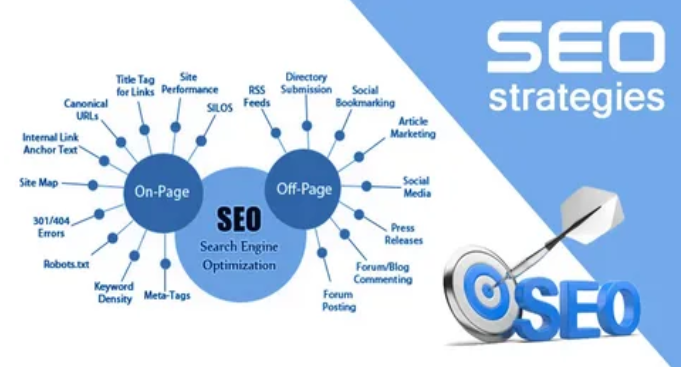
No brand desires to experience the positive results of its SEO efforts in the form of mere empty words. This is why a results-driven SEO company does not simply work on rankings, but rather attributes success based on clearly defined metrics that constitute actual business development.
To determine whether your SEO strategy is really getting the results that your business is entitled to, seven important performance indicators (KPIs) are listed below.
1. Organic Traffic Growth
Organic traffic is the most evident measure of the success of SEO. This measure will indicate the number of visitors who are accessing your site directly using search engines.
When your organic traffic keeps increasing every month, then there is a definite indication that you are increasing your visibility. The results-oriented SEO organization actively follows this data with the help of such tools as Google Analytics and Search Console, and optimizes the strategies to hit the most lucrative keywords.
2. Keyword Rankings and SERP Visibility
It is critical to rank high on keywords of high intent to succeed in the long run. However, it is not only about being on the first page anymore, but about being there when the right search terms are put in that translate to a conversion.
Following the position of the keywords and general visibility of the project in the search engine result pages (SERP), search engine optimization specialists may know what pages work the best and where the necessary changes are required. Greater rankings result in increased exposure, clicks, and authority.
3. Click-Through Rate (CTR)
An increase in the rankings would be irrelevant unless the users visit your link. CTR is the number of individuals who actually visit your site after they see your site in search results.
To optimize CTR, it is necessary to optimize the meta titles, compose a convincing textual description, and include schema markup in the rich results. Collaboration with such an SEO service provider can help you develop excellent content and guest posts that will not only attract the right audience to your website but also improve your online visibility.
- Conversion Rate and Lead Quality
Traffic does not translate to success, but conversion is. Sales, sign-ups, inquiries, whatever it is, your conversion rate will show how well your site converts visitors into customers.
An SEO firm that is results-oriented must rely on CRO (Conversion Rate Optimization) tools, including an enhanced landing page design and a call-to-action that will enable every visitor to count. The end aim is not only to get the traffic but to get the business growth in quantifiable terms.
5. Bounce Rate and Dwell Time
The metrics of engagement show the manner in which users are using your website.
- Bounce rate: the percentage of visitors who exit the website after looking at only one page.
- Dwell time: the amount of time that users stay on the site before returning to the search results.
When the dwell time is long and the bounce rate is low, it indicates that the material is highly relevant, useful, and fun. The search engines will notice when the users are finding value in what you have to offer, and place your rank higher, and create brand loyalty.
6. Backlink Quality and Domain Authority
The quality of backlinks is also a source of SEO success. Authoritative websites link to your content, which is an indication of trust and credibility to the search engines.
An SEO firm that runs its business on results will avoid all the spammy directories and focus on gaining backlinks on relevant, reputable websites. As an example, these professional guest posting networks, such as this platform focus on posting content on established domains, which contribute to building authority and gaining visibility through organic methods.
7. Return on Investment (ROI)
Finally, all SEO work is to provide a good payoff. ROI tracking assists businesses to see the value or the amount of money that their SEO campaigns generate against the amount of money spent.
Since SEO is the process that gains momentum and progress, this measure can be the most fulfilling as it shows that tactical optimization can prove advantageous even years after the initial campaign is over.
A results-oriented SEO firm will always calculate ROI in an open manner so that clients can have a clear view of how the investment in SEO is directly related to business development.
Why These Metrics Matter
Metrics like these are very crucial to show how good your SEO strategy is. Together, they give a very accurate picture of your website’s performance at the present tim,e not only regarding rankings but also engagement, conversions, and profitability. Firms that continuously observe these parameters will be capable of identifying what works, remedying what doesn’t, and revising their long-term sustainability strategy accordingly.
Final Thoughts
The success of SEO does not only involve the finding, but the provision of quantifiable growth that will match business objectives. These seven metrics are useful in demonstrating the worth of an effective strategy and showing how the appropriate strategy can make a difference in your online presence.
By engaging a results-oriented SEO firm, it is possible to make sure that all the strategies, such as research of keywords and development of links, can help achieve actual long-term success. Doing the right things, and remaining data-driven, your brand can cease to be merely visible on the Internet and start conquering its niche.

“The influencer is the digital access channel between brands and consumers-on a global scale,” said Toma. From fashion and tech to food and finance, influencer-driven stories are increasingly driving how products are found, considered, and embraced. Because brands who know how to play in this space, can work with creators to effectively boost activity around your content your content and connect authentically with audiences world-wide.
The Evolution of Influencer Impact
In the past decade or so, influencer marketing has come a long way. From causal brand references on social, in a quickshade style has grown a data-heavy discipline rooted within Audience Psychology, Content Strategy and culture. Today’s biggest influencers have evolved into micro-media houses-creating and editing high-quality content, analyzing engagement metrics-and mirroring a brand’s core values.
This transformation has brought influencers from mere marketing channels to massive drivers of purchasing decisions. This credibility is often built on lived experience, niche focus/breadth, and authentic communication – driving trust.
How Influencers Are Impacting Consumer Behavior Worldwide
Cultural Translation at Scale
Among the least appreciated benefits of influencers is their skill in glocalising global characters. “Scope for Variation” A skin care regime trending in South Korea can be replicated by influencers in Europe or the Middle East with alterations to suit local preferences, climate and culture. This contextual translation eliminates the need for end-users to take any action and speeds adoption.
Peer-Level Trust and Social Proof
Consumers increasingly distrust traditional advertising. Influencers are at peer level instead. There recommendations register as an experience there (no credit card required), rather than a transaction, and this adds to their sense of authenticity. Because when people see real, authentic results every single time you post about using a product, it creates social proof (which happens to be one of the greatest motivators in making a modern purchase).
Role of Platforms in Trend Acceleration
Algorithmic Visibility and Momentum
Social platforms pay for content that stimulates interaction. Influencers know how to collaborate with these algorithms – utilizing timing, format and storytelling tricks to maximize reach. Once influencer content takes off, platforms elevate it, so niche tastes become global discussions in a matter of days.
Short-Form Content and Rapid Adoption
Trend cycles have been shrunk to fit the short-form video. In less than a minute, a product can be introduced, demonstrated and normalized by an influencer. And with trend crossing the world at that speed, younger people (who don’t use search engines but social discovery) are also party to faster trends.
Strategic Benefits for Brands
Market Intelligence Through Creators
Veteran influencers deliver immediate feedback to brands through active communities. Comment sections, direct messages and live sessions serve as informal focus groups – surfaces for consumer objections, desires and emerging needs. The more closely brands listen, the bigger advantage they have in the marketplace.
Long-Term Authority Building
When brands do campaigns with good influencers over and over versus a 1-time promotion, they get to borrow the overall trustworthy factor. As time goes on this helps position the brand more as an authority in its niche and less of a product pusher. These types of collaborations resonate closely with the EEAT principles in terms of sustaining soundness and trust.
Real World Advice on How to Utilize Influencers the Right Way
For brands desiring sustained effects, it’s relevance over reach. Influencers with lower numbers of followers who are highly focused in a niche tend to perform better than the big, non-segmented accounts. Transparency, disclosure and authentic creative freedom also help to defend the credibility of the brand as well as consumer trust.
Equally important is performance evaluation. Quality of engagement, demographics of your audience and the sentiment give more valuable insight than Vanity Metrics alone.
Conclusion
In today’s market, influencers are no longer a nice-to-have accessory to be tacked onto a marketing plan.Influencers now form the backbone of how modern markets do business. There is no parallel for their power to transform culture, build trust and drive innovation in the digital economy. For brands that are willing to play the influencer partnership game with a sense of strategy and ethics, the end game goes well beyond mere visibility; it’s about long-term authority and courted consumer loyalty. With the hybridization of expertise and authentic voices, companies can stay competitive in a dynamic world marketplace.

Angela Scanlon: Inside Her Career and TV Success

Susanna Reid: Alles über ihr Leben & Karriere

Who Is Alison Ogilvie? Career and Biography Insights

Who Is Alex Karp Wife? Private Life of Palantir CEO

Melanie Zanona Salary, Career Growth & Net Worth Revealed

How to Make Slime: The Ultimate DIY Guide for Kids and Adults
-
 Business8 months ago
Who Is Alex Karp Wife? Private Life of Palantir CEO
-
 Celebrity8 months ago
Melanie Zanona Salary, Career Growth & Net Worth Revealed
-
 Lifestyle10 months ago
How to Make Slime: The Ultimate DIY Guide for Kids and Adults
-

 Business8 months ago
Rahki Giovanni Net Worth: Income, Fitness, and Success
-

 Nature9 months ago
Fascinating World of Facts: A Journey Through Datos Curiosos
-

 Celebrity9 months ago
Who Is Drew Pritchard New Wife? Inside the Antique Star’s Private Love Life
-

 Entertainment10 months ago
Strands NYT: Unraveling the Digital Threads of a New Online Trend
-

 Entertainment7 months ago
Adam Woodyatt Net Worth Revealed: Career, Income & Assets