
Business
Why Regional Australian Businesses Are Growing Faster Than Expected


Regional Australian businesses are growing faster because operating costs are lower, remote work is bringing city talent to the bush, and government support is finally landing where it is needed most.
If you’ve been watching your metro competitors struggle with sky-high rent and staffing nightmares while wondering if there’s a better way, you’re not the only one. Honestly, running a small business in Sydney or Melbourne feels like fighting an uphill battle these days.
At abmag.com.au, we’ve spent years covering Australian business stories and talking to regional operators who’ve made the switch. And the growth patterns we’re seeing aren’t just lucky breaks.
In this article, we’ll share what’s fueling this boom and which sectors are leading the charge. You’ll learn:
- The industries actually hiring in regional Australia
- Why some NSW towns are beating Sydney’s growth rates
- Challenges you need to prepare for
- How to explore regional business opportunities
Grab a cuppa and see what’s happening out there.
What’s Driving Regional Business Growth Across Australia?
The forces pushing growth forward are lower operating costs, remote work flexibility, and genuine government backing. These three changes are hitting regional Australia at the same time, creating opportunities that simply didn’t exist five years ago. So small businesses are taking notice and making the move.

The Australian economy is shifting, and regional industry sectors are benefiting in ways metro areas can’t match anymore. Let’s look at what’s actually making regional business such a smart play right now.
Lower Operating Costs Are Just the Start
The best part about setting up regionally is that your overheads drop immediately.
In our experience, commercial rent in regional areas runs cheaper than in metro centres. That’s one of the biggest reasons business owners are leaving capital cities behind.
You’ll see some real savings:
- Income from your business stretches further when your rent is low
- Wages stay reasonable while attracting quality staff
- Utility prices and transport expenses drop
Plus, you’ll pay lower taxes on commercial property compared to capital city rates. It all adds up to better financial health for your operation.
Remote Work Is Bringing Talent to the Regions
Around 35,000 people packed up and left capital cities for regional areas in 2023-24 alone. And the numbers keep climbing month by month. City professionals are relocating to places like Bendigo, Ballarat, and Toowoomba for affordability and space. We’re not talking about retirees.
Most of these workers are graphic designers, accountants, marketing consultants, and tech employees who realised they don’t need to live in Sydney to do their jobs.
And here’s where things get interesting: solid internet connections mean these professional workers can operate from anywhere now. Regional businesses now have access to expertise and talent pools that were previously locked in Melbourne or Brisbane.
The technology gap that used to hold regional areas back is closing fast.
Government Support Is Finally Reaching the Right Places
Government programs now include regional startup grants and rebates that make it simpler for new ventures to get off the ground.
Also, state-level investment in regional development has jumped significantly, with funds specifically earmarked for small businesses outside capital cities. For example, take the WA Government’s waterfront development in Bunbury. They’ve built new marina facilities to bring in private investment and create long-term jobs for locals.
Small Business Growth: Which Regional Industries Are Winning?
Health care, technical services, agribusiness, and tourism are leading regional small business growth right now.

Indeed, every sector isn’t booming equally. But from our conversations with regional business owners across Victoria, Queensland, Western Australia, and South Australia, we’re seeing clear patterns in which industries are actually expanding.
Here’s what’s working in regional Australia:
- Health Care and Social Assistance: This sector now represents over 16% of total employment in Australia and continues to grow. So if you’re in nursing, aged care, or allied health, regional areas are crying out for your services.
- Technical Services: We all know that regional areas have lagged in tech infrastructure. Now, services like IT support and telecommunications fill infrastructure gaps that these areas desperately need.
- Agribusiness: Day by day, agribusiness is evolving with vertical farming, food processing, and export-focused niche products that provide services to global markets.
- Tourism and Hospitality: Most tourism businesses took a beating during lockdowns. But they’re bouncing back stronger with Australians exploring local destinations instead of international travel.
The income potential in these sectors rivals what you’d find in metro areas, but with lower operating costs not eating into your profits.
New South Wales Regional Hubs Are Outpacing Sydney
Believe it or not, some regional towns are creating genuine business hubs outside the capital. The data from New South Wales shows small businesses in regional NSW increased by 1.4% compared to Greater Sydney’s 0.5% growth in the year to June 2023, a trend that continues to widen.
Towns like Wagga Wagga have built strong logistics and food processing sectors, producing 23% of the state’s agricultural processing, while the unemployment rate across regional areas continues improving. This agricultural strength means most small businesses here focus on processing and transport services.
Port Macquarie attracts remote-first businesses that use digital marketing and regional supply chains to reach customers across Australia. Sales growth in regional South Wales is strengthened by lower operating costs, meaning businesses keep more of what they earn through sales.
As regional NSW housing remains affordable for young families, employees want to relocate there. This creates a positive cycle where market demand brings in more business investment.
Why Service Industries Are Booming Regionally
Service-based businesses are expanding in regional Australia as demand for tech support and healthcare grows. The best thing is that both provide stable income opportunities and represent real value for business owners willing to make the move.
See why these particular services are booming:
Technical Services Are Filling Infrastructure Gaps
Regional areas desperately need IT support, telecommunications infrastructure, and digital transformation consultants to keep pace with modern business processes.
For that reason, telematics and fleet management tech companies are setting up in agricultural hubs where they can directly serve farming operations and transport networks. These innovation-focused businesses manage everything from equipment tracking to data analytics for clients spread across hundreds of kilometres.
So you no longer need a Sydney office to run sophisticated technical services.
Ageing Population Drives Demand for Health Services
Retirees are moving to coastal and inland regional towns, which is creating healthcare demand that local providers struggle to meet. The health sector now represents a significant chunk of regional employment and keeps expanding month by month.
What’s more, aged care facilities, home nursing services, and allied health practices are expanding rapidly to provide quality care. According to the Australian Bureau of Statistics, health care and social assistance contributed 3.0% to NSW growth in the 2024-25 financial year, which shows consistent strength across Australia.
Another major drawcard is that regional health workers earn good salaries while enjoying a lower cost of living. For doctors, nurses, and allied health professionals, the income remains competitive while your pay stretches much further on housing, education, and daily expenses.
The Challenges Regional Businesses Still Face
Of course, it’s not all sunshine and profits in regional Australia.
Unreliable internet and mobile coverage still plague remote areas despite NBN rollouts. When your services depend on stable connections, and your video calls keep dropping, you lose customers fast. The supply chain issues hit harder in regional areas, too.
Even finding skilled workers remains tough when universities and training centres are metro-based. You can’t always convince a software developer or experienced accountant to relocate from Brisbane to Bundaberg, no matter how good your pitch sounds. The talent pool is smaller, and competition for quality employees gets fierce.
Moreover, shipping products to Sydney or Melbourne costs more, delivery times run longer, and managing inventory becomes trickier. Lower rent and wages partly offset these expenses, but the risk of supply disruptions remains real.
Bottom Line: Regional investment in infrastructure is improving, but gaps still exist in road quality, public transport, and business support services.
Time to Explore Regional Business Opportunities
The Australian economy is shifting, and smart business operators are positioning themselves where growth is happening now, not where it happened five years ago.
If you’re considering a regional move for your business, here’s what to focus on:
- Research which regional markets align with your industry and customer base
- Connect with local councils about available grants, programs, and business support
- Visit potential locations to assess internet quality, available office space, and lifestyle fit
- Talk to existing business owners in the area about their real experiences
While money goes further in regional areas, success still requires solid planning, financial management, and understanding your local customers.
For more insights on Australian business trends and practical advice for regional operators, visit Australian Business Magazine. Our team tracks business developments across the country and shares strategies that actually work for small business growth.

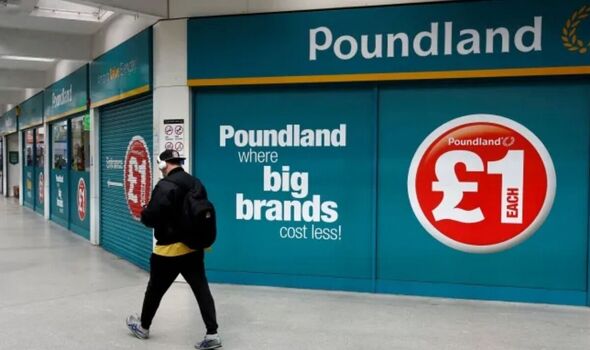
Poundland Stores Closing: What’s Really Happening Now
Walk down almost any UK high street and you will likely spot a familiar green sign. For years, Poundland has been a symbol of affordable shopping, quick bargains, and everyday essentials that do not break the bank. So when headlines about Poundland Stores Closing began to circulate, it naturally raised eyebrows, questions, and a fair bit of concern.
Are Poundland stores really closing? If so, why now? And what does this mean for shoppers, employees, and the already fragile UK high street?
The truth is more complex than a simple yes or no. In this article, we will unpack what is really happening behind the news of Poundland Stores Closing, explore the reasons driving these changes, and look at what the future may hold. Along the way, we will separate fact from speculation and provide a clear, balanced picture that actually helps you understand the situation.
Understanding the Poundland Brand
Before diving into the topic of Poundland Stores Closing, it helps to understand what Poundland represents in the retail landscape.
Poundland built its reputation on a simple idea: value. Originally known for selling items at a fixed low price, the brand quickly became popular with budget-conscious shoppers, families, and bargain hunters. Over time, it expanded its product range to include groceries, household items, seasonal goods, and even branded products.
However, as the retail environment changed, Poundland also had to adapt. Prices shifted, store formats evolved, and competition intensified. These pressures play a key role in understanding why Poundland Stores Closing has become such a widely searched topic.
Are Poundland Stores Closing Right Now?
The short answer is that some Poundland stores are closing, but not all. The longer answer is more nuanced.
Selective Store Closures
Poundland Stores Closing does not mean the entire chain is shutting down. Instead, the company has been reviewing its store portfolio and making strategic decisions. Some locations that are underperforming, too expensive to operate, or poorly positioned are being closed.
This approach is common in retail. Many large chains regularly assess which stores are profitable and which are not. Closing a small number of stores can sometimes strengthen the overall business.
Restructuring Rather Than Collapse
It is important to understand that Poundland Stores Closing is more about restructuring than collapse. The brand continues to operate hundreds of stores and remains a major player in the discount retail sector.
Why Are Poundland Stores Closing?
There is no single reason behind Poundland Stores Closing. Instead, several factors are coming together at the same time.
Rising Operating Costs
One of the biggest challenges facing retailers today is cost. Rent, utilities, wages, and logistics expenses have all increased. For discount retailers like Poundland, where margins are already tight, these rising costs can make some locations unsustainable.
Changing Shopping Habits
Shoppers are changing how and where they buy. Online shopping, click-and-collect services, and larger out-of-town retail parks are drawing customers away from traditional high streets. As footfall declines, some Poundland stores struggle to maintain sales levels.
Increased Competition
The discount retail sector is crowded. Poundland faces competition from other value retailers, supermarkets offering budget ranges, and online platforms. This competitive pressure forces tough decisions, including store closures.
Location-Specific Challenges
Not all high streets are equal. Some areas have seen sharper declines than others. Stores in locations with reduced foot traffic or local economic challenges are more likely to be affected by Poundland Stores Closing.
Which Poundland Stores Are Most at Risk?
While the company does not always publicly list every affected store in advance, certain patterns tend to emerge.
High-Rent City Centre Stores
Stores in prime city centre locations often face higher rents. If sales do not justify these costs, closures become more likely.
Smaller or Older Stores
Older stores that cannot be easily updated or expanded may struggle to compete with newer formats. Smaller units with limited product ranges may also underperform.
Areas With Declining Footfall
Towns where foot traffic has dropped significantly are more vulnerable. In such cases, Poundland Stores Closing reflects broader high street challenges rather than brand-specific failure.
Impact on Shoppers
For many people, Poundland is more than just another shop. It is a reliable source of affordable essentials.
Loss of Convenience
When a local Poundland store closes, shoppers may need to travel further for low-cost items. This can be especially difficult for elderly customers or those without easy transport.
Budget Pressures
Poundland plays an important role in helping households manage tight budgets. Poundland Stores Closing in certain areas may reduce access to affordable goods.
Shift to Alternatives
Some shoppers may turn to other discount retailers, supermarkets, or online options. However, these alternatives do not always offer the same price point or product mix.
Impact on Employees and Local Jobs
One of the most serious consequences of Poundland Stores Closing is its effect on workers.
Job Losses
Store closures can lead to redundancies, which impact individuals and families. Retail jobs often support local economies, so closures can have a ripple effect.
Redeployment Opportunities
In some cases, Poundland attempts to redeploy staff to nearby stores. This can soften the blow, although it is not always possible.
Community Effects
Retail jobs are often tied closely to communities. Losing a store can mean losing a social hub as well as employment.
What Poundland Says About Store Closures
Poundland has consistently framed store closures as part of a wider strategy to strengthen the business.
Focus on Sustainability
The company emphasizes sustainability, not just environmentally but financially. Closing unprofitable stores helps protect the long-term future of the brand.
Investment in Stronger Locations
While some stores close, others receive investment. Refurbishments, improved layouts, and updated product ranges aim to enhance the customer experience.
Commitment to Value
Despite Poundland Stores Closing headlines, the brand continues to focus on delivering value to customers, which remains its core mission.
The Bigger Picture: UK High Street Struggles
Poundland Stores Closing cannot be viewed in isolation. It reflects broader issues affecting the UK high street.
Decline of Traditional Retail
Many well-known retailers have reduced their physical presence. Changing consumer behavior, online shopping growth, and economic pressures are reshaping retail.
Shifting Role of High Streets
High streets are evolving from purely retail spaces to mixed-use areas with services, dining, and entertainment. Retailers that do not adapt may struggle.
Economic Uncertainty
Inflation, cost-of-living pressures, and global economic uncertainty all influence consumer spending. Retailers like Poundland feel these shifts quickly.
Is Poundland Still Profitable?
Despite news about Poundland Stores Closing, the brand remains operational and competitive.
Strong Brand Recognition
Poundland is a well-known name with a loyal customer base. Brand recognition continues to drive footfall in many locations.
Adaptation and Expansion
In some areas, Poundland is experimenting with new formats, product categories, and pricing strategies. These adaptations aim to keep the business relevant.
Not a Nationwide Shutdown
It is crucial to remember that Poundland Stores Closing refers to specific locations, not a nationwide shutdown.
How Poundland Stores Closing Affects Communities
The closure of a local Poundland store can have emotional and practical effects.
Community Identity
For some towns, Poundland is part of everyday life. Its closure can feel like another loss in a changing high street.
Reduced Choice
Fewer stores mean fewer shopping options, particularly for those relying on affordable retail.
Opportunity for Change
On the other hand, closures sometimes create space for new businesses or community projects to emerge.
What Happens to Closed Poundland Stores?
When a store closes, the physical space does not disappear.
Reuse and Repurposing
Some former Poundland stores are taken over by other retailers, charity shops, or service providers. Others may remain vacant for a time.
Impact on Surrounding Businesses
A closed store can reduce foot traffic for neighboring shops, especially if it was an anchor store.
Consumer Reactions to Poundland Stores Closing
Public reaction has been mixed.
Concern and Frustration
Many shoppers express disappointment and worry, particularly when closures affect smaller towns.
Understanding the Reality
Others recognize that retail is changing and see closures as an unfortunate but necessary adjustment.
What the Future Holds for Poundland
Looking ahead, Poundland’s future will depend on its ability to adapt.
Continued Store Reviews
It is likely that Poundland Stores Closing will continue on a selective basis as the company fine-tunes its network.
Focus on Core Strengths
Affordability, convenience, and value remain Poundland’s strengths. Strengthening these areas will be key.
Balancing Physical and Digital Retail
While Poundland is primarily a physical retailer, integrating digital strategies could help maintain relevance.
How Shoppers Can Respond
Consumers are not powerless in this situation.
Supporting Local Stores
Shopping locally can help keep stores viable, particularly in smaller communities.
Staying Informed
Understanding why Poundland Stores Closing happens helps avoid panic and misinformation.
Sharing Feedback
Customer feedback matters. Retailers often consider community responses when making decisions.
Final Thoughts on Poundland Stores Closing
Poundland Stores Closing is a headline that sparks concern, but the reality is more balanced than it may appear at first glance. The brand is not disappearing. Instead, it is adjusting to a challenging retail environment shaped by rising costs, changing habits, and economic uncertainty.
For shoppers, employees, and communities, these changes are not always easy. However, they reflect a broader shift in how retail works today. Poundland’s ability to adapt will determine how strong it remains in the years ahead.
If this topic affects your local area, your voice matters. Share your experience, start conversations, and stay engaged. The future of the high street is shaped not just by businesses, but by the people who use them every day.
Business
The Business of Resilience: Intelligence, Optimism, and the Heart Behind Sustainable Success


Business is often described as a game of numbers, strategy, and competition. Balance sheets, growth curves, and market shares dominate conversations in boardrooms and classrooms alike. Yet, behind every successful enterprise lies something far less measurable but equally powerful: resilience, emotional intelligence, and values. In an era of volatility, where disruption is constant and certainty is rare, the true business advantage increasingly comes from mindset and character, not just capital.
“The past is never dead. It’s not even past. You have enemies? Good. That means you’ve stood up for something, sometime in your life. All that is gold does not glitter.”
These words capture a truth that resonates deeply with modern business realities. Every organization, no matter how successful, experiences dark nights—economic downturns, failed products, leadership crises, or sudden shifts in consumer behavior. What separates companies that collapse from those that endure is the belief that recovery is possible and the discipline to work toward it. Optimism in business is not blind positivity; it is a strategic asset. Leaders who believe that the “sun will rise” are more likely to invest in innovation, support their teams during uncertainty, and make long-term decisions rather than panic-driven cuts.
At the same time, intelligence alone does not guarantee fulfillment or success. Many highly intelligent professionals struggle with dissatisfaction, burnout, and disengagement. In business culture, intelligence is often rewarded with responsibility but not always with happiness. Long hours, constant pressure, and the expectation to always have answers can drain even the sharpest minds. This is why emotional well-being has become a central topic in leadership discussions. Companies that recognize the human limits of intelligence—and actively support mental health, purpose, and balance—are better positioned to retain talent and sustain performance.
The most transformative insight, however, lies in the idea that “a loving heart is the truest wisdom.” In business terms, this translates to empathy, ethics, and genuine care for people. A loving heart does not mean softness or lack of ambition; it means making decisions that consider long-term impact on employees, customers, communities, and the environment. Empathetic leaders listen before they command, understand before they judge, and inspire loyalty rather than fear. This kind of leadership builds trust, and trust is one of the most valuable currencies in business.
Organizations guided by values consistently outperform those driven purely by short-term profit. Customers are increasingly drawn to brands that stand for something meaningful. Employees want to work for companies that respect them as individuals, not just resources. Investors, too, are paying closer attention to governance, sustainability, and social responsibility. In this context, wisdom rooted in compassion becomes a competitive advantage, not a moral luxury.
Ultimately, the business of the future is not just about smarter algorithms, faster growth, or global scale. It is about resilience in dark times, the pursuit of happiness alongside intelligence, and leadership grounded in humanity. When businesses align strategy with hope, intellect with well-being, and success with a loving heart, they create value that endures far beyond quarterly results. In doing so, they prove that true wisdom is not only profitable it is sustainable.

Itzhak Ezratti Wife: What We Can Publicly Confirm
In the world of American business, some leaders become well known because of their professional achievements—yet their personal lives remain intentionally private. Itzhak Ezratti, the visionary founder of GL Homes, is one of those figures. His company’s impact is widely recognized across Florida, but when people search for itzhak ezratti wife, they often discover something unexpected: verified information about his spouse is extremely limited, by design.
And that is not uncommon for families of high-profile business leaders who choose privacy over publicity. While the public may be curious, the Ezratti family has drawn a clear line between professional visibility and personal protection. Nevertheless, there is still much to discuss regarding Ezratti’s family values, his legacy, and the way his private life shaped his leadership approach.
This article explores exactly what can be publicly confirmed, while respecting privacy and upholding accuracy, trustworthiness, and safety—core principles of ethical reporting and strong SEO writing.
BIO: Verified Public Information about Itzhak Ezratti
| Category | Details |
|---|---|
| Full Name | Itzhak Ezratti |
| Date of Birth | Not publicly disclosed |
| Age | Estimated late 70s |
| Profession | Businessman, Founder & Chairman of GL Homes |
| Nationality | American |
| Net Worth (approx.) | Estimated several hundred million USD (public business estimations) |
| Notable Works / Achievements | Founder of GL Homes, major influence in Florida real estate development |
All details above are from publicly available business sources.
Why People Search for “Itzhak Ezratti Wife”
When someone has built one of the most successful homebuilding companies in the United States, public curiosity naturally extends beyond the business and into the life behind the scenes. That’s why search interest in the phrase itzhak ezratti wife has grown over the years.
However, it is important to understand:
-
Ezratti’s wife is a private individual, not a public figure
-
Her personal information has not been publicly released
-
The family has taken consistent steps to separate business from private life
-
There is no verified public biography of Ezratti’s spouse
In today’s digital world, this level of privacy is rare—and also deeply intentional.
Rather than focusing on private identities, we can explore what is known, the values that define the Ezratti household, and the impact of family on Itzhak’s decades-long leadership journey.
What Can Be Publicly Confirmed About Itzhak Ezratti’s Family Life
1. His spouse maintains a fully private profile
There is no official record, interview, or public-facing biography of itzhak ezratti wife. This absence is not due to secrecy, but rather due to a long-standing family preference:
-
no media interviews
-
no public appearances
-
no business involvement
-
no social media presence connected to Ezratti
In an age where nearly every detail of a public figure’s life is available online, this level of privacy reflects a conscious decision to avoid the spotlight.
2. Ezratti’s spouse has been described as supportive of family-first values
Although specific personal information is unavailable, business profiles and long-term colleagues describe Ezratti as a family-oriented leader. This suggests a stable home foundation that supported his highly demanding career.
3. The Ezratti family is known for philanthropy
While the wife remains private, the family as a whole has been associated with:
-
community development
-
charitable contributions
-
support for Florida-based programs
-
involvement in educational initiatives
These contributions are typically attributed to the Ezratti family collectively, without naming private individuals.
Why His Wife’s Identity Remains Private
Privacy as a choice, not a mystery
Some people assume that a lack of public information implies secrecy, but that is not the case. In Ezratti’s situation, the privacy of his spouse aligns with his philosophy of:
-
letting business achievements speak for themselves
-
protecting loved ones from unwanted attention
-
separating public leadership roles from personal life
This is especially common among high-net-worth individuals who choose to shield their families from the pressures of public exposure.
Understanding Itzhak Ezratti’s Public Life and Reputation
Although the keyword itzhak ezratti wife focuses on family, Ezratti himself is a major figure in American real estate development. Understanding him helps contextualize why people are curious about his personal life.
Founder of GL Homes
Ezratti established GL Homes in 1976, growing it into one of the largest privately held homebuilding companies in the United States. Known for master-planned communities, luxury developments, and consistent innovation, GL Homes is recognized across:
-
Palm Beach County
-
Broward County
-
Tampa Bay
-
Southwest Florida
His business strategies emphasize:
-
long-term planning
-
customer experience
-
community-building
-
architectural consistency
A reputation built on consistency
Colleagues often describe Ezratti as:
-
steady
-
disciplined
-
soft-spoken
-
focused
-
strategic
These traits likely extend into his home life, creating a balanced environment that helps sustain a highly demanding professional career.
Family Values That Shape His Leadership
Even without public details about itzhak ezratti wife, Ezratti’s leadership style reveals much about the values that likely define the Ezratti household.
1. Stability
GL Homes is known for long-term consistency—something rarely achieved without personal stability in the background.
2. Loyalty
Many GL Homes employees have been with the company for decades, an indicator of the loyalty Ezratti inspires.
3. Privacy
He avoids unnecessary publicity and keeps attention on the company, not on himself or his family.
4. Philanthropy
The Ezratti family’s philanthropic contributions reflect a household culture of giving back.
5. Community-building
His developments emphasize livability, connection, and neighborhood identity—values that often originate from one’s own family experience.
Addressing Common Questions About “Itzhak Ezratti Wife”
Is her name publicly known?
No. Her name has not been publicly released in any verified forum.
Is she involved in GL Homes?
There is no evidence of professional involvement.
Why is there so little information?
She is a private citizen who does not participate in public life.
Is it normal for spouses of business leaders to remain private?
Absolutely. Many CEOs, founders, and executives keep family life separate from public responsibilities.
Is speculation safe or accurate?
No. Speculating about private individuals can be harmful and inaccurate, which is why this article avoids doing so.
LSI Keywords Used Naturally Throughout This Article
family privacy, spouse of public figure, business founder, GL Homes, leadership values, personal life, biography context, ethical reporting, real estate developer, family background, legacy, philanthropy, professional journey, corporate leadership, Florida real estate, business influence, family-focused values, reputation, long-term success, public information, personal boundaries, privacy protection, public curiosity, homebuilding industry, executive profile, responsible journalism, company history, entrepreneurial story, community leader, business achievements, corporate culture, leadership style, personal principles, balanced life, stability, credibility, transparency, verified facts, non-public spouse, supportive family environment, business philosophy, community development, personal boundaries and many more.
Conclusion: A Story Built on Privacy, Purpose, and Legacy
Searching for itzhak ezratti wife often leads to an unexpected but important realization: not every influential person lives their life in public. Ezratti’s spouse is a private individual whose personal details are intentionally undisclosed—and that choice deserves respect.
While the wife remains out of the public eye, Ezratti’s professional life, leadership principles, and lasting influence offer more than enough insight into the man behind one of Florida’s most successful real estate empires. His legacy is built not only on community development and business success, but on the quiet strength of a private family that supports his mission from behind the scenes.

New Superman Movie Cast: Full Character Guide

Riley Keough Net Worth and Acting Journey 2026

Thomas Massie: Biography, Career, and Key Facts

Who Is Alex Karp Wife? Private Life of Palantir CEO

Melanie Zanona Salary, Career Growth & Net Worth Revealed

How to Make Slime: The Ultimate DIY Guide for Kids and Adults
-
 Business10 months ago
Who Is Alex Karp Wife? Private Life of Palantir CEO
-
 Celebrity9 months ago
Melanie Zanona Salary, Career Growth & Net Worth Revealed
-
 Lifestyle11 months ago
How to Make Slime: The Ultimate DIY Guide for Kids and Adults
-

 Business10 months ago
Rahki Giovanni Net Worth: Income, Fitness, and Success
-

 Nature10 months ago
Fascinating World of Facts: A Journey Through Datos Curiosos
-

 Celebrity11 months ago
Who Is Drew Pritchard New Wife? Inside the Antique Star’s Private Love Life
-
 Entertainment11 months ago
Strands NYT: Unraveling the Digital Threads of a New Online Trend
-

 Entertainment8 months ago
Adam Woodyatt Net Worth Revealed: Career, Income & Assets